

Mines ministry rejects claim soldiers intimidate miners
The government and an opposition challenger clash over the army's role around the country's mines, a charged dispute in the run-up to the 13 August vote.
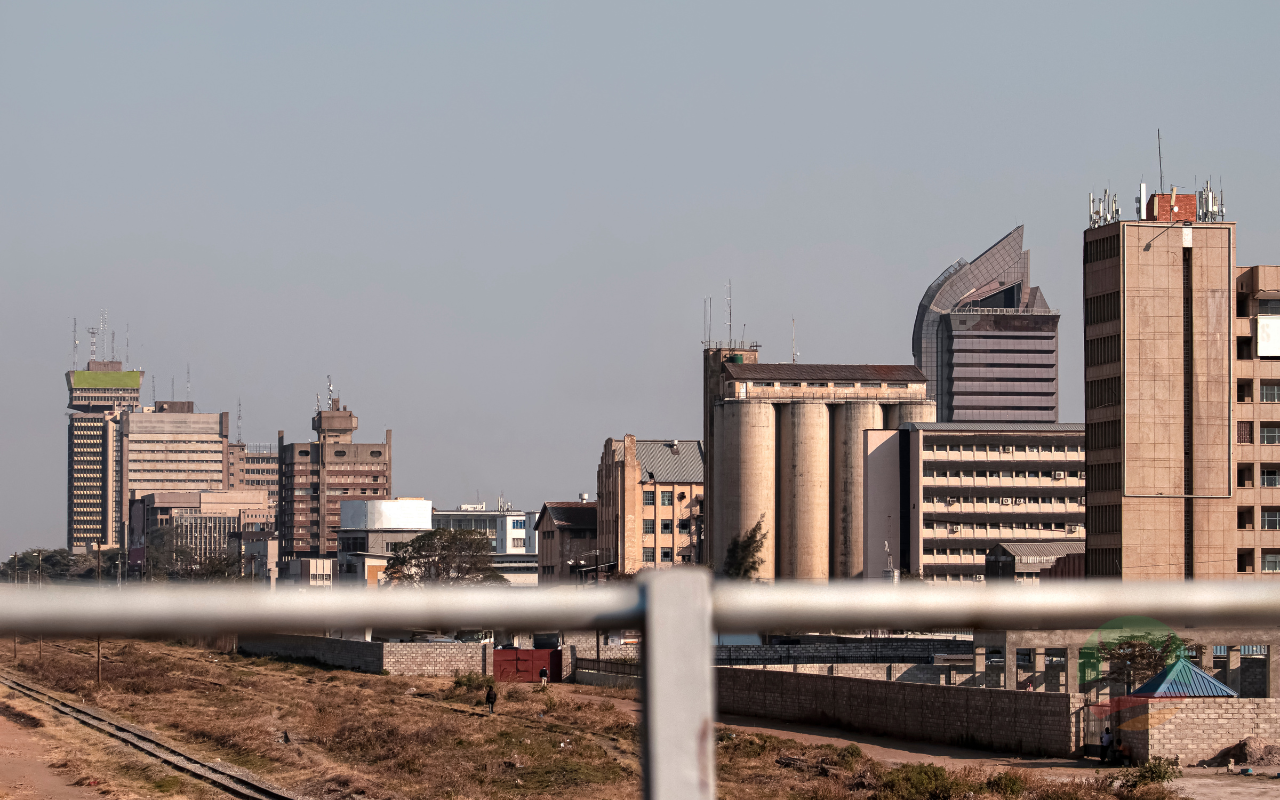
Photo: Wim van 't EindeUnsplashUnsplash License
LUSAKA, 30 JUNE 2026—Updated 8 Jul 2026
LUSAKA — A claim by opposition figure Brian Mundubile that the government is deploying soldiers to intimidate miners is misplaced, the Ministry of Mines and Minerals Development said.
The exchange pulls the army into the campaign. Mining is Zambia's economic backbone, and any suggestion that soldiers are being used to lean on the people who dig the copper, gold and manganese lands hard in mining communities on the Copperbelt and in North-Western Province. The government's rejection of the claim, and the opposition's decision to press it, show how quickly the sector becomes contested ground before a vote.
The dispute in brief: Opposition figure Brian Mundubile alleged the government is using soldiers to intimidate miners. The Ministry of Mines and Minerals Development, through Permanent Secretary Dr Hapenga Kabeta, rejected the claim as misplaced. Zambia votes on 13 August 2026.
Ministry of Mines and Minerals Development Permanent Secretary Dr Hapenga Kabeta said the remarks attributed to Mundubile were misplaced, and that the state's presence around mining areas is about order and safety rather than intimidation. Security deployments at mine sites, the ministry's position runs, exist to curb illegal incursions, protect licensed operations and reduce the accidents that kill informal miners each year.
Mundubile, for his part, framed the deployments as pressure on miners, casting the security presence as a political tool rather than a safety measure. The opposition figure has been campaigning on economic grievances, and the claim slots into a wider argument that ordinary Zambians are not feeling the gains the government reports from the mining recovery.
The friction sits on top of a real policy problem: how to police the boundary between licensed mining and the artisanal and small-scale digging that draws thousands into the pits. Kwacha News has reported on the rights abuses that shadow the scramble for critical minerals across Africa, where security forces and miners collide most often. Zambia's challenge is to formalise small-scale mining without turning every enforcement action into a confrontation.
The claims that government is deploying soldiers to intimidate miners are misplaced. Our interest is in an orderly, safe and formalised mining sector that benefits Zambians.
— Dr Hapenga Kabeta, Permanent Secretary, <a href="https://www.mmmd.gov.zm/">Ministry of Mines and Minerals Development</a>
Why the mines are political
Copper is roughly three-quarters of Zambia's export earnings, and the government has staked its economic record on lifting output back towards a million tonnes a year. That makes the mines both an economic asset and a political prize. Who controls access to the pits, who benefits from the recovery, and how the state behaves around mining towns are questions that move votes in the copper belt regions. The Copperbelt and North-Western Province between them return a large bloc of National Assembly seats, so the mood in the mining towns carries real electoral weight.
The timing sharpens the dispute. With campaigning under way, Mundubile is one of several opposition voices testing the government on bread-and-butter ground, having earlier pushed a pledge on free education. The army claim is part of that contest. It also feeds directly into Kwacha News's politics coverage of how the mining economy shapes the 2026 race.
Background
Zambia has wrestled for years with how to manage artisanal and small-scale mining, which provides livelihoods but also fuels illegal incursions onto licensed concessions and deadly collapses at unregulated sites. Security forces have at times been deployed to mining areas after fatal accidents or clashes over access. The government says the aim is protection and formalisation; critics say heavy-handed deployments criminalise the poorest miners. The balance is hard to strike: with too little oversight, unlicensed pits collapse with miners inside; with too much, the state stands accused of harassing the very people the mining recovery is meant to lift. Successive administrations have promised to license small-scale cooperatives and map safe sites, but enforcement on the ground has lagged the policy on paper.
What to watch
Watch whether the Ministry of Mines and Minerals Development publishes specifics on where and why security has been deployed, and whether Mundubile or other opposition figures produce evidence for the intimidation claim. A formal statement from the defence establishment, or a complaint to a human-rights body, would move the dispute from the campaign trail into the institutions that can test it.
Sources
Ministry of Mines and Minerals Development: official communications and statements. Statements by Brian Mundubile are drawn from his public campaign remarks.
Frequently Asked Questions
These are the questions readers have been asking since the Ministry of Mines and Minerals Development responded to the claim. Short answers follow, drawn from the ministry's statement and the public record on Zambia's mining sector.
What did the Ministry of Mines say?
In short, the Ministry of Mines and Minerals Development rejected the claim. The answer, simply put, is that Permanent Secretary Dr Hapenga Kabeta called the allegation that soldiers are intimidating miners misplaced, and said any security presence is about order and safety. The data on mining accidents is the ministry's stated reason for caring about who is in the pits.
Who is Brian Mundubile?
Brian Mundubile is an opposition figure campaigning ahead of the 13 August 2026 general election. According to his public remarks, he has cast the government's conduct around the mines as political pressure on miners, part of a broader economic critique.
Why does mining security matter in Zambia?
The answer is that mining is the economy. Evidence from the trade data shows copper alone is about three-quarters of export earnings, so control of and conduct around the mines carry outsized political weight. Security that protects licensed operations can also be read as pressure on informal miners, which is the nub of this dispute.
What is artisanal and small-scale mining?
In other words, mining done by individuals and small groups, often without formal licences or safety equipment. Research on the sector shows it provides widespread livelihoods but is prone to fatal collapses and clashes over access to licensed ground, which is why the state intervenes.
What happens next?
The key is evidence. Analysis of the row suggests it stays a campaign-trail argument unless the ministry details its deployments or the opposition documents the intimidation it alleges. Until then, the dispute reveals more about the politics of the mines than about any single incident.
More on Politics

Hichilema wins Zambia's 2026 election for a second term
Zambia's Electoral Commission has declared Hakainde Hichilema president-elect for a second term with about 61 per cent of the vote, over Brian Mundubile's 38 per cent, as the opposition rejects the count.

Press freedom groups urge Zambia to keep the internet on
The Committee to Protect Journalists and the #KeepItOn Coalition urged Zambian authorities and telecoms operators to keep internet access open through the 13 August election, as Amnesty International called for a detained journalist's release.

The burial row that made the Zambian election a contest
Edgar Lungu died in June 2025 and was not buried for more than a year while his family and the Zambian state fought through the South African courts. The dispute shadowed the campaign and, the BBC reported, turned an expected walkover into a contest.
The Kwacha News briefing.
Business, markets and the Zambian economy — in your inbox.