

Zambia drops Lungu burial fight after South Africa ruling
The Supreme Court of Appeal handed the late former president's family the right to bury him privately, and the government says it will not take the matter further.
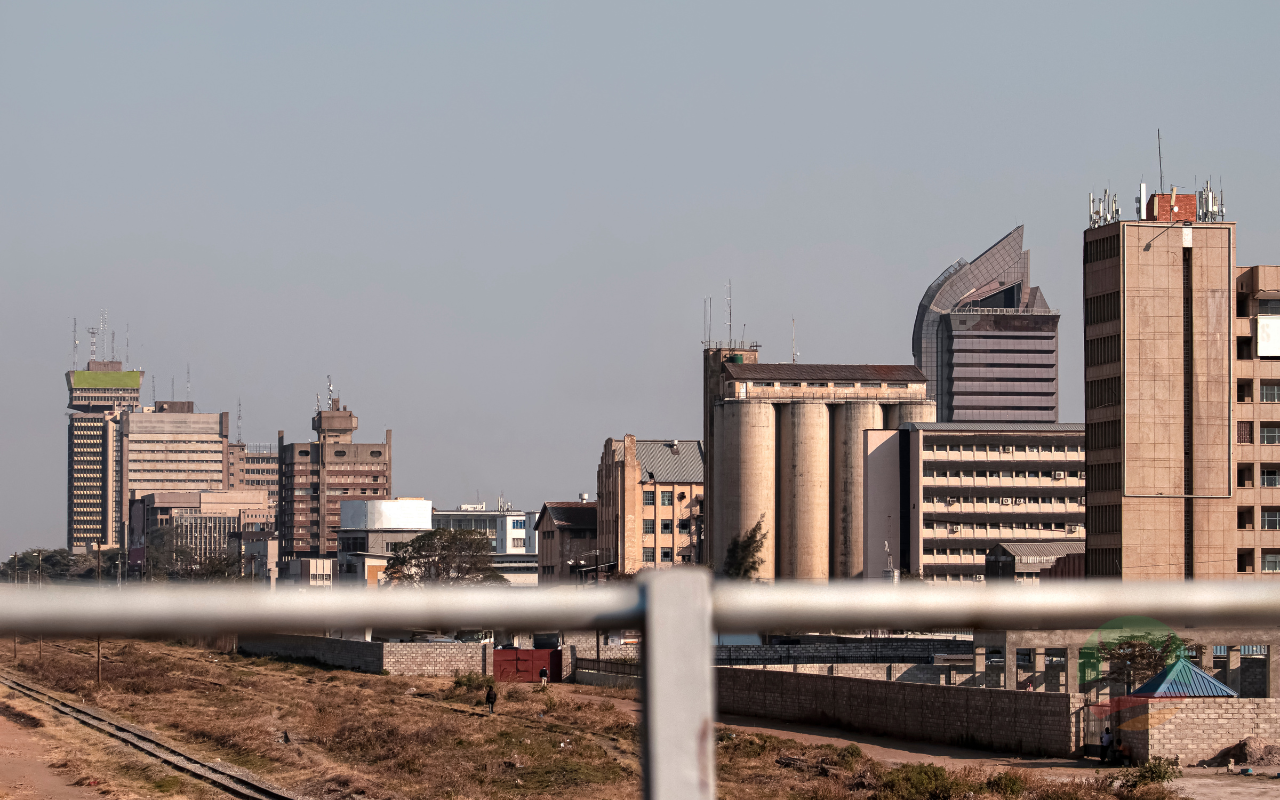
Photo: US Embassy AddisababaWikimedia CommonsPublic domain
LUSAKA, 25 JUNE 2026—Updated 8 Jul 2026
LUSAKA — Zambia's year-long fight to bury former president Edgar Lungu at home is over. The Supreme Court of Appeal of South Africa ruled the decision rests with his family.
The judgment, handed down on Tuesday, ends a standoff that has shadowed Zambian politics since Lungu died in June 2025 and pitched the state against the family of a former head of state in a foreign courtroom. It removes the last legal barrier to a private burial in South Africa, the outcome the family has sought for more than a year, and it lands months before a general election in which the late former president's camp remains a force.
In Esther Lungu and Others v Government of the Republic of Zambia and Others, [2026] ZASCA 87, a five-judge panel upheld the family's appeal with costs and set aside an order of the Gauteng High Court in Pretoria that had let Zambia repatriate the body for a state funeral and burial at Embassy Park, the resting place of the country's former presidents in Lusaka. The government's application was dismissed with costs.
A day after the ruling, the government said that, while it disagreed with the outcome, it "will not take the matter further", a statement that closes the dispute. The decision means Lungu's remains, which have lain in a Johannesburg mortuary since his death, will not be flown home for the state funeral his successor's administration had pressed for.
What the court decided
The majority judgment, written by Keightley JA with Smith JA and acting judges Molitsoane and Mooki concurring, turned on two questions: whose law applied, and whether the family was bound by any agreement to allow a state funeral. The court found that South African law governed the matter because Lungu died in South Africa, the remains are held there, and the relevant negotiations took place there.
On the central point, the court held that under both the common law and the South African Constitution, the decision on how and where to bury a person falls to the next of kin. The government had argued that Zambian custom and protocol gave it the final say over a former president's burial, but the judgment found there was no admissible expert evidence proving what that law required. A party relying on foreign law, the court said, must prove its content as a matter of fact through an independent expert, and the government's own attorney-general could not serve as the expert in its own case.
The very ritual intended to bring closure has, instead, pitted family against the state in a hard-fought legal dispute far from the protagonists' home.
— Keightley JA, <a href="https://www.saflii.org/za/cases/ZASCA/2026/87.html">Supreme Court of Appeal judgment, 23 June 2026</a>
The court also rejected the government's claim that the family had struck a binding deal to permit a state funeral. The High Court had treated a proposed programme drawn up by the family, known in the papers as FAA7, as a contract. The appeal judges found that document was a proposal, not an agreement, and that negotiations continued after it was tabled. There was no clear evidence, the majority held, that the family ever renounced its central condition: that President Hakainde Hichilema play no part in the funeral.
At a glance: The Supreme Court of Appeal upheld the family's appeal in case 089/2026, [2026] ZASCA 87, delivered on 23 June 2026. Seven appellants, led by Esther Lungu and including the family's spokesperson, lawyer Makebi Zulu, won with costs. The first respondent was the Government of the Republic of Zambia. The appeal was heard on 29 May 2026; the decision was by a majority of four judges to one.
How the dispute began
Edgar Lungu was Zambia's sixth president, in office from January 2015 until August 2021, when his Patriotic Front lost the general election to Hichilema's United Party for National Development. He came to South Africa for medical treatment in January 2025 and was diagnosed with terminal cancer of the oesophagus. He died on 5 June 2025 at the age of 68, the court record shows, never having returned home.
The family told the court that during his final months Lungu repeatedly said he did not want the Zambian government, and Hichilema in particular, near his body or his funeral. The judgment links that wish to a sequence of undisputed incidents in 2023: Lungu was removed from a flight to a peace summit in South Korea, barred from a church service, and refused permission to travel abroad for medical care. In October 2023 the government also stripped him of the pension and benefits of a former president after he returned to active politics.
After his death, meetings between government delegations and the family failed to settle the terms of a funeral. On 23 June 2025 the family announced it would arrange a private burial in South Africa. The government went to the High Court in Pretoria, which ruled in its favour in August 2025 and refused leave to appeal the following month.
The Supreme Court of Appeal granted the family leave in December 2025 and heard argument in May. This is not the first time the courts have weighed in; an earlier hearing saw judgment reserved before this week's outcome reversed the High Court entirely. Kwacha News has tracked the dispute through the government's earlier call for full military honours at a state funeral for Lungu.
A dissent, and a clash of values
The ruling was not unanimous. Norman JA dissented, arguing that the South African principle of ubuntu and the Zambian creed of "One Zambia, One Nation" favoured allowing the state to bring the former president home and mourn him as a nation. The majority took the opposite view of the same principle, holding that ubuntu supported respecting Lungu's own wishes rather than overriding them, because the case set a grieving family against the power of a state rather than relatives against one another.
The judgment leaned on the family's evidence, including a confirmatory affidavit from a Zambian researcher, Dr Sishuwa Sishuwa, who said Lungu had voiced his burial wishes in an interview shortly before his death. Speaking to South African broadcaster 702 after the ruling, Dr Sishuwa said the government "didn't have a leg to stand on" in law, adding that "there's no statute in Zambia that gives the government the final say on the body of a former president."
Differences between politicians can extend to the afterlife.
— Dr Sishuwa Sishuwa, historian, <a href="https://www.ewn.co.za/2026/06/24/what-edgar-lungus-burial-dispute-revealed-about-power-and-legacy">interview with 702, 24 June 2026</a>
What it means for Zambia
The end of the burial fight removes a recurring source of friction from an already charged election year. Zambians go to the polls for a general election on 13 August 2026, and the Patriotic Front, the party Lungu led, remains a significant bloc within the opposition. A drawn-out courtroom battle over his remains kept the estrangement between his camp and the governing party in public view; its resolution at least settles where, and how, the former president will be laid to rest.
The case also tested the reach of Zambian state authority beyond its borders and the limits of custom as a legal argument. By insisting that foreign law be proved by evidence rather than asserted, the South African court drew a clear line: a government cannot claim a right over a citizen's body on the strength of protocol alone. For a country heading into a vote, the ruling is a reminder that courts, at home and abroad, have repeatedly checked executive power. The Constitutional Court in Lusaka has done the same this year, from clearing the president's path to the ballot to its decisions on residency, set out in our courts coverage.
For the Lungu family, the practical question now is the funeral itself, which the ruling places squarely in their hands. For the government, the choice to drop the fight rather than appeal draws a line under a dispute that, in the words of the court, played out far from the protagonists' home. The decision sits alongside other recent rulings that have shaped the run-up to the vote, including the Constitutional Court's move to clear President Hichilema to stand in August.
Frequently Asked Questions
What is the Supreme Court of Appeal's decision on Edgar Lungu's burial?
In short, the court upheld the family's appeal and set aside a High Court order that had let the Zambian government repatriate the body for a state funeral. According to the judgment, the right to decide on the burial of the late former president rests with his family under the common law and the South African Constitution.
Will the Zambian government appeal the ruling?
The answer is no. The government said that, while it disagrees with the decision, it will not take the matter further. That statement, made a day after the ruling, effectively ends the year-long legal dispute.
Why is the case being heard in a South African court at all?
Simply put, Edgar Lungu died in South Africa in June 2025 and his remains have stayed there. The evidence shows the dispute over how and where to bury him played out before South African courts because that is where the body lies and where the negotiations between the family and the government took place.
What are the next steps for the body now?
In other words, the legal barrier to a private burial has fallen. The family has said it wants to bury Edgar Lungu privately in South Africa, and the ruling leaves that decision with them. Data on the timing of the funeral had not been made public when the government confirmed it would not appeal.
Why does the case matter for Zambia's 2026 election year?
The key is timing. Analysis of the dispute reveals it deepened the rift between the late former president's camp and President Hakainde Hichilema's government, a tension that runs into the campaign for the 13 August general election. Research and reporting on the proceedings found the estrangement between the two men reached back nearly a decade.
Sources
This report draws on the Supreme Court of Appeal of South Africa judgment in Esther Lungu and Others v Government of the Republic of Zambia and Others, [2026] ZASCA 87, 23 June 2026; BBC News reporting on the appeal ruling, 23 June 2026; and Eyewitness News analysis and interview on the dispute, 24 June 2026.
More on Courts

Trader convicted in Lusaka for failing to use Smart Invoice
The Zambia Revenue Authority says a Lusaka Subordinate Court convicted Suhel Moosa, trading as Mobile Monster, for failing to record sales on Smart Invoice, its electronic invoicing system.

Chief Justice Malila: courts ready for poll disputes
Chief Justice Mumba Malila says Zambia's judiciary will decide disputes from the 13 August general election without fear or favour, and inside the statutory 90-day window.
The Kwacha News briefing.
Business, markets and the Zambian economy — in your inbox.

