

Ethiopia's ruling party wins 438 of 501 seats in marred vote
Abiy Ahmed's Prosperity Party took 438 of 501 seats in a vote the electoral board admits was hit by insecurity and the exclusion of Tigray — a study in incumbent dominance for Zambian voters weighing 13 August.
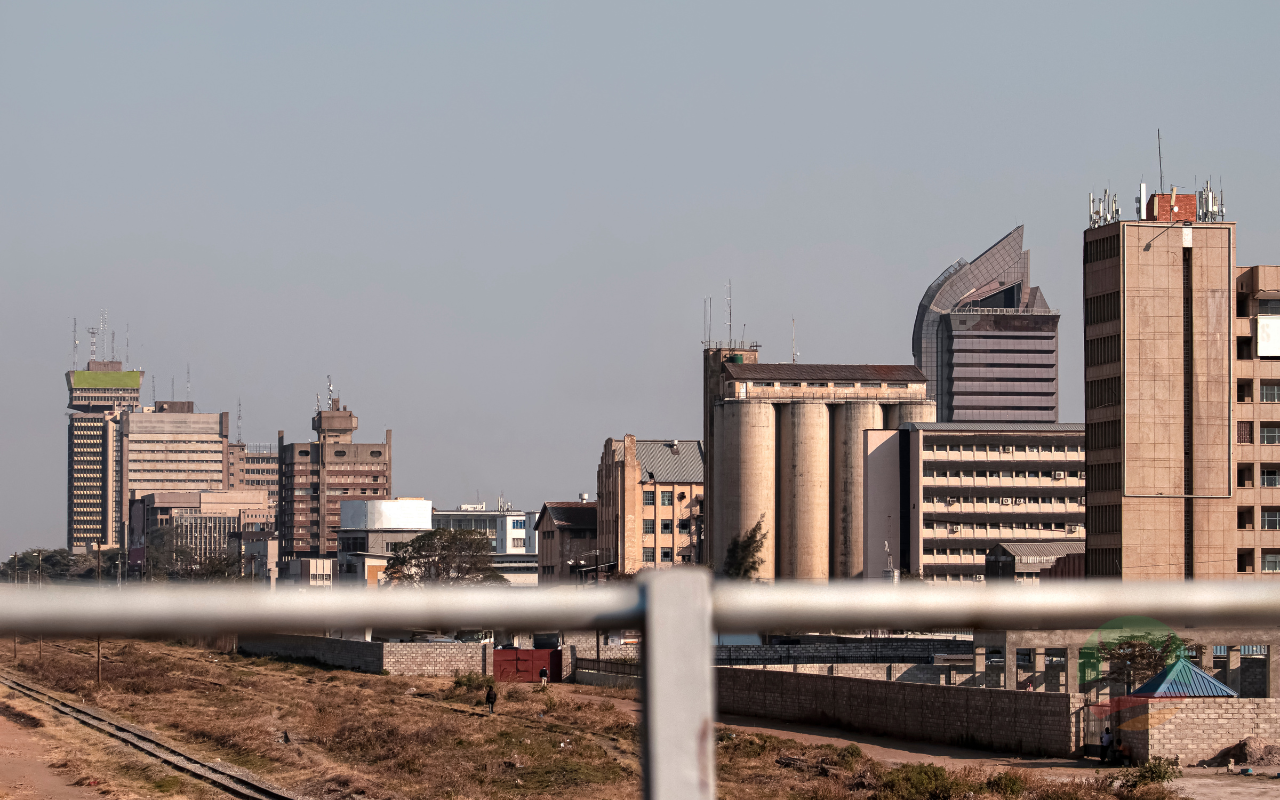
Photo: TST CANADAWikimedia CommonsCC0
LUSAKA, 22 JUNE 2026—Updated 8 Jul 2026
LUSAKA — Ethiopia’s ruling Prosperity Party is the clear winner of the 1 June election, taking 438 of 501 parliamentary seats in a vote scarred by insecurity and the exclusion of Tigray.
The result hands Prime Minister Abiy Ahmed a path to a fresh five-year term and a near-total grip on the House of Representatives, the kind of margin that turns a parliament into a rubber stamp. For readers tracking Africa and the world, it is a live case study in how incumbents convert state machinery into landslides — a question Zambian voters will themselves confront at the ballot box on 13 August.
The National Election Board of Ethiopia said Prosperity Party candidates won 438 of the 501 seats in the House of Representatives, roughly 90 percent of those declared, according to Al Jazeera. The scale of the win leaves the opposition with a sliver of the chamber and Abiy with the votes to govern unchecked. A governing party holding more than four in every five seats can amend laws, pass budgets and confirm appointments without needing a single vote from across the aisle.
The election was held on 1 June 2026, with the board announcing final results on 21 June and reporting turnout of 94 percent, the Associated Press reported. A turnout that high, paired with so lopsided a seat count, is the signature of a contest in which the governing party faced little organised challenge.
That pattern of dominant incumbency is familiar across the continent. Kwacha News has tracked how power concentrates and is contested elsewhere in Africa, from the impeachment inquiry testing President Cyril Ramaphosa in South Africa to the long arc of liberation politics that still shapes the region.
The vote was also marred by violence. Insecurity in the Oromia and Amhara regions meant 143 polling stations failed to open, the election board said, with fighting involving the Fano armed group in Amhara and Oromo Liberation Army rebels in Oromia. The shuttered stations denied an unknown number of citizens a ballot in areas already worn down by conflict, and the board itself acknowledged the disruption when it released the results.
The exclusion of Tigray cut deeper still. The northern region, where the war between federal forces and regional groups killed hundreds of thousands, was again left out of the vote, denying it a voice in parliament, as Al Jazeera’s coverage of Ethiopia notes. A House elected without Tigray represents a country that, on paper, no longer fully includes one of its largest regions.
The numbers in brief: 438 of 501 seats to the Prosperity Party (about 90 percent of those declared); a reported 94 percent turnout; 143 polling stations that never opened in Oromia and Amhara; and the Tigray region excluded entirely. The election was held on 1 June 2026 and final results were announced on 21 June.
Snapshot: Ethiopia’s National Election Board says Prime Minister Abiy Ahmed’s Prosperity Party won 438 of 501 House of Representatives seats in the 1 June 2026 election. Insecurity shut 143 polling stations in Oromia and Amhara, and war-scarred Tigray was again excluded. The new parliament is expected to convene in October to re-elect Abiy for a further five-year term.
Background
Prosperity Party candidates campaigned on the government’s economic record and on improving food security in a country that has lived through several famines, the Associated Press reported. The pitch leaned on stability and bread-and-butter delivery rather than on a contest of competing programmes, framing the ballot as a vote of confidence in the incumbent rather than a referendum on it.
Ethiopia is Africa’s second most populous nation, and its House of Representatives is the lower chamber that ultimately selects the prime minister. A party that controls 438 of its 501 seats therefore controls who leads the government — which is why the seat count, rather than any separate presidential race, settles the question of who holds power for the next five years.
Abiy came to office in 2018 promising reform and won the Nobel Peace Prize a year later, before a devastating war in the north redrew the country’s politics. The 2026 vote, held without Tigray and under the shadow of insurgencies in two other regions, measures how much of that early opening survives — and how far the machinery of a single dominant party now reaches into a country still healing from conflict.
What to watch
The next decision point is October, when the new parliament is expected to convene to re-elect Abiy Ahmed for another five-year term, the Associated Press reported. With 438 of 501 seats in hand, the outcome of that vote is not in serious doubt; the real signal will be whether the governing party uses its supermajority to open the system or to seal it.
Watch, too, for whether Tigray is brought back into the national fold and whether the insurgencies in Oromia and Amhara that shut 143 polling stations ease or harden. The credibility of the next parliament rests less on the seat count than on whether the parts of Ethiopia left out of this vote are given a way back in. The continent’s longer story of self-rule, traced in our look at what liberation looks like from a Zambian vantage, is the frame through which many on the continent will read the result.
For Zambia, the lesson is closer to home than the distance to Addis Ababa suggests. When Zambians vote on 13 August, the contrast on offer is precisely the one Ethiopia’s ballot throws into relief: whether a poll produces a competitive parliament or a near-total majority for one party. A landslide of 438 to 63 leaves little room for the opposition scrutiny that holds a government to account on spending, debt and the cost of living — the everyday concerns that decide whether the kwacha in a household’s pocket goes further or less far.
Zambian businesses and households reading the Ethiopian result will note that high turnout and a clean count are not, on their own, a guarantee of pluralism; a vote can be busy and still leave large regions and rival parties without a seat at the table. The value of a contested ballot, for the firm planning its next year and the family budgeting for the next month, is the check it places on whoever wins — and that check is exactly what a 90 percent seat sweep removes.
Frequently Asked Questions
These are the questions readers are asking about Ethiopia’s 2026 parliamentary election. Short answers follow, drawn from the National Election Board’s figures and reporting on the vote.
Who won Ethiopia’s 2026 parliamentary election?
In short, Prime Minister Abiy Ahmed’s Prosperity Party won. According to the National Election Board of Ethiopia, the party took 438 of the 501 House of Representatives seats, about 90 percent of those declared — data that points to a near-total parliamentary majority.
When was the election held and what was the turnout?
Simply put, the vote was held on 1 June 2026, and the election board announced final results on 21 June. Reporting shows turnout of 94 percent, a figure the board released alongside the seat totals.
Why was the Ethiopian election described as marred?
The answer is twofold. Evidence cited by the election board shows insecurity in the Oromia and Amhara regions left 143 polling stations unopened, with fighting involving the Fano group and the Oromo Liberation Army; analysis of the result also notes that the war-scarred Tigray region was excluded entirely.
What happens next for Abiy Ahmed?
In other words, the seat haul clears his path to stay in office. According to reporting on the result, the new parliament is expected to convene in October to re-elect Abiy Ahmed for a further five-year term.
Why does Ethiopia’s election matter for Zambia?
The key is incumbency. Research and reporting on African contests reveal how a governing party can convert state resources and a fractured opposition into landslide majorities; with Zambia heading to the polls on 13 August, the evidence from Addis Ababa is a useful yardstick for what a dominant-incumbent result looks like.
Sources
Reporting and figures in this article draw on Al Jazeera’s report on the Prosperity Party’s win, the Associated Press wire on the result and the insecurity that marred it, the Associated Press account of the parliamentary majority, the Associated Press report on the campaign and results, and Al Jazeera’s Ethiopia country coverage.
More on Africa/World

TAZARA at 50: Zambia weighs two routes to the sea
As TAZARA turns 50, landlocked Zambia is weighing two rival routes for its copper: east to the Indian Ocean via a rebuilt TAZARA, or west to the Atlantic via the Lobito Corridor.

African leaders back trade insurer ATIDI after record year
African leaders endorsed ATIDI — the pan-African insurer Zambia belongs to — as a cornerstone of a new African-led financial architecture, as the body marked 25 years with record 2025 results and a call to recapitalise it to US$2 billion.
The Kwacha News briefing.
Business, markets and the Zambian economy — in your inbox.
