

Ebola vaccines race to trial as DRC outbreak spreads
IAVI, Moderna, and Oxford are developing candidates for the rare Bundibugyo strain, but production could take years as the virus spreads to Uganda
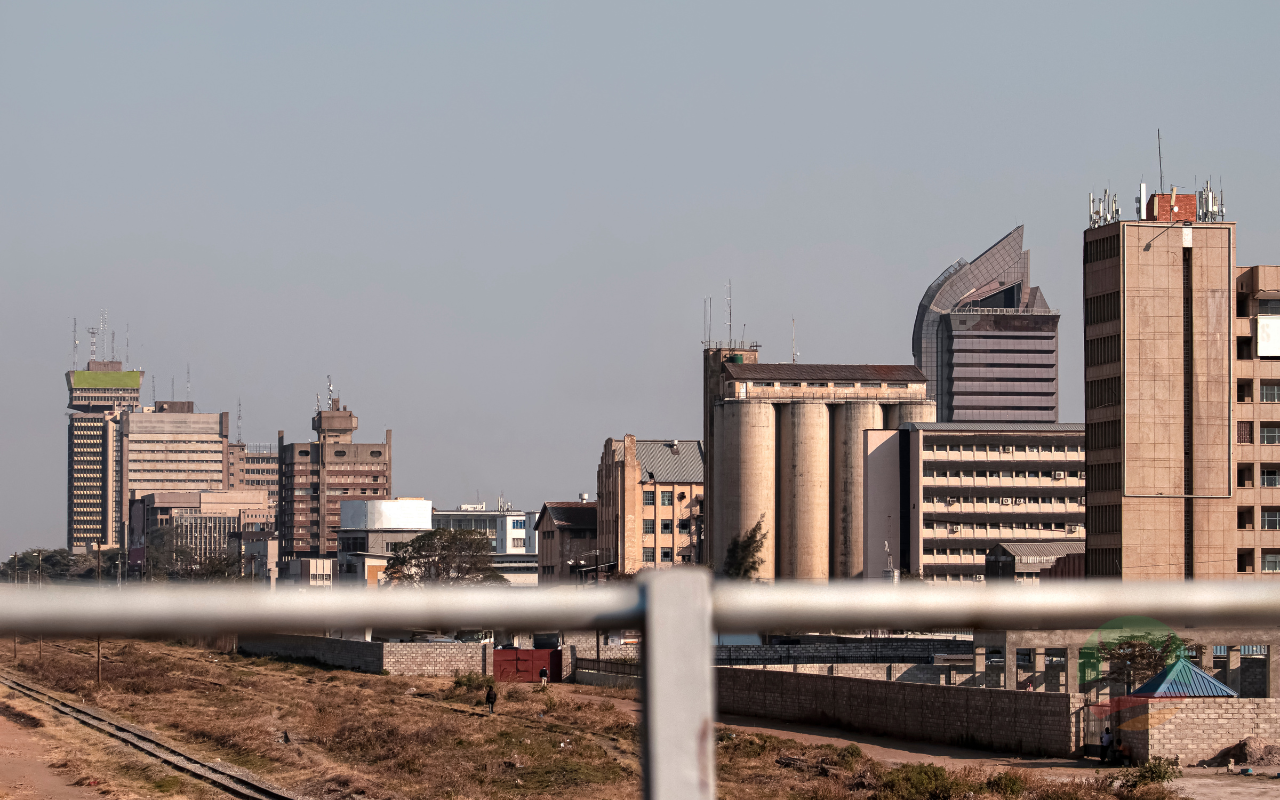
Photo: Julia Koblitz / UnsplashUnsplashUnsplash License
LUSAKA, 4 JUNE 2026—Updated 8 Jul 2026
LUSAKA — Three Ebola vaccine candidates are in development for the rare Bundibugyo strain, which represents the first cross-border spillover from the DRC outbreak into Uganda.
As of 2 June, the DRC has reported 321 confirmed cases, 116 suspected cases, and 48 deaths, with the epicentre in Ituri province. Uganda has recorded 15 confirmed cases — including in the capital Kampala — and at least one death. The spread to a second country and the absence of an approved vaccine for the Bundibugyo strain have prompted the World Health Organisation (WHO) and the Coalition for Epidemic Preparedness Innovations (CEPI) to fast-track three candidates, though production after approval could still take months to years.
The three candidates
The International AIDS Vaccine Initiative (IAVI) is developing a candidate that uses a naturally weakened animal virus to deliver Ebola antigens, backed by $3.2 million in funding. Moderna is adapting its mRNA platform — the same technology behind its Covid-19 vaccine — with $50 million in dedicated funding. The University of Oxford is using a modified chimpanzee cold virus, the same delivery mechanism as its Oxford/AstraZeneca Covid-19 vaccine, with $8.6 million in backing. All three have named the Serum Institute of India as manufacturing partner.
This is only the third time in history that there's an outbreak with the Bundibugyo virus.
— Trish Newport, Médecins Sans Frontières, via <a href="https://www.aljazeera.com/news/2026/6/4/what-are-the-ebola-vaccines-under-research-and-when-will-they-be-ready">Al Jazeera, 4 June 2026</a>
CEPI, which coordinates global epidemic vaccine development, said initial research and testing "could require years" and that production after regulatory approval would need "several months" more. No specific trial start dates have been announced. The timeline underscores the gap between the speed of the outbreak — which has doubled in confirmed cases since April — and the pace of vaccine development, even with fast-track protocols.
Ebola outbreak snapshot (as of 2 June 2026): • DRC: 321 confirmed, 116 suspected, 48 deaths • Uganda: 15 confirmed, at least 1 death (including in Kampala) • Strain: Bundibugyo — only the 3rd recorded outbreak of this variant • Vaccines: 3 candidates (IAVI $3.2m, Moderna $50m, Oxford $8.6m) • Manufacturing: Serum Institute of India for all three • No approved Bundibugyo-specific vaccine exists
Zambia's border watch
Zambia shares a long northern border with the DRC and operates screening points at Kasumbalesa and Chembe on the Copperbelt. As Kwacha News reported in May, the WHO logged 906 suspected Ebola cases in the DRC near the Zambia border, prompting the Ministry of Health to activate surveillance protocols at entry points. The spread to Uganda — a country that does not border the DRC's Ituri epicentre directly but received cases via internal migration — demonstrates that geographic distance from the epicentre is not a reliable buffer.
Zambia's public-health system has recent experience managing infectious-disease outbreaks. A cholera outbreak that held in the country's north for more than a year tested the surveillance and response infrastructure that would be activated if Ebola cases were confirmed on Zambian soil. The Ministry of Health has not publicly disclosed the number of thermal screening stations currently active at Copperbelt border posts.
Background
The Bundibugyo ebolavirus was first identified during an outbreak in western Uganda in 2007. Unlike the more common Zaire strain — for which Merck's Ervebo vaccine is approved and has been deployed in DRC outbreaks since 2018 — the Bundibugyo variant has no approved vaccine or specific therapeutic. Existing Zaire-targeted vaccines are not expected to provide cross-protection. The rarity of Bundibugyo outbreaks — only three in recorded history — has meant limited commercial incentive for vaccine development until now. The current DRC outbreak has changed the calculus, with CEPI mobilising $61.8 million in combined funding across the three candidates.
What to watch
The next decision point is whether any of the three candidates enters emergency clinical trials in the DRC or Uganda — a step that would require both WHO emergency-use authorisation and consent from national regulatory authorities. The geographic spread to Kampala means the outbreak is no longer contained to a rural province; urban transmission would accelerate case counts and pressure vaccine developers to compress timelines. For Zambia, the critical indicator is whether confirmed cases appear in Haut-Katanga province, which borders the Copperbelt. Follow Kwacha News's health coverage for updates on the outbreak and Zambia's border response.
Sources
Al Jazeera: Ebola vaccines under research, 4 June 2026. World Health Organisation: DRC Ebola situation reports. CEPI: Coalition for Epidemic Preparedness Innovations, vaccine pipeline. IAVI: International AIDS Vaccine Initiative. Moderna: mRNA vaccine platform.
Frequently Asked Questions
These are the questions readers have been asking about Ebola vaccines and the DRC outbreak. Short answers follow, drawn from CEPI data and the Al Jazeera report.
What is the Bundibugyo ebolavirus?
In short, the Bundibugyo ebolavirus is one of six known Ebola species, first identified in Uganda in 2007. Simply put, the current DRC outbreak is only the third recorded Bundibugyo outbreak in history. The key is that no approved vaccine or therapeutic exists for this strain — the Merck Ervebo vaccine targets only the Zaire strain.
How close are the vaccines to approval?
CEPI stated that initial research and testing "could require years" and production after approval needs "several months." Research from previous Ebola vaccine development shows the Ervebo vaccine took five years from Phase I trials to WHO prequalification. Data from the current fast-track effort suggests compressed timelines, but no trial start dates have been announced.
Why does this matter for Zambia?
Zambia shares a northern border with the DRC and operates screening points at Kasumbalesa and Chembe. According to WHO surveillance data, 906 suspected Ebola cases were logged near the Zambia border as of May 2026. The answer is that the outbreak's spread to Uganda proves geographic distance is not a reliable buffer — Haut-Katanga province, which borders the Copperbelt, is the critical watch zone.
Who is manufacturing the vaccines?
All three candidates name the Serum Institute of India as manufacturing partner. In other words, the production capacity for a Bundibugyo vaccine depends on a single facility — the same one that produced billions of Covid-19 doses. Evidence from the Covid-19 rollout shows the Serum Institute can scale quickly but faces competing demand from other vaccine programmes.
What are the real risks of vaccine delay?
Analysis of the outbreak trajectory demonstrates three risks: unchecked spread beyond the DRC and Uganda to a third country, exponential case growth in urban settings like Kampala, and loss of the containment window during which ring vaccination could have worked. Evidence from the 2014–2016 West African Ebola crisis reveals that delayed vaccine deployment cost thousands of lives.
More on Health

Ebola deaths pass 2,000 as WHO warns of deadliest outbreak
More than 2,000 people have died since the Ebola outbreak was declared on 15 May, and the WHO says it is on track to be the deadliest on record. Zambia's exposure runs through its northern border.

Zambia restarts radiotherapy after five years offline
Radiotherapy has resumed at Lusaka's Cancer Diseases Hospital after a US$31 million upgrade funded entirely from domestic resources, ending a five-year gap in advanced cancer treatment.
The Kwacha News briefing.
Business, markets and the Zambian economy — in your inbox.

