

Africa CDC steps up Ebola border screening near Zambia
After an imported Bundibugyo case in France, the continental health body reinforces cross-border surveillance as DR Congo's outbreak passes 1,000 cases.
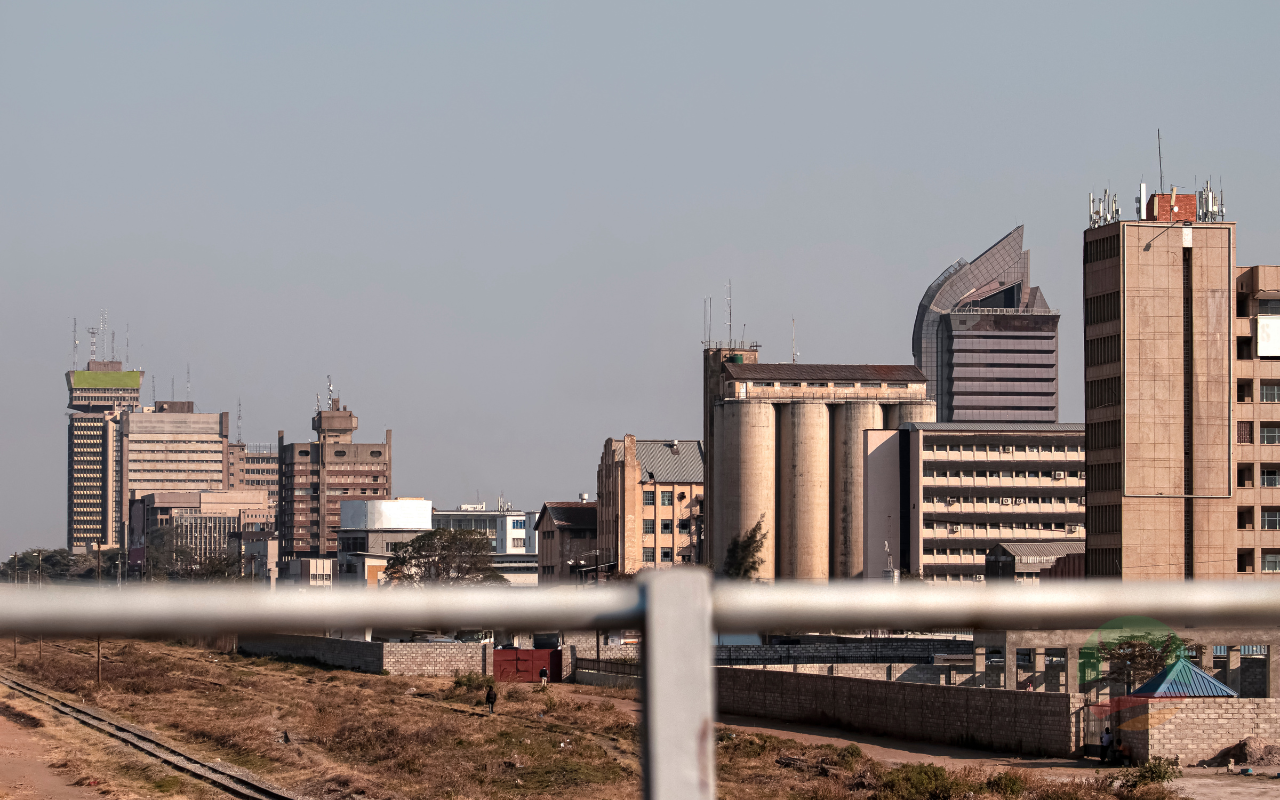
Photo: Random InstituteUnsplashUnsplash License
LUSAKA, 25 JUNE 2026—Updated 25 Jun 2026
LUSAKA — A continental drive to screen travellers for Ebola near Zambia means the Africa CDC is reinforcing cross-border surveillance after an imported Bundibugyo case was confirmed in France.
The Africa Centres for Disease Control and Prevention issued the call from Addis Ababa on 24 June, as the outbreak in the Democratic Republic of the Congo passed 1,048 confirmed cases and 267 deaths. For Zambia, which shares a long, busy frontier with DR Congo, a fast-moving emergency next door and a continental push for entry and exit screening land as a direct public-health concern.
What Africa CDC announced
Africa CDC said the health authorities of France and DR Congo had notified the agency of a confirmed case caused by the Bundibugyo virus. A humanitarian health worker who supported the Ebola response in Ituri Province from 19 May to 19 June left DR Congo in good health, travelled to France, then developed mild symptoms and sought care.
The risk of Ebola transmission begins only after symptoms appear. The health worker left DR Congo symptom-free and met every travel requirement in force at the time, the agency said. The Government of DR Congo has put in place strengthened surveillance, entry and exit screening, and border health measures at key points of entry and departure, airports in affected areas, and major transit hubs.
This case illustrates the importance of strong surveillance. The health worker left the Democratic Republic of the Congo without symptoms, and the Government of the DRC has put in place strengthened surveillance, entry and exit screening, and border health measures as part of the Ebola response.
— Dr Jean Kaseya, Director General of Africa CDC, <a href="https://africacdc.org/news-item/africa-cdc-calls-for-solidarity-and-stronger-collaboration-following-imported-ebola-case-in-france-and-reinforces-cross-border-surveillance/">statement, 24 June 2026</a>
Dr Jean Kaseya said the overall risk level of the outbreak remained unchanged. The Africa CDC director general thanked the doctor who served on the frontline in Ituri, adding that health workers were carrying the heaviest burden in the emergency. Kaseya urged partners across the world to mobilise and contribute to ending the outbreak at its source.
The numbers behind the outbreak
DR Congo reported 1,048 confirmed cases and 267 confirmed deaths on 21 June, figures the BBC attributed to the Congolese health ministry. The death toll includes five health workers. The same report logged 112 recoveries, among them four nurses discharged at a special ceremony in Bunia.
Key numbers: 1,048 confirmed cases and 267 deaths in DR Congo as of 21 June. About 20 cases and two deaths in Uganda. The outbreak was declared on 15 May. Testing capacity has risen to roughly 2,000 samples a day, up from 30 at the start.
The episode has reached the highest first-month total of any Ebola outbreak, the World Health Organization said. Reuters reported that the virus had been circulating for months before it was officially declared on 15 May, and that about 20 cases and two deaths had been confirmed in neighbouring Uganda.
Despite the good progress we have made, we still face major challenges, and the outbreak is continuing to outpace the response.
— Tedros Adhanom Ghebreyesus, WHO Director-General, <a href="https://www.reuters.com/business/healthcare-pharmaceuticals/ebola-outbreak-is-still-outpacing-response-whos-tedros-says-2026-06-24/">press conference, 24 June 2026</a>
Why this strain is so hard to fight
The outbreak is the rare Bundibugyo species, named after a district in Uganda and seen only twice before, in 2007 and 2012. There is no approved vaccine and no drug that targets the strain, which makes both prevention and treatment harder. Experimental vaccines are in development, and a vaccine for the Zaire species may offer some protection.
Geography compounds the danger. The epicentre in Ituri province is a conflict zone, with about a quarter of a million people displaced and frequent movement across porous borders. Contact tracing is complicated because the worst-hit area is a gold-mining district where young men arrive from across the country, work, then return home, the WHO said. Kwacha News has tracked the spread of the DR Congo outbreak toward the Zambian border as case numbers have climbed.
Distrust on the ground has slowed the work. Reuters reported that local people resented being unable to bury relatives in line with tradition, and that some believed Ebola to be a hoax. Earlier Kwacha News reporting examined how recoveries in DR Congo were accompanied by false hoax claims online, a pattern that public-health teams say frustrates the response.
What it means for Zambia
Africa CDC has named Zambia among the countries at risk from the outbreak, alongside Angola, Burundi, the Central African Republic, Ethiopia, Kenya, Rwanda, South Sudan and Tanzania. Zambia shares one of the longest borders with DR Congo, with heavy daily traffic at Kasumbalesa on the Copperbelt and crossings at Chiengi and Nchelenge in Luapula.
That exposure is why a continental call for entry and exit screening carries weight in Lusaka. The trade route through the Copperbelt is a lifeline for copper exports and for the goods that move north and south each day, so any disruption at the frontier ripples through commerce and household supply alike. The disease burden on Zambian households is already heavy: cholera cases in the country had doubled in the same period, as Kwacha News reported.
Other neighbours of DR Congo have moved further than screening. The BBC reported that Rwanda had closed its borders with DR Congo, while Uganda had suspended cross-border flights, buses and public transport. Several African countries are tightening border checks and bolstering health facilities. Readers can follow the wider story through our health coverage as the situation develops.
What to watch
The immediate questions are whether case numbers in DR Congo keep accelerating and whether the imported case in France produces secondary infections; contact tracing there is under way. Africa CDC said it would keep monitoring the situation and share verified updates. The agency also warned against blanket travel and trade curbs, arguing that the right response is vigilance, solidarity and stronger support for frontline teams rather than border closures that slow the flow of supplies.
Frequently Asked Questions
What did Africa CDC announce about Ebola border screening?
According to the agency's 24 June statement, Africa CDC reinforced cross-border surveillance after an imported Bundibugyo Ebola case was confirmed in France. The agency said DR Congo has put in place strengthened surveillance plus entry and exit screening and border health measures, and that the overall outbreak risk level remains unchanged.
How many Ebola cases and deaths has DR Congo reported?
In short, the figures are large. DR Congo reported 1,048 confirmed cases and 267 confirmed deaths on 21 June 2026, data the BBC attributed to the Congolese health ministry. The outbreak was declared on 15 May and, according to the World Health Organization, has the highest first-month total of any Ebola episode on record.
Why is the Bundibugyo strain of Ebola so hard to fight?
The answer is that there is no approved vaccine and no targeted treatment for the Bundibugyo species. Research cited by the BBC shows the strain killed about a third of those infected in an earlier study, and the epicentre in Ituri province is a conflict zone where roughly a quarter of a million people have been displaced.
Is Zambia at risk from the DR Congo Ebola outbreak?
Simply put, Africa CDC lists Zambia among the countries at risk, alongside Angola, Burundi, the Central African Republic, Ethiopia, Kenya, Rwanda, South Sudan and Tanzania. Zambia shares a long border with DR Congo at crossings such as Kasumbalesa, Chiengi and Nchelenge, which is why a continental call for entry and exit screening matters for the country.
What does Africa CDC say about travel and trade restrictions?
Africa CDC urged partners to reject measures unsupported by science, including unnecessary restrictions on travel and trade. The agency said such measures slow the deployment of response teams and the delivery of supplies, evidence from past outbreaks that shaped the guidance it issued on 24 June.
Sources
More on Health

Ebola deaths pass 2,000 as WHO warns of deadliest outbreak
More than 2,000 people have died since the Ebola outbreak was declared on 15 May, and the WHO says it is on track to be the deadliest on record. Zambia's exposure runs through its northern border.

Zambia restarts radiotherapy after five years offline
Radiotherapy has resumed at Lusaka's Cancer Diseases Hospital after a US$31 million upgrade funded entirely from domestic resources, ending a five-year gap in advanced cancer treatment.

Zambia requires validation before new TB testing rollout
Zambia's tuberculosis laboratories are validating new diagnostic devices, including the swab-based MiniDock, before wider rollout, health officials say, as GeneXpert costs and thin facility coverage strain the testing programme.
The Kwacha News briefing.
Business, markets and the Zambian economy — in your inbox.