

Cuba approves sweeping market reforms under US pressure
Cuba’s legislature has opened the door to private banks, foreign property buyers and bigger private firms — the island’s deepest economic break with its socialist model in decades, forced on by a punishing US sanctions squeeze.
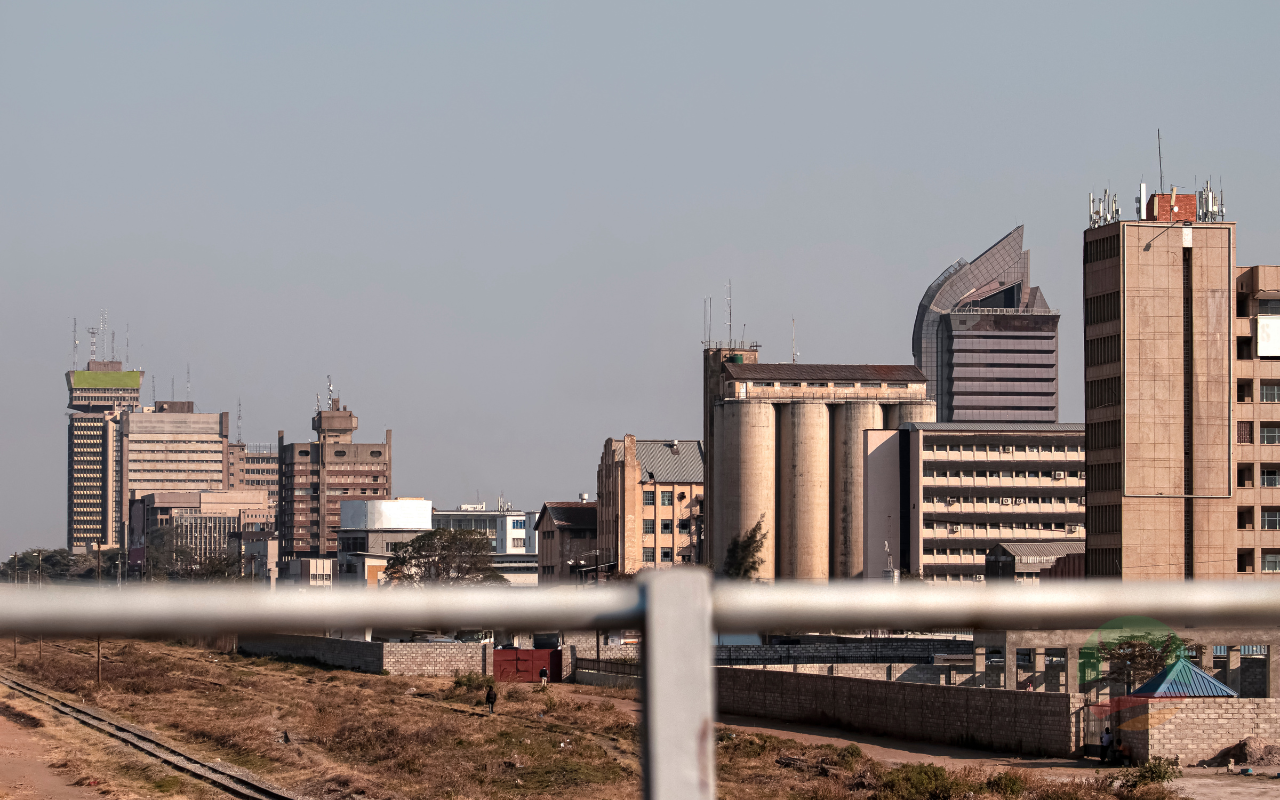
Photo: Victor CrespoUnsplashUnsplash License
LUSAKA, 19 JUNE 2026—Updated 8 Jul 2026
Cuba's National Assembly has approved sweeping market reforms opening the economy to private banks and foreign property buyers, in what is its deepest break from the socialist model in decades.
The vote, reported via Reuters, matters well beyond Havana. It shows a heavily sanctioned, state-run economy reaching for private capital to survive — a path Zambia and other indebted, reform-minded states will recognise from their own dealings with global markets and lenders. This story sits within Kwacha News's world coverage.
What Cuba approved
Legislators unanimously backed a package of roughly 175 measures on 18 June, after the Communist Party endorsed the overhaul. The reforms allow private banks into the financial system, let the state sell property to Cuban nationals, foreigners and diaspora Cubans, permit private real-estate development, and convert state enterprises into share and equity ventures. For the first time, private businesses may employ more than 100 people, and one entrepreneur may own several firms. A new tax system and a digital foreign-exchange market round out the package.
What is being debated here is the dilemma of how to continue the process of socialist construction, which has suffered the longest blockade in history from the world's greatest power. We are not renouncing socialism.
— Cuban President Miguel Díaz-Canel, <a href="https://www.aljazeera.com/news/2026/6/18/cubas-communist-party-approves-opening-economy-in-unprecedented-move">via Al Jazeera</a>
Prime Minister Manuel Marrero, in a long address to legislators, defended the market as a tool rather than an abandonment of principle. Raúl Castro, the former leader, called the measures beneficial and urged that they be implemented quickly, in a letter read to the assembly.
The diaspora provision stands out. By letting Cubans abroad buy property, and by opening a digital foreign-exchange market, Havana is courting the remittances and hard currency its exiled citizens hold. It is a tacit recognition that the money to rebuild the economy may sit outside the island as much as within it — a calculation familiar to any government that leans on its diaspora for foreign exchange.
Why Cuba is reforming now
The driver is economic pain. A US sanctions regime tightened under the Trump administration — including a months-long blockade of oil and fuel deliveries since the start of 2026 — has battered the Cuban economy, driven out foreign businesses and hit the tourism the island depends on. The reforms are an attempt to attract investment and restart growth without formally abandoning the one-party socialist system.
The reforms in brief: Cuba's National Assembly unanimously approved about 175 measures on 18 June 2026. They admit private banks, allow the sale of state property to nationals, foreigners and diaspora Cubans, permit private firms to employ more than 100 people for the first time, and create a new tax system and a digital foreign-exchange market. The overhaul follows a US sanctions squeeze, including an oil and fuel blockade since early 2026. Reported via Reuters and AFP.
President Díaz-Canel framed the changes as unavoidable. He said the situation called for urgent action that, in his words, would not command absolute consensus but could not be postponed. He also said the overhaul was not tied to any negotiation with Washington, talks that began earlier in 2026 and appear to have stalled.
The Washington angle
The reforms land while the United States keeps up the pressure and, at the same time, dangles the prospect of relief. US Vice-President JD Vance suggested an opening if Havana changes course.
We're actually talking to the Cuban government right now about how they could change their ways. If they make smart decisions, we're going to have a much better relationship with that island.
— US Vice-President JD Vance, <a href="https://www.aljazeera.com/news/2026/6/18/cubas-communist-party-approves-opening-economy-in-unprecedented-move">via Al Jazeera</a>
Whether the reforms draw the foreign capital Cuba needs will depend in part on whether that sanctions pressure eases. Investors weighing the new openings have to price in the risk that the rules of engagement with the United States could shift again.
Why this matters for Zambia
Cuba and Zambia are very different economies, but the pattern rhymes. Both have leaned heavily on the state, both have faced external financial pressure, and both have turned to private capital and foreign investment to find a way through. Zambia's own liberalisation has run through the conditions of its post-default recovery, and Kwacha News reported that external debt service fell in 2025 as that restructuring took hold.
The contrast is instructive too. Zambia is courting markets from inside a multiparty system and an International Monetary Fund programme, while Cuba is doing so while keeping one-party control. Investor confidence has lifted Zambian assets — government bonds were among the best-performing in the world this year — a reminder that markets reward credible reform and punish the reverse, wherever the reformer sits on the political spectrum.
There is a competitive edge for Africa, too. Foreign direct investment is a finite pool, and every large state that opens up — Cuba now among them — adds a rival for the same scarce capital that Zambia and its neighbours are working to attract.
What to watch
The first test is implementation: whether Cuba's bureaucracy moves as fast as Raúl Castro urged, and whether private banks and foreign buyers actually arrive. The second is Washington, where any easing or hardening of sanctions will shape how much capital the reforms can pull in. For readers in Lusaka, the episode is a live case study in how a sanctioned, state-led economy tries to open up under pressure.
Frequently Asked Questions
These are the questions readers have been asking since Cuba's legislature approved the overhaul. Short answers follow, drawn from reporting via Reuters and Al Jazeera.
What is Cuba changing?
In short, Cuba is opening its state-run economy to private enterprise and foreign capital. The answer, simply put, is that the National Assembly approved about 175 measures admitting private banks, allowing property sales to foreigners and diaspora Cubans, and letting private firms grow. The key is that it is the deepest break from the socialist model in decades.
How does the reform open the economy?
Data from the approved package shows it admits private banks into finance, permits private real-estate development, converts state enterprises into share ventures, lets private businesses employ more than 100 people for the first time, and creates a new tax system and a digital foreign-exchange market.
Why is Cuba reforming now?
According to the government, the cause is economic pain. Evidence cited by reporters shows a US sanctions squeeze, including an oil and fuel blockade since early 2026, has battered the economy and driven out foreign business, pushing Havana to seek private investment to restart growth.
What are the limits of the reforms?
Analysis of the package shows Cuba is not abandoning one-party socialism; President Díaz-Canel said the country is "not renouncing socialism." The reforms loosen economic control while leaving political control in place, and their success depends on implementation and on whether US sanctions ease.
Which sectors are opening to private business?
Research on the measures shows banking, real estate, retail and a wider range of enterprise are opening to private and foreign participation, with the state able to sell property to nationals, foreigners and diaspora Cubans and entrepreneurs allowed to own several firms.
Sources
Al Jazeera (via AFP and Reuters): Cuba's Communist Party approves opening economy in unprecedented move. Daily Maverick (via Reuters, Havana): Cuban lawmakers approve sweeping reforms to socialist model amid US pressure.
Kwacha News coverage: Zambia's 2025 external debt service and Zambia's record bond returns.
More on Africa/World

TAZARA at 50: Zambia weighs two routes to the sea
As TAZARA turns 50, landlocked Zambia is weighing two rival routes for its copper: east to the Indian Ocean via a rebuilt TAZARA, or west to the Atlantic via the Lobito Corridor.

African leaders back trade insurer ATIDI after record year
African leaders endorsed ATIDI — the pan-African insurer Zambia belongs to — as a cornerstone of a new African-led financial architecture, as the body marked 25 years with record 2025 results and a call to recapitalise it to US$2 billion.
The Kwacha News briefing.
Business, markets and the Zambian economy — in your inbox.
