

Hichilema pushes local-content rules in mining
President Hakainde Hichilema has reaffirmed a commitment to local-content regulations in mining, framing the rules as the route to Zambians benefiting directly from the country's copper and other natural resources.
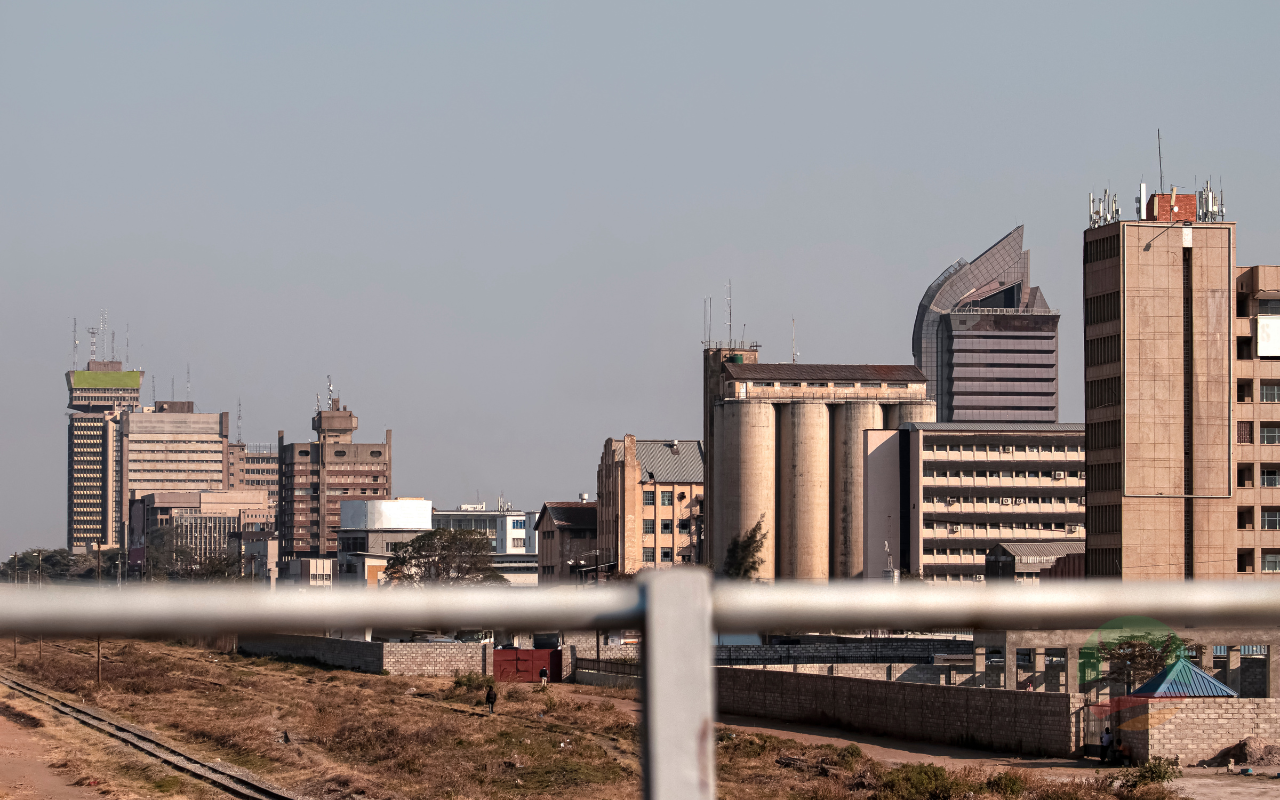
Photo: ZANISzanisGovernment of Zambia — editorial use
LUSAKA, 9 JUNE 2026—Updated 8 Jul 2026
LUSAKA — President Hakainde Hichilema has reaffirmed local-content rules in mining, a framework that represents his bid to make Zambians the direct beneficiaries of mineral wealth.
The commitment matters because local content — the share of mining supply, jobs and services that must come from Zambian firms and workers — is the main policy lever a resource-dependent state holds to keep more of its mineral wealth at home. State House Chief Communications Specialist Clayson Hamasaka said the President tied the regulations to responsible use of Zambia's resources and to broad-based economic growth.
The position was set out by State House, the office of the President of Zambia, through its Chief Communications Specialist. The framing puts mining-sector reform alongside the government's wider economic message in the run-up to the 13 August general election, and signals that copper policy will feature in the campaign.
Mining is the centre of the Zambian economy: copper alone accounts for the bulk of export earnings, and the sector shapes the kwacha, the tax base and employment on the Copperbelt and North-Western Province. Kwacha News has tracked the build-out of domestic processing, including the copper-processing plant planned at Rufunsa. This story is part of our continuing business and economy coverage.
What local content means
Local-content regulations require mining companies to source a set share of goods, services and labour from Zambian suppliers and citizens rather than importing them or relying on expatriate staff. The aim is to push more of each mining dollar through the domestic economy — into local manufacturing, transport, catering, engineering and the skilled jobs that sit around a mine.
Hamasaka said the President wants Zambians to benefit directly from the resources, which in policy terms means tighter rules on procurement, employment and supplier development. The detail that decides whether such rules work sits in the percentages, the timelines and the enforcement — the share of contracts reserved for Zambian firms, the deadlines for localising jobs, and the penalties for companies that miss the targets.
President Hakainde Hichilema has reiterated a commitment to economic growth through the responsible use of Zambia's natural resources, with Zambians benefiting directly from mining.
— Clayson Hamasaka, Chief Communications Specialist, <a href="https://www.sh.gov.zm/">State House</a>
Snapshot: President Hakainde Hichilema has reaffirmed local-content regulations in mining, framing them as the way Zambians benefit directly from the country's natural resources. State House tied the rules to responsible resource use and economic growth. The substance turns on procurement shares, employment targets and enforcement.
Background
Local content is a long-running theme in resource-rich African economies. Nigeria built a local-content regime around its oil sector; Ghana and Tanzania have applied versions to mining and petroleum. The common goal is to convert mineral extraction into domestic industry rather than leaving host countries as exporters of raw ore and importers of finished goods.
For Zambia, the question is sharpened by copper. The metal is central to the global energy transition, and demand has supported prices and reserves, a story Kwacha News covered as the kwacha strengthened past K18 to the dollar on firm copper. Yet value-addition — refining, fabrication and the supply chains around mining — has historically sat outside the country, which is the gap local-content rules are meant to close.
External pressures are tightening the case too. Carbon-border measures in export markets raise the cost of shipping unprocessed minerals, a shift Kwacha News examined in its report on the EU carbon-border levy and Zambian copper. Building more of the value chain at home is both a development goal and, increasingly, a competitiveness one.
What to watch
The first thing to watch is the legal text. A presidential commitment is a signal of intent; the rules bind only once they appear as statutory instruments or amendments with defined thresholds. Watch for the procurement shares, the employment-localisation timelines and the sectors covered.
The second is industry response. Mining houses operating in Zambia will weigh local-content targets against existing supply chains and cost structures, and the credibility of any regime depends on whether companies can meet the targets without stalling investment. The balance between ambition and feasibility is where most local-content rules succeed or fail.
The third is enforcement capacity. Rules without monitoring and penalties tend to slip, so the test is whether the government builds the auditing and reporting needed to hold companies to their targets. The next decision point is the publication of the detailed regulations and the timeline for compliance.
Frequently Asked Questions
These are the questions Zambian readers have been asking since the commitment was reaffirmed. Short answers follow, drawn from the State House statement and from Kwacha News coverage of mining and the economy.
What are local-content regulations in mining?
In short, local-content regulations require mining companies to source a set share of goods, services and labour from Zambian firms and citizens. According to State House, the aim is for Zambians to benefit directly from the country's resources, and the data shows the rules work through procurement, employment and supplier-development requirements.
Why is President Hichilema pushing the rules now?
The answer is economic and political. Evidence cited by State House shows the President wants responsible resource use to drive broad-based growth, and the timing — ahead of the 13 August election — puts copper policy at the centre of the campaign. The rules are framed as keeping more mineral wealth at home.
How does local content affect Zambian businesses and workers?
Simply put, it channels mining spending into the domestic economy. Research into local-content regimes shows that reserving contracts and jobs for nationals can grow local manufacturing, transport and engineering. The key is the size of the reserved shares and whether companies can meet them.
Which part of the economy does this target?
The answer is mining, Zambia's largest sector. Data on the economy shows copper drives export earnings, the kwacha and the tax base, so rules that build more of the value chain at home reach far beyond the mines themselves into the wider economy.
What should readers watch next?
The key is the legal detail. According to the policy process, a presidential commitment binds only once it appears as regulations with defined thresholds, timelines and penalties. Watch for the published rules, the industry response and the enforcement capacity behind them.
Sources
State House: Office of the President of Zambia, statement attributed to Chief Communications Specialist Clayson Hamasaka. Kwacha News coverage: the Rufunsa copper-processing plant, the kwacha and copper prices, and the EU carbon-border levy and Zambian copper.
More on Business & Economy

Guinea bans raw gold exports as Africa pushes local refining
Guinea has banned raw gold exports and now demands local refining, African Business reported. For Zambia, whose copper still leaves largely unprocessed, the move sharpens a long-running question about where the value is captured.

Zambia cuts fuel prices again as shop prices stay high
Zambia's Energy Regulation Board cut pump prices for a third straight month in August 2026, but transport fares and food prices remain high and non-food inflation is rising.
The Kwacha News briefing.
Business, markets and the Zambian economy — in your inbox.

