

Brent crude slips on US-Iran signals — implications for Zambia's pumps
Mixed signals on a US-Iran peace deal have pulled oil prices lower, easing the input cost of Zambia's imported fuel and shifting the next ERB pricing review.
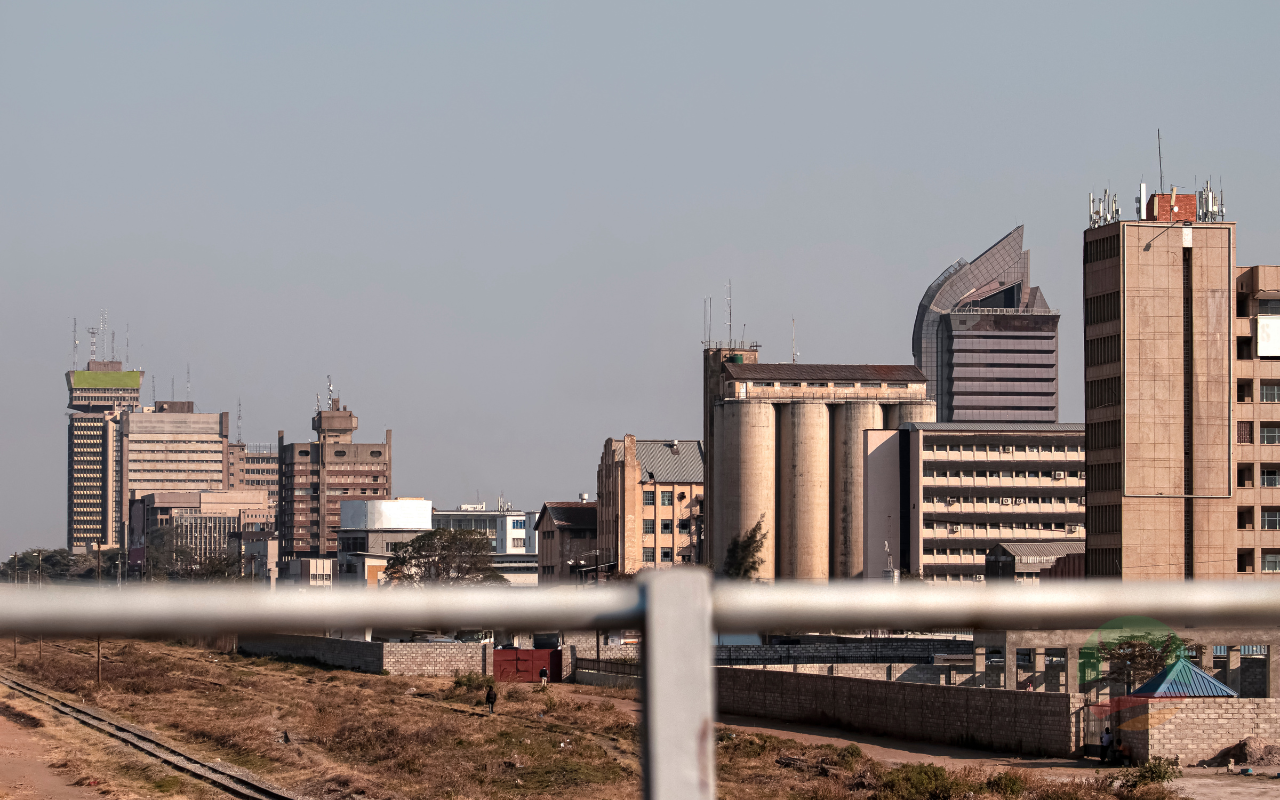
Photo: Walter Siegmund (talk)Wikimedia CommonsCC BY 2.5
LUSAKA, 25 MAY 2026—Updated 8 Jul 2026
LUSAKA — Brent crude is trading lower this week on mixed signals around a US-Iran peace deal, taking the Energy Regulation Board's imported-product input cost down with it and easing pressure on Zambia's pump prices ahead of the next monthly review.
The front-month Brent contract slipped to the high $70s per barrel, having traded north of $84 earlier in May, according to Reuters and Al Jazeera. The move matters more in Lusaka than it might in a major refining economy: Zambia imports almost all its finished petroleum products, and the Brent-linked Mediterranean index sits at the front of the ERB's pricing formula.
The driver
Negotiating signals on Iran have been the dominant short-term swing factor. A clearer path to lifting US sanctions on Iranian crude exports adds barrels to a market already comfortable on supply. The countervailing force is OPEC+ production discipline, which has tightened seaborne availability. The net of those two pulls has been a softer, range-bound market — and a downward bias in the past 10 sessions.
We are now solidly in the range that allows us to model a softer May–June pricing window, all else equal.
— Energy Regulation Board working assumption, May 2026 commentary
That assumption is conditional. The kwacha-dollar rate is the second-largest input in the ERB's model. A weaker kwacha can offset a falling Brent print within the same review — which is exactly the dynamic that has muddied past pass-throughs.
What the formula looks like
The ERB's monthly review takes three lines: the imported-finished-product cost (Brent + Mediterranean refining margin), the import logistics cost (rail and road haulage from Dar es Salaam and Beira) and the kwacha-dollar conversion. To that base the regulator layers fuel levies, the strategic reserve fund contribution and the regulated retail margin. The model is published; the inputs are not always.
Demand-side, Zambia's heavy-haul mining sector — copper concentrate movements out of the Copperbelt and from North-Western — is the single largest off-take. Data from the ERB and the Zambian Energy Sector Outlook shows mining and manufacturing account for a majority of diesel demand; passenger transport dominates petrol. A softer Brent print therefore reaches both consumer wallets and mining-sector cost lines.
Why this matters
Pump prices feed transport tariffs, which feed food and freight, which feed the Bank of Zambia's inflation read. The BoZ's monetary policy committee has been guiding the policy rate lower as inflation has eased back into the 6%–8% target band — covered in our piece on inflation's return to the target corridor. A sustained softer pump print would reinforce that disinflation trajectory; a one-off would not.
On the currency side, a weaker oil import bill helps the trade account at the margin. With copper output strong and the dollar stabilising, the kwacha has had a steadier May than April. The interaction with the BoZ's kwacha-only settlement framework is captured in our coverage of the BoZ directive.
Background reading: our piece on the <a href="/writing/copper-record-13000-us-tariff-zambia">$13,000 copper print and US tariff backdrop</a> and on the <a href="/writing/fed-hawkish-gold-record-frontier-markets-zambia">Fed-hawkish, gold-record frontier-market read</a>.
What to watch
Three signals over the next 10 days. First, the next ERB monthly review communication, expected in early June. Second, the next Brent print at the end of the OPEC+ ministerial window — the cartel's production decision matters as much as the Iran headlines. Third, the BoZ's next monetary policy statement, which will read off the new inflation print. This is part of Kwacha News's ongoing markets coverage.
Sources
Energy Regulation Board: monthly fuel-pricing review archive. Bank of Zambia: May 2026 monetary policy commentary. Reuters and Al Jazeera: on Brent's recent moves and the US-Iran negotiating picture.
Frequently Asked Questions
What is Brent crude?
In short, Brent crude is the global benchmark grade for light, sweet crude oil. The answer, simply put, is that it is the price most non-American refiners and energy ministries reference when buying or modelling imported fuel.
How does Brent reach Zambia's pump prices?
According to the ERB's pricing model, imported finished products are tracked off a Brent-linked Mediterranean index, then layered with the kwacha-dollar rate, transport from Dar es Salaam or Beira, statutory levies and the regulated retail margin. Data from the ERB shows imported product cost is the single largest line.
Why are pump prices reviewed monthly?
The ERB moved to a 30-day review cycle in 2023 to keep retail pricing closer to international moves. In other words, the regulator passes through changes faster than under the old quarterly model, and consumers see both ups and downs sooner.
Who carries fuel-price risk in Zambia?
The Government no longer subsidises pump prices broadly. The Indeni operating company, the OMCs and ultimately the consumer carry the imported-product cost. Research from the ERB shows the structural reform has narrowed fiscal exposure but raised consumer sensitivity to global oil moves.
What are the real risks of an oil-price gap?
Analysis of past Brent shocks demonstrates three durable risks: pass-through to transport and food costs, kwacha drag from a widening trade-deficit line, and political pressure to reinstate subsidies. Evidence from 2022 shows each can land within a single quarter.
More on Markets

Zambia's inflation holds at 6.5% for a second month
Annual inflation stayed at 6.5% in July 2026, ZamStats said. Food inflation eased to 6.4% while non-food rose to 6.7%, holding the headline rate inside the central bank's target band.

Bank of Zambia cuts kwacha reserve ratio to 21%
The Bank of Zambia cut the statutory reserve ratio on kwacha deposits to 21% from 26%, freeing about K5 in every K100 of deposits for lending. The ratio on foreign-currency deposits stays at 36%.
The Kwacha News briefing.
Business, markets and the Zambian economy — in your inbox.

