

What Zambia's kwacha-only payment rule means for business
Since 26 December 2025, the Bank of Zambia has required domestic transactions to be settled in kwacha, not dollars. Here is what the currency directives demand, who is exempt, and the penalties for getting it wrong.
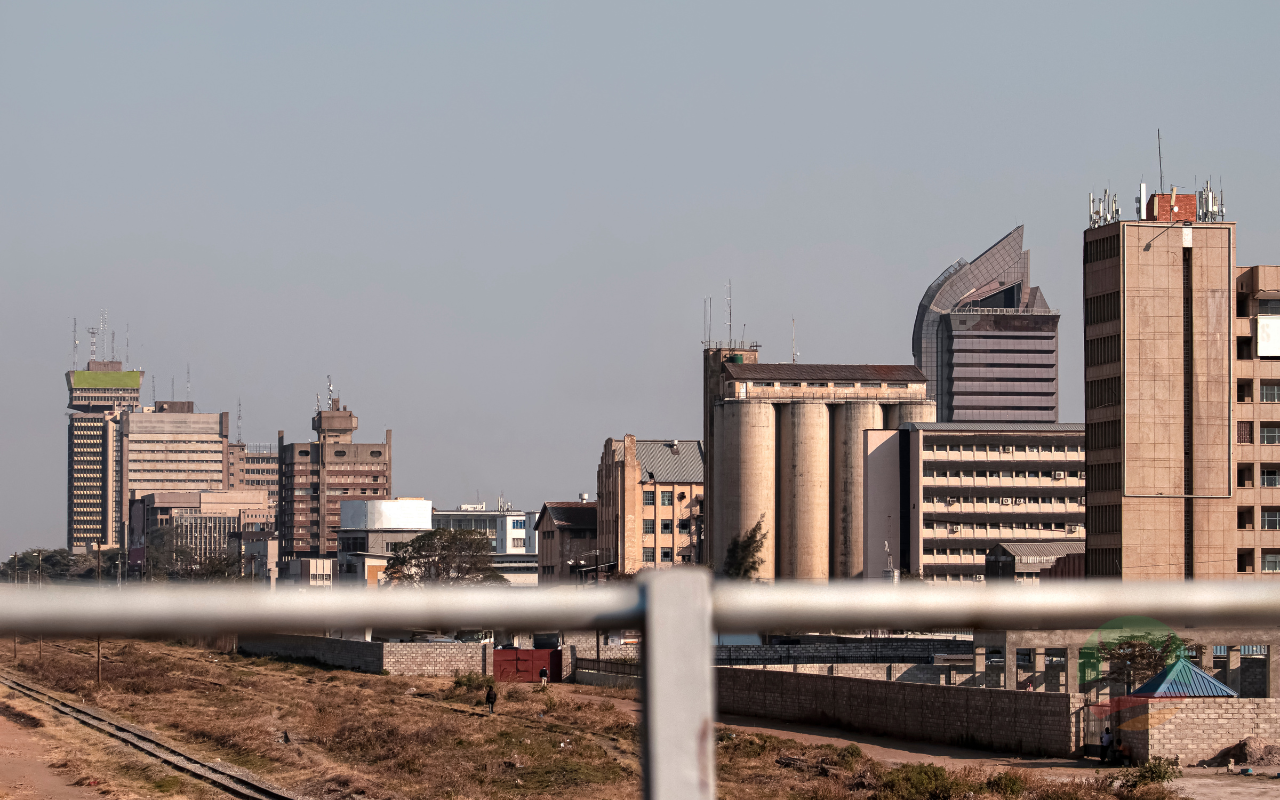
Photo: ChongkianwikidataCC BY-SA 4.0
LUSAKA, 22 MAY 2026—Updated 8 Jul 2026
The Bank of Zambia's currency directives mean that every domestic transaction in Zambia must be settled in kwacha, not US dollars — even when a contract is priced in a foreign currency.
The kwacha-only rule took effect on 26 December 2025 and is reshaping how businesses, landlords, schools and service providers invoice and collect payment. The Bank of Zambia issued the directives under the Bank of Zambia Act of 2022, and they carry criminal as well as administrative penalties. This is what the rule actually requires of any business operating in Zambia.
How the kwacha-only rule works
The directives draw a clear line. A contract may still be denominated in a foreign currency — a commercial lease quoted in dollars, say — but the actual settlement, the money that changes hands, must be in kwacha. According to the Bank of Zambia, conversion happens at the market exchange rate.
Where the parties cannot agree on a rate, the directives set a default. The Bank of Zambia's 09:30 hours kwacha-to-dollar mid-rate is the mandatory reference, removing the argument over which rate applies. The data shows the aim is to standardise settlement, not to ban foreign-currency pricing outright.
What counts as a domestic transaction
A domestic transaction is defined broadly: any private or public transaction within Zambia involving a payment to a person resident in the country. That definition sweeps in rent, school fees, professional services, retail and most business-to-business invoicing between residents.
The breadth is deliberate. Research into the directives shows the Bank of Zambia wanted to close the habit, common in property and high-value services, of invoicing residents in dollars. The rule pushes those everyday payment flows back into kwacha.
Who is exempt
The directives are not absolute. The Bank of Zambia built an exemption schedule that recognises economic reality, especially for mining — the dollar-earning heart of the economy. Banking products, securities and insurance policies with foreign-currency components regulated under their own laws are preserved.
In other words, the capital markets and the export economy keep their dollar plumbing, while everyday domestic service transactions move to kwacha. The analysis shows this is a targeted de-dollarisation, not a blanket one, designed to protect Zambia's foreign-exchange earners while reclaiming the domestic economy for the local currency.
All domestic transactions must be settled in Zambian kwacha; where a contract is denominated in foreign currency, settlement is made in kwacha at the market exchange rate.
— Summary consistent with the Bank of Zambia Currency Directives, 2025, issued under the Bank of Zambia Act, 2022
The penalties
Compliance is enforced, not encouraged. The directives combine administrative sanctions with criminal liability: an individual violation can carry penalties of up to 2,500 penalty units or two years' imprisonment, or both. Companies including large utilities have already begun notifying suppliers that invoices must be issued and settled in kwacha.
Zambia's kwacha-only settlement rule — the essentials
What it does: requires domestic transactions to be settled in kwacha · Effective: 26 December 2025 · Legal basis: Bank of Zambia Act, 2022 (sections 18 and 73) · Pricing: contracts may stay in foreign currency; settlement is in kwacha at the market rate · Default rate: the BoZ 09:30 kwacha/dollar mid-rate · Exemptions: banking, securities, insurance and specified mining flows · Penalty: up to 2,500 penalty units or two years' imprisonment
Why the Bank of Zambia did it
The directive is a de-dollarisation move. Years of pricing rent, fees and services in dollars had entrenched the greenback in domestic life, weakening the kwacha's role as the unit of account. By forcing settlement in kwacha, the central bank deepens demand for the local currency.
The timing helps. The kwacha has strengthened around 30% against the dollar over the past year, so the switch lands at a moment of currency strength rather than weakness. Evidence from other economies shows de-dollarisation works best when the local currency is gaining credibility — the bet the Bank of Zambia is making.
Frequently Asked Questions
These are the questions Zambian businesses have been asking about the kwacha-only rule. Short answers follow, drawn from the Bank of Zambia Currency Directives, 2025 and the Bank of Zambia Act.
What is the Bank of Zambia currency directive?
In short, a rule that domestic payments be made in kwacha. The answer is that the Currency Directives, 2025, issued under the Bank of Zambia Act, require domestic transactions to be settled in the local currency. The key is that it took effect on 26 December 2025.
How does the kwacha settlement rule work?
Simply put, you may price in dollars but must pay in kwacha. According to the directives, settlement converts at the market rate, and the Bank of Zambia's 09:30 mid-rate applies if parties disagree. The key is that the money changing hands is kwacha.
Why is Zambia requiring kwacha settlement?
The answer is de-dollarisation. Evidence shows pricing services in dollars had weakened the kwacha's role at home, so the rule rebuilds demand for the local currency. The key is that it lands while the kwacha is strong, up about 30% on the year.
Who is exempt from the directive?
In other words, the export and financial economy. Research into the directives shows banking products, securities, insurance with foreign-currency components and specified mining flows are exempt. The data shows the aim is to protect dollar earners while moving everyday payments to kwacha.
What are the penalties for paying in dollars?
Analysis of the directives shows an individual violation can carry up to 2,500 penalty units or two years' imprisonment, or both. Evidence from supplier notices shows companies are already enforcing kwacha invoicing. Each penalty is administrative or criminal, so compliance is not optional.
What to watch
Two signals. The first is enforcement: whether the Bank of Zambia pursues early cases that set the tone for compliance across property and services. The second is the effect on the kwacha, where sustained domestic demand for the currency could reinforce the strength the rule is riding on.
Sources
Bank of Zambia: Currency Directives, 2025 and the explanatory notes. The directives are issued under the Bank of Zambia Act, 2022, sections 18 and 73.
Professional guidance: RSM Zambia on the directives. Kwacha News earlier coverage: the kwacha's appreciation and the move to retire cheques in the payments system.
More on Markets

Zambia's inflation holds at 6.5% for a second month
Annual inflation stayed at 6.5% in July 2026, ZamStats said. Food inflation eased to 6.4% while non-food rose to 6.7%, holding the headline rate inside the central bank's target band.

Bank of Zambia cuts kwacha reserve ratio to 21%
The Bank of Zambia cut the statutory reserve ratio on kwacha deposits to 21% from 26%, freeing about K5 in every K100 of deposits for lending. The ratio on foreign-currency deposits stays at 36%.
The Kwacha News briefing.
Business, markets and the Zambian economy — in your inbox.

