

Africa, Caribbean press for slavery reparations
The African Union and Caribbean states have merged their reparations machinery and pressed former slave-trading powers for formal apologies, debt relief and compensation at a conference in Accra.
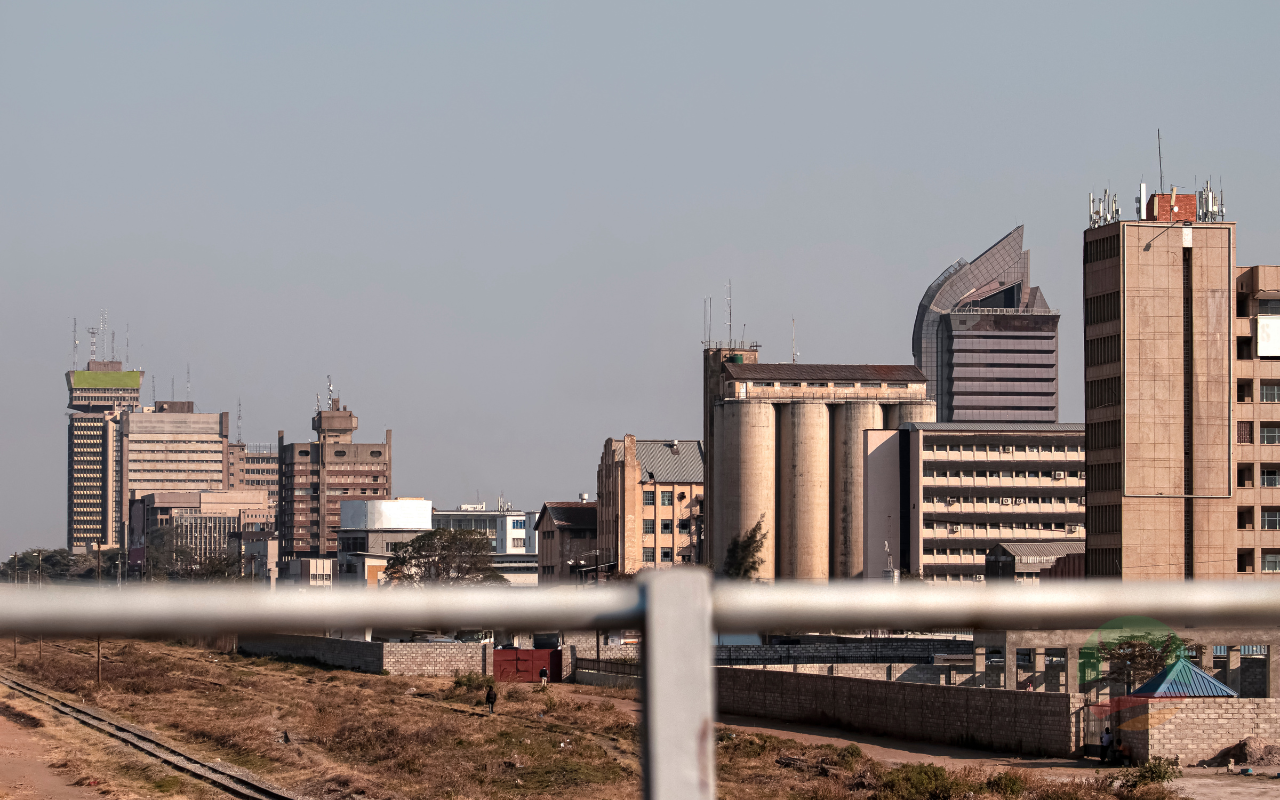
Photo: Antoine SchiblerUnsplashUnsplash License
LUSAKA, 20 JUNE 2026—Updated 21 Jun 2026
ACCRA — A joint African Union and Caribbean campaign for slavery reparations is moving from symbolic recognition toward concrete demands for formal apologies, debt relief and compensation.
The shift matters because it turns decades of declarations into a coordinated diplomatic push backed by two regional blocs, with a single case to put to the former colonial powers. The two sides met this week to merge their efforts. This story is part of Kwacha News’s continuing Africa coverage.
The African Union’s reparations bodies and the Caribbean Community (CARICOM) Reparations Commission held their first joint meeting on 17 June, then gathered for an International High-Level Consultative Conference in Accra on 18 and 19 June, the African Union said.
What was agreed
The three mechanisms — the African Union Committee of Experts on Reparations, the African Union Reference Group of Legal Experts on Reparations and the CARICOM Reparations Commission — agreed to set up a trilateral coordination structure, with quarterly meetings of a joint bureau and at least one annual plenary of the full membership.
The aim is to merge two long-running campaigns into one. CARICOM has pursued reparations through a 10-Point Plan for Reparatory Justice; the African Union has built its own legal and expert framework. A single, coordinated demand is harder for former slave-trading states to deflect than two separate ones.
The meeting implemented assembly decisions based on the resolve of the Global African Diaspora Summit held in South Africa in 2012.
— Ambassador Amr Aljowaily, African Union Director for Citizens and Diaspora Organizations, <a href="https://au.int/en/pressreleases/20260617/african-union-and-caricom-reparations-mechanisms1-hold-first-joint-meeting">via the African Union</a>
Snapshot: The African Union and CARICOM held their first joint reparations meeting on 17 June and convened a High-Level Consultative Conference in Accra on 18–19 June. They agreed a trilateral coordination structure and pressed former slave-trading powers for formal apologies, debt relief and compensation. The work builds on UN General Assembly Resolution A/RES/80/250, which recognised the transatlantic trafficking of enslaved Africans as the gravest crime against humanity.
Why it matters
Reparations have moved from the margins of African diplomacy to its agenda. The African Union made 2025 a year of reparations, and the United Nations General Assembly passed a resolution recognising the enslavement of Africans as a crime against humanity — language that gives the campaign a legal foothold it lacked before.
The demands now go beyond an apology. The two blocs are pressing for debt relief and financial compensation, framing historical injustice as a live economic question for countries still carrying its costs. That framing connects to the wider strain in Africa’s relationships with the West, which Kwacha News has tracked from new US labour tariffs on African countries to the halving of African embassies that process US visas.
For Zambia and other African states, the campaign is also about development. Debt relief and compensation, if ever delivered, would change the fiscal space available for the kind of investment — power, transport, health — that African governments are otherwise borrowing to fund.
Background — a long campaign
The reparations movement has deep roots in the Caribbean, where CARICOM established its Reparations Commission and 10-Point Plan years ago. The African Union’s engagement is more recent but has accelerated, anchored by Assembly decisions in 2023 and 2024 and the Addis Ababa Declaration adopted in September 2025.
The Accra conference was built around UN General Assembly Resolution A/RES/80/250, which recognised the trafficking of enslaved Africans and racialised chattel enslavement as the gravest crime against humanity. The resolution calls on states to discuss reparatory justice, including a full and formal apology, restitution and guarantees of non-repetition.
The plan agreed in Accra does not name which specific countries should apologise. Instead it sets out a coordinated process — research, legal strategy and diplomatic engagement — designed to carry one joint position into the next UN General Assembly.
Ghana, which hosted the conference, has positioned itself as a centre of the reparations and pan-African movement, building on its history as a hub of the African diaspora. Its role as host underlined that the campaign now runs on both sides of the Atlantic, from Accra to the Caribbean capitals, rather than from one region alone.
What to watch
The first thing to watch is the response from former colonial powers, most of which have resisted formal apologies and compensation. Their reaction will show whether the joint approach changes the diplomacy.
The second is the UN General Assembly, where the two blocs intend to present a single document. A coordinated submission carries more weight than competing regional appeals.
The third is whether the campaign translates into anything material. Apologies, debt relief and compensation are very different asks, and the gap between recognition and delivery is where reparations movements have stalled before.
Frequently Asked Questions
These are the questions readers have been asking about the reparations campaign. Short answers follow, drawn from the African Union’s statements and the UN resolution.
What is the reparations campaign?
In short, it is a joint African Union and CARICOM push for redress for transatlantic slavery. The answer, simply put, is that the two blocs are demanding formal apologies, debt relief and compensation. The key is that they have now merged their efforts into one coordinated process.
How does the joint mechanism work?
The answer is through a trilateral structure. Data from the African Union shows three bodies agreed to coordinate with a joint bureau meeting quarterly and a full plenary at least once a year, so the two regions argue with one voice.
Why is the campaign gaining momentum now?
Simply put, because the United Nations recognised the issue. Evidence of that shift is UN General Assembly Resolution A/RES/80/250, which named the enslavement of Africans a crime against humanity and gave the campaign legal footing.
What are the main demands?
According to the African Union, the demands are a formal apology, debt relief and financial compensation, alongside restitution and guarantees of non-repetition. Analysis of the resolution shows the asks now go well beyond symbolic recognition.
Which bodies are leading it?
Research shows three bodies lead the work: the African Union Committee of Experts on Reparations, the African Union Reference Group of Legal Experts on Reparations and the CARICOM Reparations Commission.
Sources
African Union: AU and CARICOM reparations mechanisms hold first joint meeting. UN General Assembly Resolution A/RES/80/250 on reparatory justice. Kwacha News coverage: US labour tariffs on African countries and US visa-processing cuts in Africa.
More on Africa/World

TAZARA at 50: Zambia weighs two routes to the sea
As TAZARA turns 50, landlocked Zambia is weighing two rival routes for its copper: east to the Indian Ocean via a rebuilt TAZARA, or west to the Atlantic via the Lobito Corridor.

African leaders back trade insurer ATIDI after record year
African leaders endorsed ATIDI — the pan-African insurer Zambia belongs to — as a cornerstone of a new African-led financial architecture, as the body marked 25 years with record 2025 results and a call to recapitalise it to US$2 billion.
The Kwacha News briefing.
Business, markets and the Zambian economy — in your inbox.
