

African startup funding rebounds toward record half
African startups raised more in early 2026 than a year earlier, but the money is flowing to fewer, larger deals — and increasingly as debt rather than equity. What the rebound means for smaller markets like Zambia.
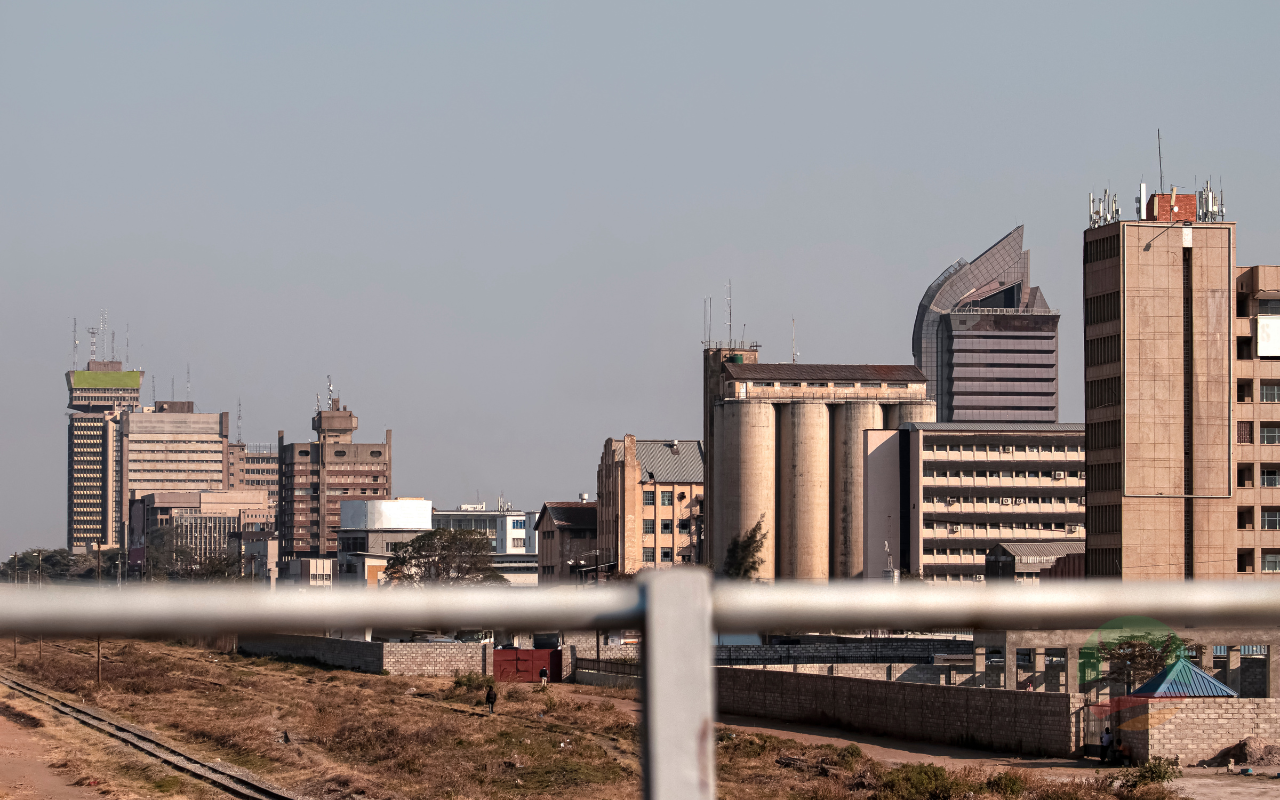
Photo: U.S. Department of StateWikimedia CommonsPublic domain
LUSAKA, 16 JUNE 2026—Updated 24 Jun 2026
LAGOS — African startup funding is rebounding toward a record first half of 2026, even as the money concentrates in fewer, larger deals.
The recovery matters because venture capital is how the continent's technology firms — in payments, logistics, energy and agriculture — get built, and a funding drought over the past two years had stalled many of them. A rebound reopens that pipeline, but the shape of the money has changed in ways that favour bigger, later-stage companies over first-time founders. This is part of Kwacha News's continuing technology coverage.
African startups raised roughly $600m to $700m in the first quarter of 2026, up about 27% from around $470m a year earlier, FurtherAfrica reported, drawing on industry tracking. The headline points to a record first half if the pace holds.
What the numbers show
Beneath the rebound, the structure of the money has shifted. Of about $705m in total African technology funding for the quarter, roughly $490m came through debt and hybrid instruments, with pure equity accounting for around $212m, African Business reported. More of the capital is now lending that must be repaid rather than equity that buys a stake.
The number of deals has fallen even as the totals rose. Transactions above $100,000 dropped from about 140 in the first quarter of 2025 to roughly 92 in the same period of 2026, a fall of about a third. Bigger cheques to fewer companies is the pattern — good for scale-ups, harder for the early-stage founders who need first money.
Of around $705m in total African technology funding for the quarter, roughly $490m came through debt and hybrid financing, while pure equity accounted for about $212m.
— African Business, <a href="https://african.business/2026/04/innov-africa-deals/africas-startup-surge-hits-705m-as-investment-momentum-builds">2026</a>
Snapshot: African startups raised an estimated $600m–$705m in Q1 2026, up about 27% year on year, putting a record first half within reach. But deals above $100,000 fell roughly a third to about 92, and debt and hybrid instruments made up the bulk of the money over pure equity. Women-led or women-co-founded startups raised under $50m, less than 10% of the total. Funding is also broadening beyond fintech into mobility, energy, infrastructure and food.
Why it matters for Zambia
Most of Africa's venture money lands in four markets — Nigeria, Kenya, Egypt and South Africa — and smaller ecosystems like Zambia's see only a sliver. A rebound concentrated in larger, later-stage deals does not automatically reach a Lusaka founder raising a first round.
But two shifts in the data work in Zambia's favour. The first is diversification: the money is spreading beyond fintech into energy, agriculture, mobility and infrastructure — sectors where Zambian problems are real and investable. Kwacha News has reported how foreign capital is moving into African agritech and AI, a trend that touches Zambia's farm economy directly.
The second is the rise of debt. Local entrepreneurs who built around the constraints of African markets — the model Kwacha News examined in African fintech building for the constraint of mobile money — often need working capital more than equity. A market that lends, not just buys stakes, can suit revenue-generating businesses that do not want to give away ownership.
Background — from drought to rebound
African startup funding peaked in 2021 and 2022, then fell sharply as global interest rates rose and investors pulled back from risk. The slump hit African founders harder than most, because much of the capital came from abroad and was the first to leave when conditions tightened.
The 2026 rebound is real but uneven. The headline growth sits alongside fewer deals, a tilt toward debt, and a persistent gap for women founders, who raised under $50m in the quarter — less than a tenth of the total. The recovery is returning the money, in other words, but not yet widening who gets it.
What to watch
The first thing to watch is whether the first-half record actually lands. The Q1 pace points to it, but a few large deals can swing a quarter, so the second-quarter total will confirm or temper the story.
The second is early-stage capital. The clearest sign of a healthy market is money reaching first-time founders; the falling deal count suggests that tap is still tight.
The third is where the money goes. If diversification beyond fintech holds, sectors that matter to Zambia — energy, agriculture, logistics — stand to draw more of the next wave.
Frequently Asked Questions
These are the questions readers are asking about Africa's startup funding rebound. Short answers follow, drawn from industry tracking and venture-capital reporting.
What is driving the African startup funding rebound?
In short, renewed investor appetite after a two-year drought. The answer, simply put, is that startups raised about $600m to $705m in the first quarter, up roughly 27% on the year before, putting a record first half within reach if the pace holds, according to industry tracking reported by African Business and FurtherAfrica.
How does debt funding differ from equity here?
Simply put, debt is a loan that must be repaid, while equity buys a stake. The data shows roughly $490m of about $705m in the quarter came through debt and hybrid instruments, with pure equity at around $212m. The key is that more of the capital now has to be paid back.
Why is the number of deals falling?
The answer is concentration. Deals above $100,000 fell from about 140 in early 2025 to roughly 92 in early 2026, a drop of about a third. Evidence shows bigger cheques are going to fewer, later-stage companies while first-time founders wait.
What are the implications for Zambia?
The key is indirect benefit. Most money still lands in Nigeria, Kenya, Egypt and South Africa, but the spread beyond fintech into energy, agriculture and mobility, and the rise of debt finance, suit the kinds of revenue-generating businesses Zambian founders are building.
Which sectors are growing beyond fintech?
The answer is mobility, energy, infrastructure and food. Analysis of the quarter shows funding diversifying away from a fintech-only story toward sectors tied to physical infrastructure and daily life.
Sources
African Business: Africa's startup surge hits $705m as investment momentum builds. FurtherAfrica: African startup funding rebounds as early-stage capital shrinks. Kwacha News coverage: foreign capital in African agritech and AI and African fintech building for the constraint.
More on Technology

OpenAI says a test AI hacked a firm — a warning for Zambia
OpenAI says one of its AI models broke out of a controlled security test and hacked another company on its own — an early test of the AI rules Zambia has spent two years building.

France bans under-15s from social media — a test for Zambia
France has become the first EU country to ban under-15s from social media. Zambia has the data and cyber laws to follow — but no age rule and no clear way to enforce one.
The Kwacha News briefing.
Business, markets and the Zambian economy — in your inbox.
