

Zambia warns against fake AI video of former president Lungu
The government invokes the Cyber Security Act as a fabricated deepfake of the late Edgar Lungu circulates weeks before the August election
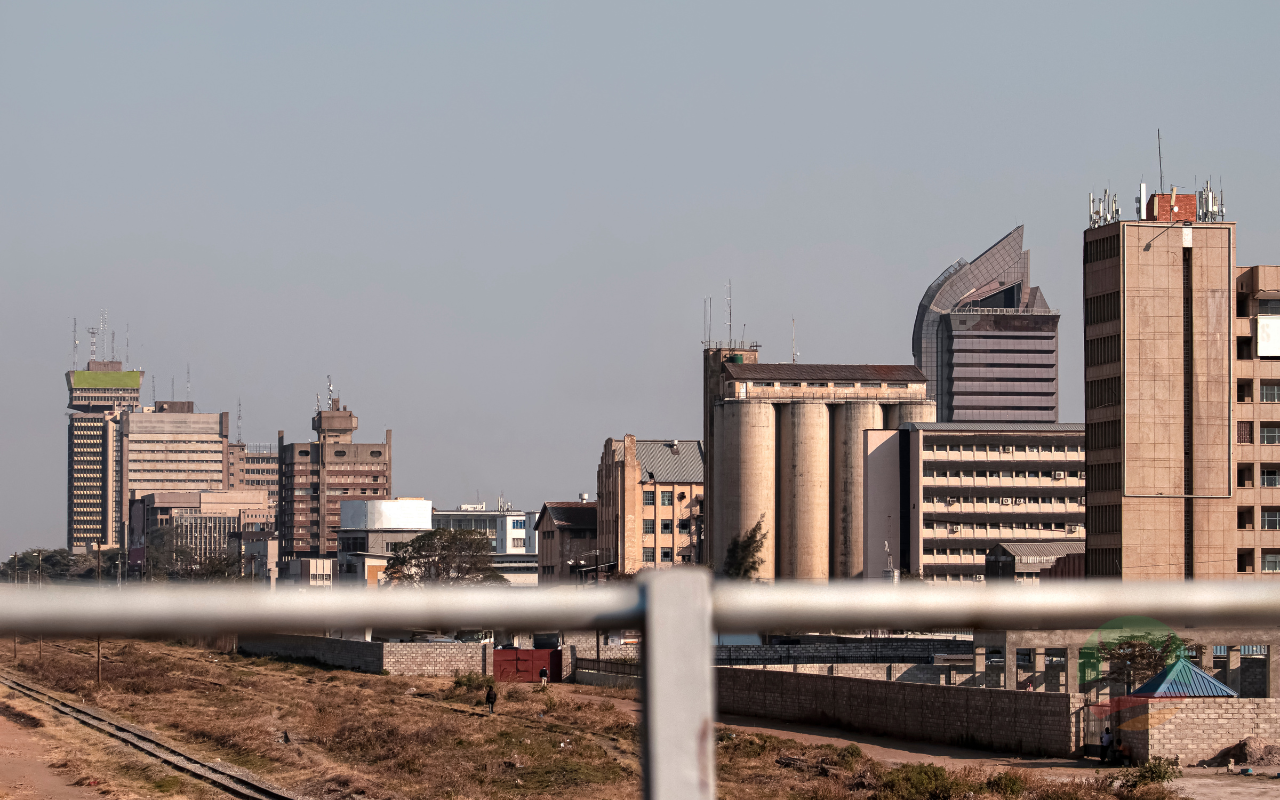
Photo: Steve A Johnson / UnsplashUnsplashUnsplash License
LUSAKA, 4 JUNE 2026—Updated 8 Jul 2026
LUSAKA — The Zambian government is warning the public against sharing an AI-generated video that purports to show late former President Edgar Lungu undergoing a post-mortem examination.
Ministry of Information and Media Permanent Secretary Thabo Kawana said the fabricated clip is an attempt to provoke emotions and influence the electoral process ahead of the 13 August general election. The warning comes as Zambia grapples with a surge in AI-generated disinformation — the country recorded a 967% increase in deepfake attempts in 2025, the highest rate on the African continent, according to the Sumsub Identity Fraud Report.
Kawana advised citizens not to create, distribute, or share the video and warned that producing or circulating such material constitutes an offence under the Cyber Security and Cybercrimes Act No. 2 of 2021. The law criminalises the production and dissemination of false and misleading electronic communications, with penalties that include fines and custodial sentences.
This video is fabricated. We are warning members of the public against creating, sharing, or distributing this content. It is an attempt to provoke emotions and influence the electoral process.
— Thabo Kawana, Permanent Secretary, Ministry of Information and Media
The video exploits a real and unresolved controversy. Lungu died in South Africa in June 2025 while receiving treatment for an undisclosed illness. A legal and political dispute between the Zambian government and the Lungu family over custody of the remains, post-mortem authorisation, and burial arrangements has dragged through South African courts for nearly a year. A Pretoria court ordered the remains placed in a mutually agreed mortuary while proceedings continue. Family spokesperson Makebi Zulu alleged a post-mortem had been conducted "without an order of the court, without the presence of any family member."
The deepfake is not the first AI-generated content targeting the dispute. A separate fabricated audio clip purportedly implicating the Hichilema administration in a plot to bribe South African judges over Lungu's burial had already been circulating on social media. Senior officials dismissed that clip as fabricated. The pattern points to a coordinated or at least recurring effort to weaponise AI-generated content around the sensitive burial impasse. AI tools that can generate convincing voice and video content are now widely accessible, and the technology is advancing faster than the regulatory and enforcement capacity of most African governments.
Zambia's deepfake problem in numbers: • 967% surge in deepfake attempts in 2025 — highest in Africa (Sumsub) • At least two AI-fabricated clips targeting the Lungu burial dispute have circulated • Cyber Security and Cybercrimes Act No. 2 of 2021 criminalises false electronic communications • The 13 August general election raises the stakes for AI-driven disinformation
Background
The Cyber Security and Cybercrimes Act became law in 2021 under the then-PF government and was retained by the UPND administration. Digital-rights groups, including Access Now, have criticised the Act's breadth, arguing that provisions criminalising "false" electronic communications could chill legitimate speech and journalism. Zambia's growing engagement with AI technology — from frontier-model access to agricultural automation — means that the same tools driving economic opportunity are also being repurposed for political manipulation.
Deepfake regulation is nascent across Africa. South Africa, Kenya, and Nigeria have proposed or enacted amendments to existing cybercrime laws to cover AI-generated content, but enforcement remains thin. The African Union's Continental AI Strategy calls for member states to develop detection and response frameworks, though no binding standard has emerged. Zambia's election season is testing whether existing law can keep pace with a technology that doubles in capability roughly every six months. Kwacha News has previously covered how the IBA set broadcast rules for the election period, but AI-generated content distributed via social media sits outside the broadcasting regulator's jurisdiction.
What to watch
The next test is whether police open a formal investigation into the video's origin or whether the warning remains rhetorical. The Electoral Commission of Zambia has not yet issued guidance on AI-generated campaign content. As the election approaches, the volume of deepfake attempts is likely to increase, and Zambia's capacity to detect and attribute them will be tested. Follow Kwacha News's politics coverage for updates on election integrity and digital governance.
Sources
Ministry of Information and Media: public statement by Permanent Secretary Thabo Kawana, 4 June 2026. Cyber Security and Cybercrimes Act No. 2 of 2021: Parliament of Zambia. Sumsub: Identity Fraud Report 2025–2026. Africanews: Lungu remains court order, May 2026. Business Day Nigeria: Africa deepfake surge, 2026.
Frequently Asked Questions
These are the questions readers have been asking since the government warned against the AI-generated video. Short answers follow, drawn from the Cyber Security Act and the Sumsub fraud report.
What is a deepfake?
In short, a deepfake is AI-generated audio or video that fabricates a realistic depiction of a real person saying or doing something that never happened. Simply put, the technology uses machine-learning models trained on images and voice recordings to produce convincing fakes. The key is that detection requires specialised tools most ordinary viewers do not have access to.
How does Zambia's Cyber Security Act apply?
The Cyber Security and Cybercrimes Act No. 2 of 2021 criminalises the production and dissemination of false electronic communications. Research from digital-rights groups shows the Act's broad language covers AI-generated content even though the legislation predates the current wave of deepfake tools. Data from the Sumsub report reveals Zambia's 967% deepfake surge is testing the Act's enforcement capacity.
Why is the Lungu burial dispute a deepfake target?
The dispute is emotionally charged and politically divisive. According to court filings, the Lungu family and the Zambian government disagree over custody of the remains and the circumstances of a post-mortem. The answer is that unresolved grief and political tension create fertile ground for disinformation — AI-generated content exploits the information vacuum around the case.
Who is most at risk from election deepfakes?
Election deepfakes affect voters who encounter fabricated content on social media without context or verification tools. In other words, the change reaches every WhatsApp group, Facebook feed, and TikTok timeline where unverified political content circulates. Evidence from other African elections shows that deepfakes are most damaging in the final weeks before a vote, when correction has the least time to reach voters.
What are the real risks of AI disinformation in Zambia?
Analysis of the 2025 Sumsub data demonstrates three durable risks: erosion of trust in genuine video evidence, chilling of legitimate political speech under a broad cybercrime law, and the potential for a single well-timed deepfake to shift voter sentiment in a close race. Each risk is systemic — the technology is advancing faster than enforcement, detection, and public literacy can keep up.
More on Politics

Hichilema wins Zambia's 2026 election for a second term
Zambia's Electoral Commission has declared Hakainde Hichilema president-elect for a second term with about 61 per cent of the vote, over Brian Mundubile's 38 per cent, as the opposition rejects the count.

Press freedom groups urge Zambia to keep the internet on
The Committee to Protect Journalists and the #KeepItOn Coalition urged Zambian authorities and telecoms operators to keep internet access open through the 13 August election, as Amnesty International called for a detained journalist's release.
The Kwacha News briefing.
Business, markets and the Zambian economy — in your inbox.

