

IBA denies banning campaign songs, sets poll rules
The broadcasting regulator says it cannot ban songs, but has told one station to drop an inflammatory track and tightened election content rules before August.
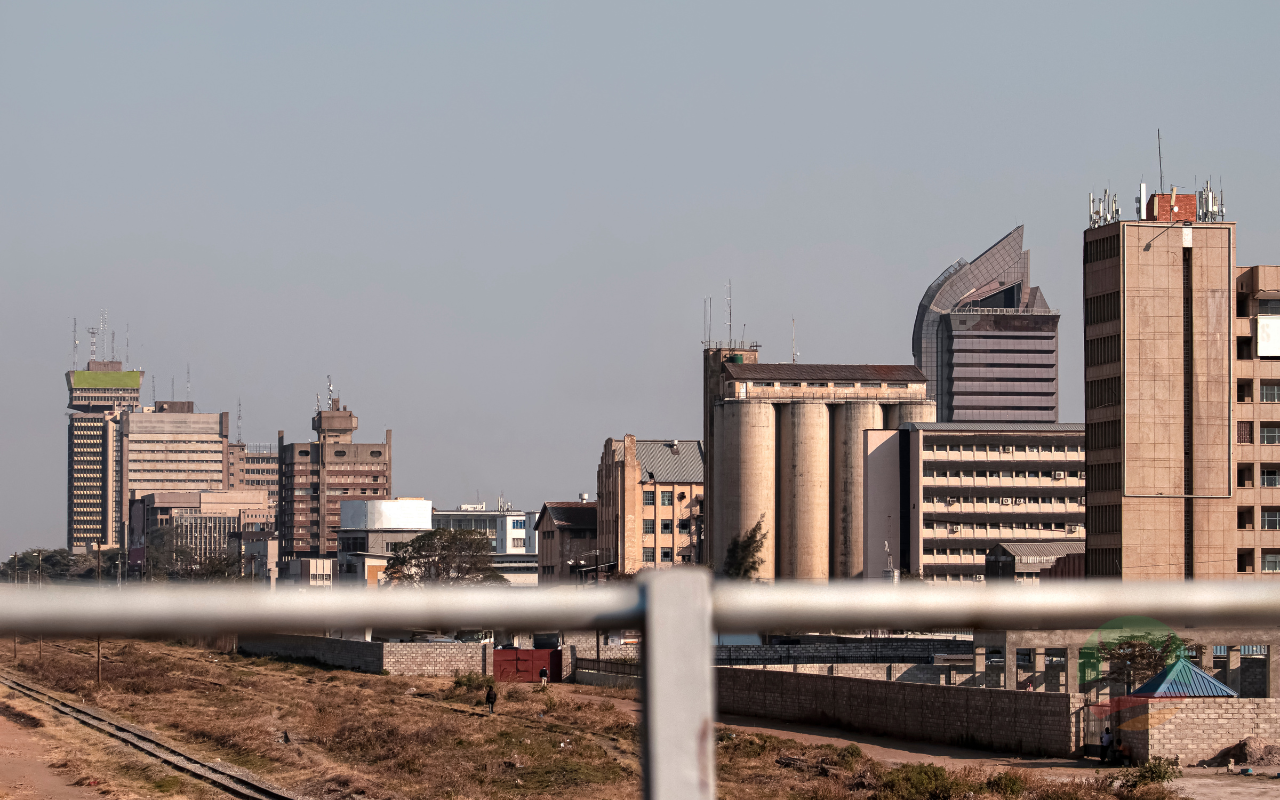
Photo: Seattle Municipal ArchivesWikimedia CommonsCC BY 2.0
LUSAKA, 1 JUNE 2026—Updated 20 Jun 2026
LUSAKA — Zambia's broadcasting regulator is denying it has banned political campaign songs, even as it orders one station to drop a track it judged inflammatory weeks before the August election.
The Independent Broadcasting Authority moved to quell reports of a blanket ban after directing Hot FM to stop airing a campaign song, drawing a line between policing individual broadcasts and censoring music outright in a tense election year.
The authority's director general, Webster Malido, said the IBA has no power to ban songs and that its role is to guide broadcasters on content standards. The clarification followed claims, circulating online, that campaign music had been outlawed across the airwaves.
The authority has no jurisdiction to ban songs in the country; our mandate is to guide broadcasting stations on content to ensure compliance with broadcasting standards.
— Webster Malido, Director General, Independent Broadcasting Authority
What the IBA did do was order Hot FM to stop airing "BM8 na MZ8 Bengile", a song by the artist Blaze Zambia, in its current form. The authority said the track carried inflammatory and unverified allegations — including claims that leaders use tribe and money to set people against each other, and insinuations of satanism — presented without balance during a campaign period.
The directive sits inside the IBA's broader Election Coverage Guidelines for the 13 August general election. Kwacha News has tracked the rules now shaping the campaign, from the ECZ campaign timetable to the electoral code of conduct.
Where guidance ends and censorship begins
The distinction the IBA is drawing matters. A regulator that guides broadcasters on hate speech and unverified claims is doing a recognised job; one that pulls songs it dislikes is doing something else. The line between the two is exactly what free-expression groups watch in an election season — the same anxiety that surfaced when Zambia cancelled the RightsCon digital-rights summit.
The IBA's position — No song ban: the authority says it has no power to ban music. Hot FM directive: the station was told to stop airing one campaign track in its current form. The test: content must not promote hatred, division or unverified allegations. The frame: the Election Coverage Guidelines for the 13 August general election.
Background
The IBA licenses and regulates Zambia's radio and television stations under the Independent Broadcasting Authority Act. In election periods it issues coverage guidelines meant to keep broadcasts fair and balanced, and routinely engages stations on compliance. Music has become a campaign battleground in Zambia, where catchy partisan tracks reach voters faster than manifestos, a dynamic Kwacha News follows in its Politics coverage.
What to watch
The next flashpoints are predictable: more campaign songs, more complaints, and more directives as 13 August nears. The question is whether the IBA applies its standard evenly across stations aligned with the governing party and the opposition alike. Uneven enforcement would turn a content-standards exercise into a credibility problem for the vote itself.
Frequently Asked Questions
These are the questions readers have asked since the directive. Short answers follow, drawn from the IBA's statements and election guidelines.
What is the IBA's election content guidance?
In short, it is a set of standards for how broadcasters handle campaign content. The answer, simply put, is that songs and political content must not promote hatred, division or unverified allegations.
How does the IBA regulate campaign songs?
The data on its mandate shows the IBA cannot ban a song outright. According to Director General Webster Malido, it can only direct a licensed station on whether specific content meets broadcasting standards.
Why is the Hot FM song restricted?
The key is the content. The IBA found the track carried inflammatory, unverified allegations — including tribal and satanism claims — presented without balance during the campaign, which it said could fuel tension.
Who is affected by the guidance?
In other words, every licensed radio and television station, and the artists and parties whose material they air. Evidence from past elections shows enforcement tends to intensify as polling day nears.
What are the rules for broadcasters before August?
Research into the guidelines shows broadcasters must keep election content balanced and verified, avoid hate speech, and follow the IBA's Election Coverage Guidelines through to the 13 August vote.
Zambia's airwaves have expanded fast, with scores of community and commercial radio stations now reaching every district — the main way most voters follow a campaign. That reach is why the IBA's content rulings carry weight, and why opposition figures and the governing party alike watch them for any sign of bias. In 2021, disputes over equal airtime and the regulator's independence shadowed the last general election, a history that raises the stakes for every directive the authority issues this year.
Sources
Independent Broadcasting Authority: broadcasting standards and election coverage guidelines. Electoral Commission of Zambia: 2026 general election framework.
More on Politics

Hichilema wins Zambia's 2026 election for a second term
Zambia's Electoral Commission has declared Hakainde Hichilema president-elect for a second term with about 61 per cent of the vote, over Brian Mundubile's 38 per cent, as the opposition rejects the count.

Press freedom groups urge Zambia to keep the internet on
The Committee to Protect Journalists and the #KeepItOn Coalition urged Zambian authorities and telecoms operators to keep internet access open through the 13 August election, as Amnesty International called for a detained journalist's release.
The Kwacha News briefing.
Business, markets and the Zambian economy — in your inbox.

