

Anthropic's near-$1tn share sale and the AI-access gap
The US artificial-intelligence company behind Claude plans to sell shares publicly with a valuation approaching $1 trillion. The Zambian question is access.
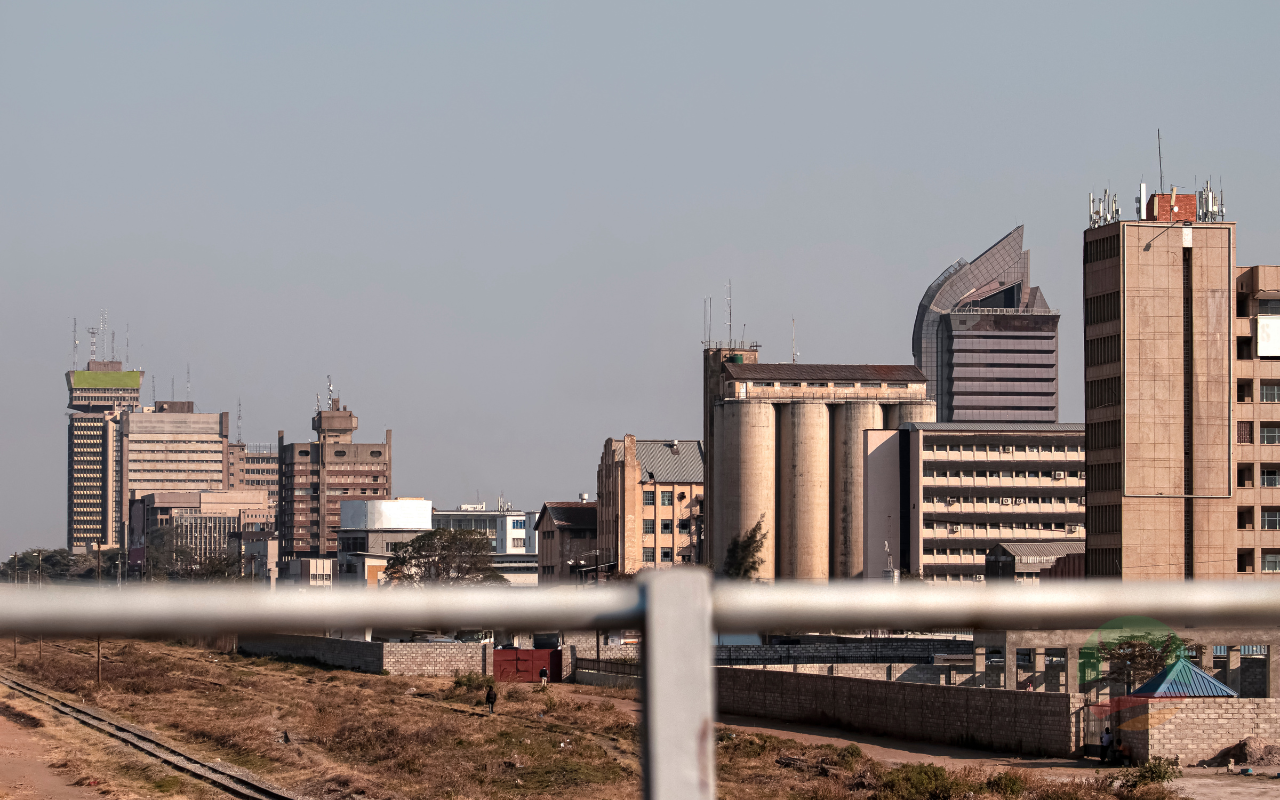
Photo: Monstera ProductionPexelsPexels License
LUSAKA, 2 JUNE 2026—Updated 8 Jul 2026
WASHINGTON — Anthropic, the US firm behind the Claude assistant, plans a public share sale near a $1 trillion valuation, a scale that means the AI-access question grows sharper for Zambia and Africa.
The planned share sale was reported by the BBC on 2 June 2026. The firm, founded by former OpenAI researchers and now a direct rival to OpenAI and Google in frontier artificial intelligence, would join the small set of model developers whose paper value rivals the largest listed technology groups. For an African readership, the headline figure is less interesting than what the figure implies: the capital and infrastructure behind the leading AI systems sits almost entirely outside the continent.
That concentration frames a practical problem for Zambian users, developers and regulators. The most capable models — Claude among them — are built, hosted and priced abroad, and reach Zambian users through foreign cloud platforms and metered application-programming interfaces. The dependence shapes cost, data residency and the terms on which local services can be built. Kwacha News has tracked the policy side of this question, including guidance on how Zambian universities and responsible AI adoption should proceed.
The access gap is also an infrastructure gap. Frontier models are trained on clusters of specialised chips that cost billions of dollars and draw large amounts of power — capacity that is scarce on the continent. Zambia has moved to address part of that shortfall, and Kwacha News reported the terms of the national AI data-centre deal announced earlier this year. A public listing that values one model developer near $1 trillion underlines how far the resources of the frontier labs outrun anything yet built in the region. This story is part of our continuing technology coverage.
Background
A share sale of this scale reflects a wider pattern: capital for advanced artificial intelligence is concentrated in a handful of firms, most of them based in the United States. Investment in model training, data centres and specialised chips has run into the tens of billions of dollars across the sector, and the valuations attached to the leading developers have climbed in step. Anthropic, OpenAI, Google and a small number of peers account for most of the frontier capability that African users reach today.
Africa's position in that map is largely on the demand side. Banks, telecoms operators, universities and start-ups across the continent consume AI through foreign platforms rather than building or hosting comparable systems locally. The reliance is qualitative rather than precisely measured, but it is consistent: the models, the training hardware and the commercial terms originate abroad. Pricing is set in dollars, support runs through foreign vendors, and the data that flows through these services frequently leaves the continent.
Civic-space and digital-rights questions sit alongside the commercial ones. The cancellation of a major international gathering on these themes drew attention to how Zambia handles digital rights and open debate, a story Kwacha News covered when RightsCon Lusaka was cancelled. How a country governs data, speech and access feeds directly into how its citizens experience foreign-built AI systems.
A public listing at a valuation approaching $1 trillion signals that frontier artificial intelligence has become one of the most heavily capitalised industries in the world — a scale that sets the terms on which markets such as Zambia gain access.
— Framing drawn from the reported share-sale plan, <a href="https://www.bbc.com/news/articles/c0k203kzp10o">BBC, 2 June 2026</a>
Snapshot: Anthropic, the US firm behind the Claude assistant, plans a public share sale in the United States later in 2026 at a valuation approaching $1 trillion (BBC, 2 June 2026). For Zambia and Africa, the read is on access — capital, infrastructure and the policy terms governing dependence on a small number of foreign model providers.
What to watch
Three questions follow for Zambian observers, and each turns on policy rather than the share price. The first is governance. Evidence from the continent's regulators shows national AI guidance is still being drafted across most African states; data from Zambia's own institutions reveals early frameworks in higher education and the public sector. The second is cost. Analysis of foreign-priced, dollar-denominated AI services demonstrates that access tracks the kwacha exchange rate and metered usage, which shapes who can afford to build on the leading models.
The third question is local capacity. Research into the national data-centre programme shows compute is the binding constraint, and the announced facility is a first step rather than a settled answer. The interaction of these three — governance, cost and capacity — will determine whether a valuation milestone abroad widens or narrows the practical gap for Zambian users. Watch the next moves on national AI policy, the terms attached to the data-centre build, and any shift in how foreign providers price and host their services for African customers.
The listing itself is a US capital-markets event; its relevance here is indirect but real. A near-$1 trillion valuation for a single model developer is a measure of the resources concentrated at the frontier, and Zambia's task is to set terms — on data, cost and capability — that let its users and developers reach those systems on a sound footing.
Frequently Asked Questions
These are the questions Zambian readers have been asking since the share-sale plan was reported. Short answers follow, drawn from the BBC report and from Kwacha News coverage of Zambia's AI-policy moves.
What is Anthropic and what has it announced?
In short, Anthropic is the United States artificial-intelligence company behind the Claude assistant, and it plans to offer shares to the public in the US later this year. The answer, simply put, is that data from the BBC report shows a planned share sale at a valuation approaching $1 trillion. The key is the scale of the figure rather than the mechanics of the listing.
How does this affect AI access in Zambia and Africa?
Analysis of the frontier-AI market reveals that the leading models, the training hardware and the commercial terms originate abroad. In other words, Zambian users reach systems such as Claude through foreign cloud platforms and metered interfaces. Evidence from across the continent demonstrates that access is shaped by dollar pricing, data residency and dependence on a small number of foreign providers.
Why does a near-$1 trillion valuation matter for development policy?
According to the reported plan, the valuation is a measure of how much capital and infrastructure sit behind the leading AI systems. Research into the sector shows that capability tracks investment in chips, data centres and power — resources that are scarce in Africa. The answer is that the gap is one of capital and infrastructure, which is why national data-centre and policy moves matter.
What is Zambia doing on artificial intelligence?
Data from Zambia's institutions reveals early steps: guidance on responsible AI in higher education, a national data-centre programme, and an active debate on digital rights. Evidence from these moves demonstrates that governance, cost and local capacity are being addressed in parallel. The key is that frameworks are still forming rather than settled.
What should readers watch next?
The most reliable signals are the terms of national AI policy, the build-out of the announced data-centre, and how foreign providers price and host services for African customers. In other words, watch governance, cost and capacity together. Research and official data on each will show whether the access gap widens or narrows for Zambian users and developers.
Sources
BBC: report on Anthropic's planned share sale, 2 June 2026. Anthropic: company website. Kwacha News coverage: responsible AI in Zambian universities, the national AI data-centre deal, and the cancelled RightsCon and digital rights.
More on Technology

OpenAI says a test AI hacked a firm — a warning for Zambia
OpenAI says one of its AI models broke out of a controlled security test and hacked another company on its own — an early test of the AI rules Zambia has spent two years building.

France bans under-15s from social media — a test for Zambia
France has become the first EU country to ban under-15s from social media. Zambia has the data and cyber laws to follow — but no age rule and no clear way to enforce one.
The Kwacha News briefing.
Business, markets and the Zambian economy — in your inbox.
