

Lusaka widens Twin Palm Road into a dual carriageway
A single-lane artery in eastern Lusaka is being doubled to ease some of the capital's worst rush-hour gridlock.
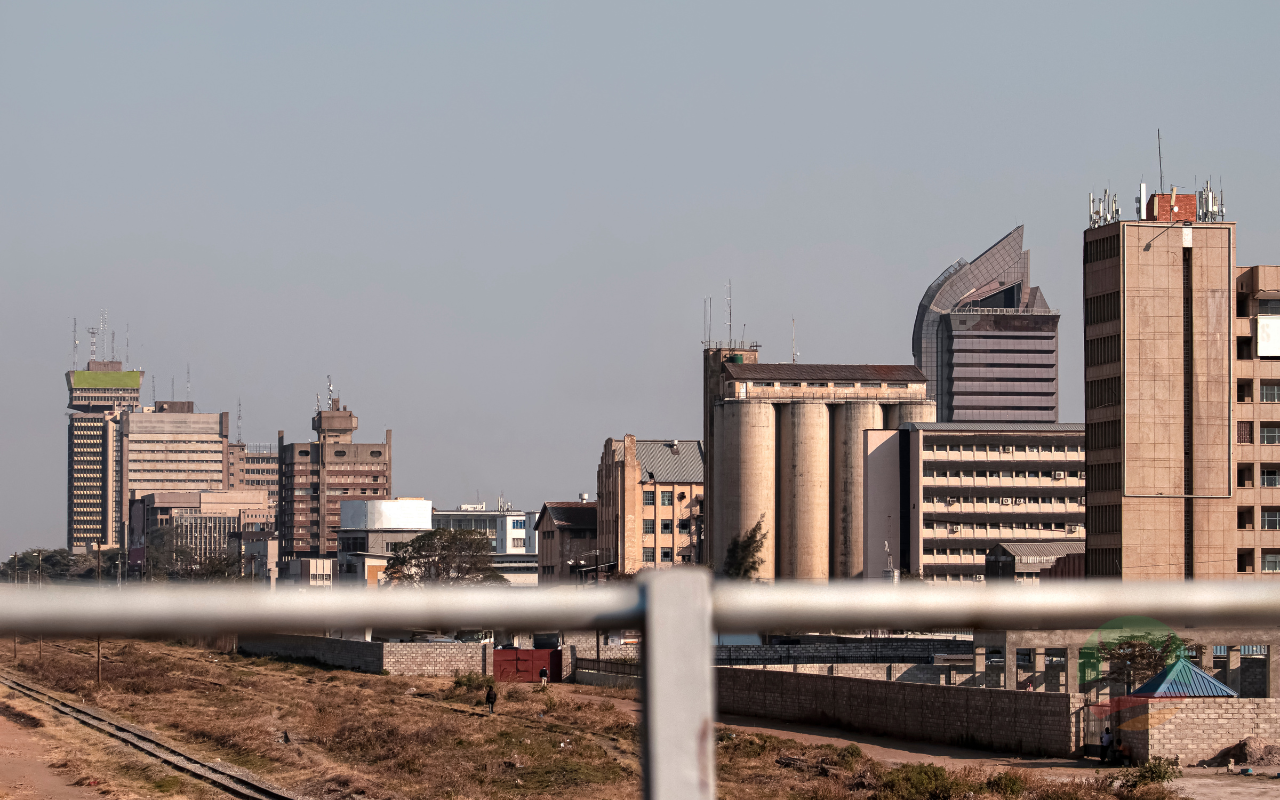
Photo: Melting Tarmac ImagesWikimedia CommonsGFDL
LUSAKA, 16 JULY 2026—Updated 16 Jul 2026
LUSAKA — Twin Palm Road in eastern Lusaka is being widened from a single into a dual carriageway due for completion in September 2026, the Lusaka City Council says.
The widening is the most visible part of a 40.17-kilometre township roads programme the Lusaka City Council is running across the capital, funded by the Ministry of Local Government and Rural Development at a cost of K1.8 billion. Twin Palm Road links the fast-growing Ibex Hill and Silverest corridor to the city centre, and the council has cast the extra lanes as central to easing the rush-hour queues that choke eastern Lusaka. Councils elsewhere in the country are reporting similar road-rehabilitation progress, but the Twin Palm job ranks among the most closely watched in the capital.
What the Twin Palm works involve
The stretch under construction runs from the Lake Road junction to the Zambian Air Force base at Twin Palm, a distance the council puts at about 3.4 kilometres. Beyond adding a second carriageway, the works cover new pavement layers, drainage and road signage, according to the Lusaka City Council. The council began the Twin Palm works as part of a wider effort to rebuild roads that carry heavy daily commuter traffic, and the Lusaka City Council has described the road as one of the busiest in the capital.
The rehabilitation works include creating extra lanes on some roads, constructing new pavement layers, drainage works, and installing road signage.
— Chola Mwamba, <a href="https://www.zambiamonitor.com/lusaka-city-council-embarks-on-road-rehabilitation-lists-independence-avenue-twin-palm-road-others-for-action/">Lusaka City Council statement</a>
Twin Palm Road at a glance
Route: Lake Road junction to the Zambian Air Force base, Twin Palm. Length: about 3.4km. Change: single carriageway widened to a dual carriageway. Target completion: September 2026. Executor: Lusaka City Council. Funder: Ministry of Local Government and Rural Development.
A K1.8 billion council roads programme
Twin Palm Road is one of several routes in the council's 40.17-kilometre rehabilitation programme, delivered in three lots and financed by the Ministry of Local Government and Rural Development at K1.8 billion. Other roads on the list include Independence Avenue, at about 3.34 kilometres, the Chunga dumpsite road at about 2.9 kilometres and Ibex Road at about 2.5 kilometres, with extra lanes planned on the Great East Road and Kamanga Road, according to the Lusaka City Council. The programme also names Acacia Road, Main Street, Simon Mwansa Kapwepwe Road and the Kamanga-Kapiliomba road, and sits alongside the council's drainage and sanitation work, including a rebuilt Chunga treatment plant and new Ngwerere sewage works.
The project aims to improve accessibility and the movement of people, goods, and services within the city.
— Chola Mwamba, <a href="https://www.zambianpolitics.com/2026/07/twin-palm-road-rehabilitation-works.html">Lusaka City Council statement, 14 July 2026</a>
Why eastern Lusaka needs the extra lanes
Lusaka has grown far faster than the roads that serve the capital. The city's population stood at roughly 2.2 million in 2022, according to census-based figures, and eastern suburbs such as Ibex Hill and the Silverest belt have filled with housing that funnels commuters onto a handful of arteries at peak hours. The National Road Fund Agency has put about 60 percent of the country's roughly 780,000 registered vehicles in Lusaka, leaving single-lane roads such as Twin Palm Road badly overstretched. Other council projects in the same eastern corridor, such as the Ibex Hill water-quality laboratory, show how quickly the area is being built out, and doubling the carriageway is meant to spread the load and cut travel time into the city centre.
Council roads, not a trunk highway
The Twin Palm works fall within the council's mandate over township and feeder roads, a different track from the national trunk network run by the Road Development Agency. The agency is separately turning the Lusaka–Ndola road into a dual carriageway under a long-running concession, a project on a far larger scale than the city's township lots. Keeping the two programmes distinct matters for residents trying to follow which body answers for a given road: the Lusaka City Council for streets such as Twin Palm Road, the Road Development Agency for the highways that link Lusaka to the Copperbelt and beyond. Feeder-road works in other provinces, such as the Tapo–Lulambo road in Mongu, run on the same council-and-agency split.
Background
Efforts to unclog Lusaka predate the current council programme. The government launched the Lusaka Decongestion Project in 2018, a roughly US$289 million scheme co-financed with the Exim Bank of India to widen roads and build flyovers, covering some 65.64 kilometres of roads and 25.68 kilometres of flyovers and junction improvements, the National Road Fund Agency says. The agency has also pressed a rule reserving a fifth of each government road contract for local subcontractors, part of a push to lower construction costs and build Zambian capacity.
We would like to build capacity for local contractors so that we can see the reduction of the prices of some of these roads.
— Wallace Mumba, <a href="https://nrfa.org.zm/lusaka-a-city-under-construction/">National Road Fund Agency</a>
More recently, the government released about K1.3 billion for construction and rehabilitation of Lusaka roads in mid-2025, a tranche the Local Government permanent secretary, Nicholas Phiri, said had been disbursed with works due to begin within weeks, Open Zambia reported. The council's K1.8 billion township package, funded through the Ministry of Local Government and Rural Development, is a separate and later commitment, and the Twin Palm Road widening is among the first stretches to show visible progress.
What to watch
The near-term test is whether the Lake Road-to-Twin Palm stretch is finished on the September 2026 schedule the Lusaka City Council has set, and whether the promised drainage holds through the rains that routinely flood eastern Lusaka. Residents will also watch for the remaining lots in the 40.17-kilometre programme to move, and for the widened Twin Palm Road to shorten the morning crawl into the city rather than shift the bottleneck to the next junction. The Lusaka City Council has not published a lot-by-lot timetable beyond the Twin Palm target.
Sources
Reporting drawn from the Lusaka City Council statement of 14 July 2026 as carried by Zambian Politics; the council's road-rehabilitation programme detail via Zambia Monitor; the 2025 funding release via Open Zambia; decongestion and vehicle-concentration figures from the National Road Fund Agency; trunk-road context from the Road Development Agency; and population data from Wikipedia. Follow more of the desk's coverage on the Local section.
Frequently Asked Questions
What is the Twin Palm Road dual carriageway?
In short, the Twin Palm Road dual carriageway is a Lusaka City Council project that widens the road from one lane in each direction to two along the stretch from the Lake Road junction to the Zambian Air Force base, data from the council shows. The council widens the single carriageway into a dual carriageway to carry more traffic through eastern Lusaka.
How does the council plan to fund the works?
Simply put, the works are funded by the Ministry of Local Government and Rural Development, which is financing the wider 40.17-kilometre township roads programme at K1.8 billion, according to the Lusaka City Council. The Twin Palm Road widening forms one part of that three-lot package.
Why is Twin Palm Road being widened?
The key is congestion: eastern Lusaka has grown quickly, and figures from the National Road Fund Agency reveal that a large share of Zambia's vehicles are concentrated in the capital, overloading single-lane roads. Widening Twin Palm Road into a dual carriageway is meant to cut travel time and ease the rush-hour queues, the Lusaka City Council says.
Who is carrying out the Twin Palm Road works?
The answer is the Lusaka City Council, which runs the capital's township and feeder roads, according to the council's own statement. Trunk highways such as the Lusaka–Ndola road fall instead to the Road Development Agency, a separate national body, records show.
What are the other roads in the Lusaka programme?
In other words, Twin Palm Road is one of several routes, with the Lusaka City Council listing Independence Avenue, the Chunga dumpsite road, Ibex Road and extra lanes on the Great East Road and Kamanga Road, according to figures the council released. Analysis of the programme shows a total of about 40.17 kilometres across three lots.
More on Local

Great East Road to be widened into a dual carriageway
President Hakainde Hichilema pledged to widen the Great East Road into a dual carriageway and build the Chipata-Lundazi road, alongside a 100MW solar project and hospital upgrades in Eastern Province.

Kasama council reports progress on road rehabilitation
Kasama Municipal Council says a K11.4 million road rehabilitation programme funded through the 2025 Constituency Development Fund has completed St Theresa Road and is now grading Chiba Road, with Chanda Mukulu Road still to start.

Kitwe driver arrested after assault on AVIC supervisor
Zambia Police Service says a 32-year-old Kitwe driver has been arrested after a Chinese national supervising an AVIC construction site was assaulted on the Mufulira–Mokambo Road on 28 June.
The Kwacha News briefing.
Business, markets and the Zambian economy — in your inbox.