

Paramount Chief Mpezeni IV of the Ngoni dies at 75
The custodian of Ngoni heritage reigned for 44 years and built the Ncwala into one of Zambia's largest traditional ceremonies.
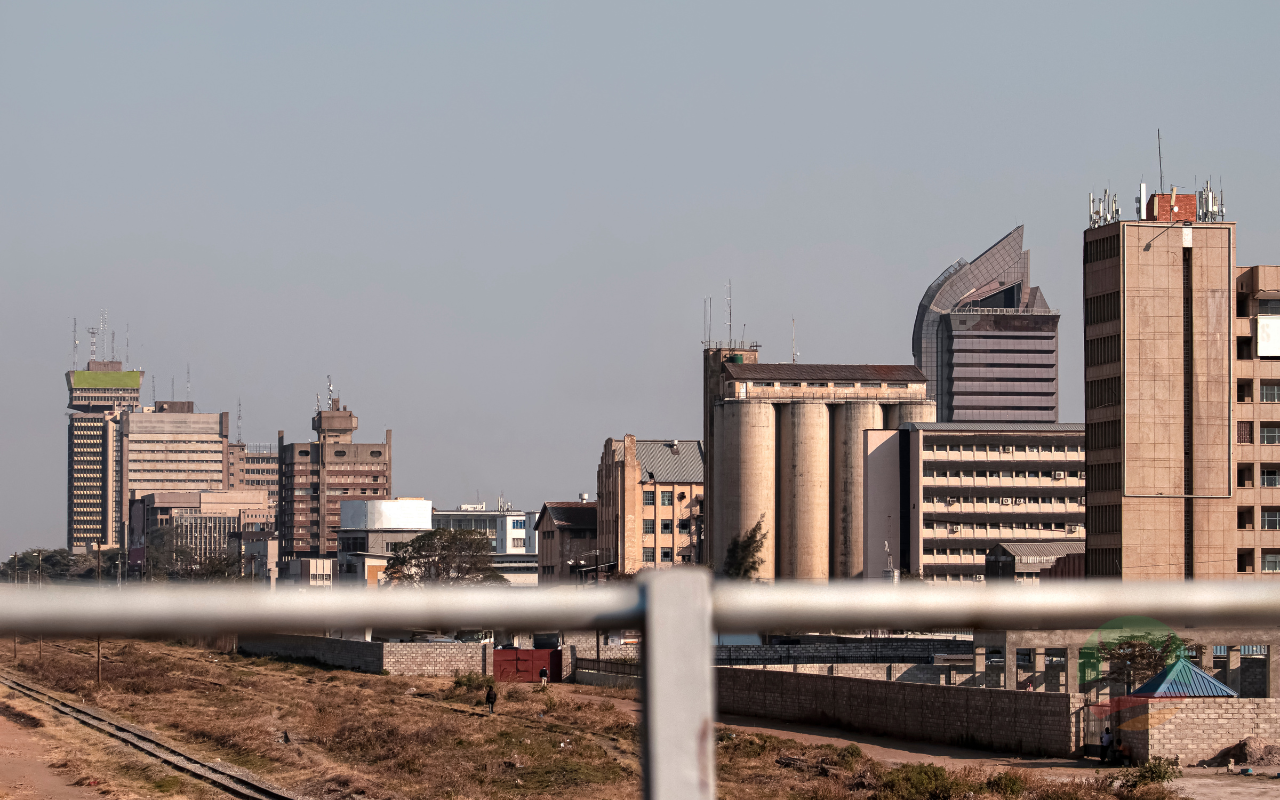
Photo: Walusiku NalishuwaWikimedia CommonsCC BY-SA 4.0
LUSAKA, 1 JUNE 2026—Updated 8 Jul 2026
LUSAKA — Paramount Chief Mpezeni IV, the Ngoni traditional ruler whose 44-year reign made him one of Zambia's longest-serving chiefs, is dead at 75.
He died early on 30 May at the University Teaching Hospital in Lusaka, closing a chapter in the Eastern Province that opened in 1982 and shaping how a new holder of the title will now be chosen.
Born David Njengembaso and enthroned as Inkosi ya Makhosi Mphezeni IV, he was formally installed on 19 June 1982, months after the death of his father, Mpezeni III. His coronation at Ephendukeni was attended by Zambia's founding president, Kenneth Kaunda.
Over four decades he became the custodian of Ngoni culture, a people spread across Zambia's Eastern Province and into Mchinji in neighbouring Malawi. He was the first Mpezeni to travel back to the Ngoni ancestral homeland in South Africa, knitting together a heritage scattered by the 19th-century migrations that brought the Ngoni north.
His death lands amid a crowded national calendar. Kwacha News has this month followed the legal fight over the burial of former president Edgar Lungu, covered in the Supreme Court of Appeal reserved judgement, and President Hakainde Hichilema's run of governance set-pieces, including his Africa Freedom Day clemency. Hichilema led the tributes, mourning the chief as a unifier.
The Ncwala and the throne he built
Mpezeni's most visible legacy is the Ncwala, the Ngoni first-fruits ceremony held each February at Mtenguleni near Chipata. Under his reign it grew from a local rite into one of the country's largest traditional gatherings.
Mphezeni transformed the Ncwala into one of Zambia's largest and most prominent traditional ceremonies, attracting thousands of participants, government leaders, diplomats and visitors from across Africa.
— Public record, <a href="https://en.wikipedia.org/wiki/Paramount_Chief_Mpezeni">Paramount Chief Mpezeni</a>
Mpezeni IV in brief — 75: his age at death. 1982: the year he was installed, on 19 June. 44 years: the length of his reign. Eastern Province: the seat of the Ngoni chiefdom, at Chipata. Ncwala: the February first-fruits ceremony he made a national event.
What happens to the succession
Under Zambian custom, a paramount chief is chosen by the royal establishment of the relevant people, not by the state. The Ministry of Local Government and Rural Development said the government would keep engaging the Ngoni Royal Establishment as funeral and succession arrangements unfold, and expressed hope the process would set a positive example of an orderly transition.
The House of Chiefs, the constitutional body that gives traditional leaders a national voice, recognises the paramount chief once the establishment has settled on a successor. That recognition is part of the local-government fabric this section covers; readers can follow it through Kwacha News's Local coverage.
Background
The Ngoni trace their origins to the Nguni of southern Africa, moving north under Zwangendaba in the 1830s and settling in what is now eastern Zambia. The Mpezeni title has anchored that identity for generations. Mpezeni IV used it to push education and development projects in Chipata and the surrounding districts, and to keep the chiefdom on speaking terms with successive governments.
What to watch
Two markers come next: the funeral programme set by the Royal Establishment, which will draw national leaders to Chipata, and the choice of a successor. With the August general election weeks away, how smoothly the Ngoni manage the transition will be watched as a test of one of Zambia's most prominent chiefdoms.
Frequently Asked Questions
These are the questions readers have asked since news of the chief's death broke. Short answers follow, drawn from the public record and government statements.
Who is Paramount Chief Mpezeni IV?
In short, he was the paramount chief of the Ngoni people of eastern Zambia, born David Njengembaso and installed in 1982. The answer, simply put, is that he was the senior custodian of Ngoni culture for 44 years.
What is known about his death?
He died early on 30 May 2026 at the University Teaching Hospital in Lusaka, aged 75. The data on his reign shows he held the throne from 1982, making it one of the longest in Zambia.
What is the Ncwala ceremony?
The Ncwala is the Ngoni first-fruits ceremony, held in February at Mtenguleni near Chipata. According to the public record, Mpezeni IV grew it into one of Zambia's largest traditional ceremonies, drawing diplomats and government leaders.
How does Ngoni succession work?
The key is that the choice rests with the Ngoni Royal Establishment, not the government. In other words, the state recognises the successor through the House of Chiefs once the establishment has decided.
Why is the succession important now?
Evidence from past chieftaincy transitions shows disputed successions can divide a chiefdom for years. With the August general election near, an orderly transition in the Eastern Province carries weight beyond the Ngoni.
Mpezeni IV sat among the most senior of Zambia's traditional rulers, a tier the constitution recognises through the House of Chiefs. His reach extended beyond Chipata: he kept ties with Ngoni communities in Malawi and Mozambique and, in a symbolic first, travelled to the Ngoni ancestral homeland in South Africa. National leaders from across the political divide joined the tributes, a measure of how far the chiefdom's standing reached.
Sources
Public record: Paramount Chief Mpezeni. State House Zambia: Office of the President statements. National framework for traditional leadership: National Assembly of Zambia (House of Chiefs).
More on Local

Great East Road to be widened into a dual carriageway
President Hakainde Hichilema pledged to widen the Great East Road into a dual carriageway and build the Chipata-Lundazi road, alongside a 100MW solar project and hospital upgrades in Eastern Province.

Lusaka widens Twin Palm Road into a dual carriageway
The Lusaka City Council says work to widen Twin Palm Road from a single into a dual carriageway is progressing and due for completion in September 2026, part of a 40.17km, K1.8 billion township roads programme funded by the Ministry of Local Government and Rural Development.
The Kwacha News briefing.
Business, markets and the Zambian economy — in your inbox.

