

Zambia lifts Chisamba solar to 200MW in drought pivot
A second 100-megawatt phase at Chisamba is the clearest sign yet of Zambia’s forced pivot from drought-hit hydropower to solar.
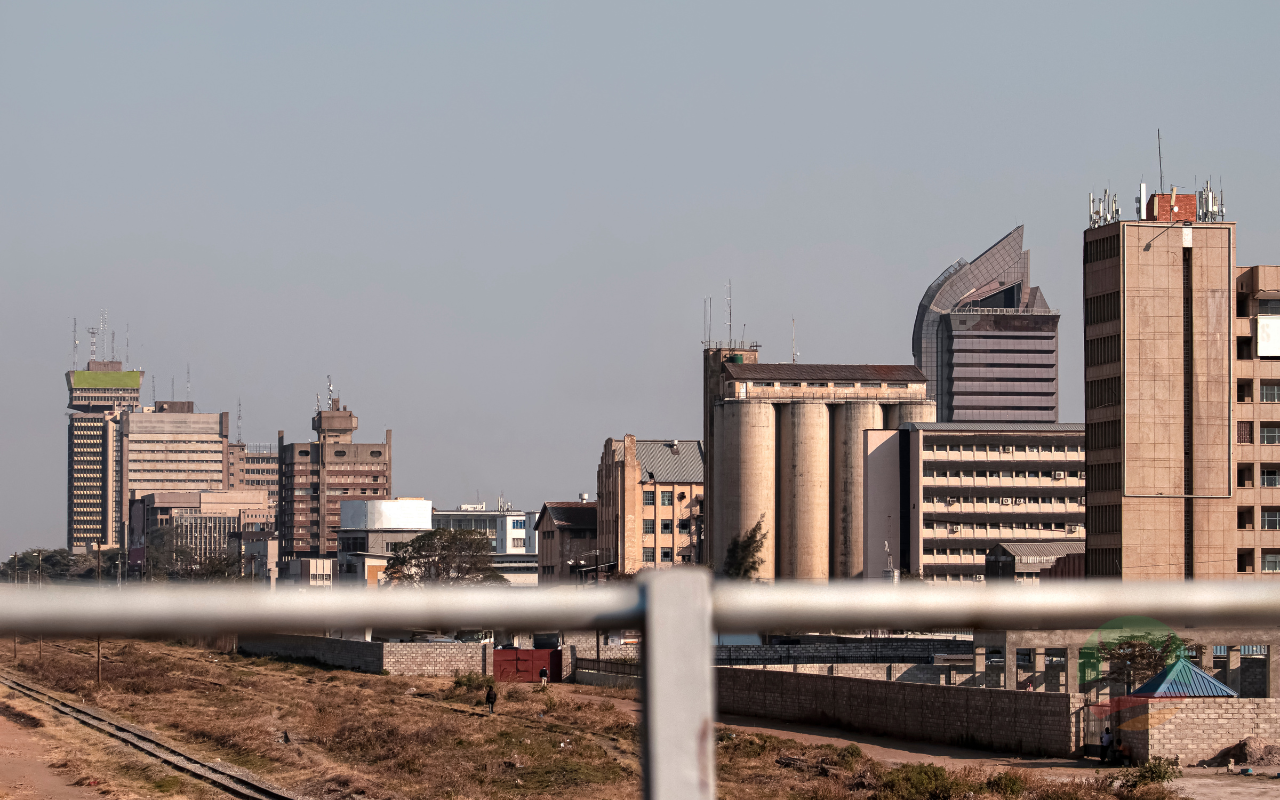
Photo: Strigoo StudiosUnsplashUnsplash License
LUSAKA, 22 JULY 2026—Updated 22 Jul 2026
LUSAKA — Zambia has doubled the capacity of its Chisamba solar plant to 200 megawatts, a second 100-megawatt phase that is the latest step in the country’s drought-driven pivot from hydropower to the sun.
The expansion matters because of what forced it. Two years of drought drained the dams that supply most of Zambia’s electricity, plunging the country into some of the worst load-shedding in its history. Every megawatt of solar added since is part of the answer to that crisis.
What was commissioned
President Hakainde Hichilema commissioned the second phase of the Chisamba solar plant on 21 July 2026, adding 100 megawatts and lifting the complex in Central Province to 200 megawatts in total, according to renewable-energy trade publication SolarQuarter. The plant sits in the Chief Chaamuka area of Chisamba District, north of Lusaka.
The project was developed by the Kariba North Bank Extension Power Corporation (KNBC), a subsidiary of the state utility ZESCO, and built by PowerChina. The 100-megawatt phase was financed with about US$71.5 million in commercial debt arranged through Stanbic Bank Zambia, with the power sold on through GreenCo Power Services. By comparison, the first phase at Chisamba was a roughly US$100 million build, so the second phase came in cheaper as well as faster.
The second phase lifts the Chisamba solar complex to 200 megawatts.
— SolarQuarter, reporting the commissioning, <a href="https://solarquarter.com/2026/07/21/zambia-expands-clean-energy-capacity-with-100-mw-chisamba-solar-plant-phase-ii/">21 July 2026</a>
The plant at a glance
Chisamba solar now stands at 200 MW after a second 100 MW phase, commissioned on 21 July 2026 in Chisamba District, Central Province. It was developed by ZESCO subsidiary KNBC, built by PowerChina, and the phase was financed with about US$71.5 million in commercial debt via Stanbic Bank Zambia, with power sold through GreenCo.
Why it matters
For most of the past two years, Zambia’s power story has been one of scarcity. The 2024 drought drove Lake Kariba’s live storage down to about 8% by August, and ZESCO began shutting its Kariba hydropower units on 14 September 2024. By early 2025, load-shedding reached as much as 21 hours a day in parts of the country — the crisis Kwacha News set out in its analysis of the El Niño risk to copper and maize. Solar is the government’s fastest lever to add supply that does not depend on rain.
Chisamba is now one of the larger grid-connected solar sites in the region, and it is the kind of build the government wants to repeat. Because a solar plant can be delivered in months rather than years, it is the quickest way to close a deficit — though solar produces only in daylight, so it complements rather than replaces the hydropower and thermal capacity Zambia still leans on after dark. That build-out sits alongside the broader infrastructure agenda Kwacha News has tracked, from the TAZARA railway recapitalisation onward.
The plant also lands three weeks before an election in which the power supply is a live issue. A government that spent 2025 explaining blackouts would rather spend the campaign commissioning plants, and Chisamba lets it do exactly that.
The financing model matters as much as the megawatts. Power from the plant is sold through GreenCo Power Services, a private trader, under an arrangement that lets the project get built without the cash-strapped utility carrying the whole cost. According to SolarQuarter, the phase was funded largely by commercial debt through Stanbic Bank Zambia rather than the public purse — a template Zambia is leaning on more heavily as it races to add supply.
Background
Zambia relies on hydropower for the bulk of its electricity, which makes the grid unusually exposed to drought. Research into the 2024–25 crisis shows how quickly low water at Kariba translated into economy-wide load-shedding, hitting mining, manufacturing and households alike. The response has been a scramble to diversify — solar, thermal and imports — of which Chisamba is among the most visible pieces.
What to watch
The signals to watch are how much of the added solar capacity actually reaches households through the grid, whether the next rainy season refills the dams, and how quickly further plants follow Chisamba. For readers, the test is simple: fewer hours of load-shedding in 2026 than in 2025. This story is part of Kwacha News’s business and economy coverage.
Frequently Asked Questions
These are the questions readers have been asking about the Chisamba solar plant. Short answers follow, drawn from trade reporting and Zambia’s recent power record.
What is the Chisamba solar plant?
In short, it is a grid-connected solar power plant in Chisamba District, Central Province, now expanded to 200 megawatts. The answer, simply put, is that a second 100-megawatt phase was commissioned on 21 July 2026. The key is that it doubles the site’s capacity.
How does the plant fit Zambia’s power plans?
Research into Zambia’s grid shows the country depends heavily on hydropower, which drought can cripple. Data from 2024–25 reveals load-shedding of up to 21 hours a day. According to the government’s response, solar is the fastest way to add supply that does not need rain.
Why is Zambia building so much solar?
The answer is that two years of drought exposed how vulnerable a hydro-dependent grid is. Evidence from Lake Kariba shows storage fell to about 8% in 2024. In other words, solar is a hedge against the next dry spell.
Who built and financed the plant?
Simply put, it was developed by KNBC, a ZESCO subsidiary, and built by PowerChina. According to SolarQuarter, the 100-megawatt phase was financed with about US$71.5 million in commercial debt through Stanbic Bank Zambia. The data shows the power is sold on through GreenCo Power Services.
What are the limits of solar for Zambia?
Analysis of the grid reveals two limits. The first is timing: research shows solar generates only in daylight, so it cannot cover the evening peak alone. The second is scale: evidence from the deficit shows one plant, however large, does not end load-shedding. Each limit is structural, not a flaw in the project.
Sources
SolarQuarter: Zambia expands clean-energy capacity with 100 MW Chisamba solar plant phase II, 21 July 2026. SolarQuarter (developer and finance detail): landmark 100 MW solar project in Chisamba, 13 April 2026. Context on Zambia’s 2024 hydropower crisis via bne IntelliNews.
More on Business & Economy

Guinea bans raw gold exports as Africa pushes local refining
Guinea has banned raw gold exports and now demands local refining, African Business reported. For Zambia, whose copper still leaves largely unprocessed, the move sharpens a long-running question about where the value is captured.

Zambia cuts fuel prices again as shop prices stay high
Zambia's Energy Regulation Board cut pump prices for a third straight month in August 2026, but transport fares and food prices remain high and non-food inflation is rising.
The Kwacha News briefing.
Business, markets and the Zambian economy — in your inbox.

