

Zambia readies FISP E-Voucher for 2026/27 season
The Ministry of Agriculture says the Farmer Input Support Programme's E-Voucher system will roll out across all 116 districts for the 2026/2027 farming season, with agro-dealer vetting and provincial training set for July 2026.
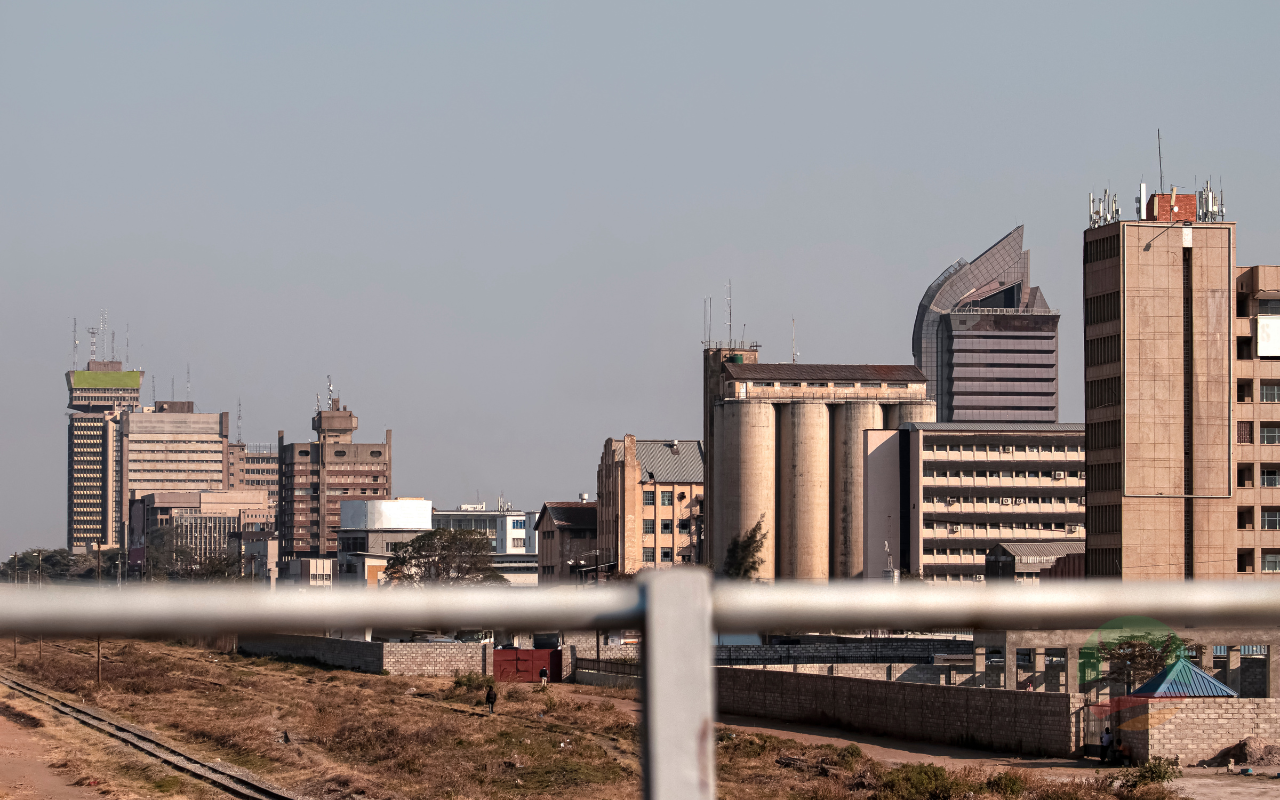
Photo: Tigana chilesheWikimedia CommonsCC BY-SA 4.0
LUSAKA, 3 JULY 2026—Updated 3 Jul 2026
LUSAKA — Zambia's Ministry of Agriculture is rolling out the Farmer Input Support Programme's E-Voucher system for the 2026/2027 season across all 116 districts, the ministry said.
The Farmer Input Support Programme, commonly known as FISP, is Zambia's flagship agricultural input subsidy scheme, helping smallholder farmers access subsidised seed and fertiliser each planting season. The E-Voucher system digitises that supply chain, letting registered farmers redeem their input allocation electronically through vetted agro-dealers rather than through paper-based distribution. This story is part of Kwacha News's business and economy coverage of the programme ahead of the new season.
Documentation is a mandatory requirement
According to the ministry, agro-dealers seeking to participate in the FISP E-Voucher supply chain must submit full and accurate documentation as a mandatory requirement for vetting, approval and participation in the programme's input supply chain. The ministry has been explicit that incomplete or incorrect submissions will not be processed, a compliance bar that applies uniformly to agro-dealers across all ten provinces.
The documentation requirement sits at the centre of the vetting process the ministry runs before any agro-dealer is admitted to the supply chain. Vetting confirms that a business is properly registered, financially sound and capable of stocking and distributing certified seed and fertiliser at the volumes FISP demands. Agro-dealers who fail to meet the documentation standard are excluded from the 2026/2027 supply chain until their paperwork is corrected and resubmitted.
Agro-dealers are required to submit full and accurate documentation as this is a mandatory requirement for vetting, approval and participation in the programme's input supply chain. Incomplete or incorrect submissions will not be processed.
— Ministry of Agriculture, <a href="https://www.agriculture.gov.zm/fisp/">FISP programme notice</a>
Snapshot — key facts: E-Voucher rollout covers all 116 districts for the 2026/2027 farming season. Agro-dealer documentation is mandatory for vetting and approval; incomplete submissions will not be processed. Training for agro-dealers and relevant officers will be communicated in July 2026 and conducted at all ten provincial headquarters, focused on systems compliance, operational procedures and improved service delivery.
Training rolls out at all ten provincial headquarters
Training dates for agro-dealers and relevant officers will be communicated in July 2026, the ministry said, with sessions conducted at all ten provincial headquarters across the country. The training programme is built around three themes: systems compliance, operational procedures and improved service delivery within the FISP E-Voucher supply chain.
Provincial delivery matters because agro-dealers and government officers administering the E-Voucher system are spread across all ten provinces, from the Copperbelt to Muchinga. Running the sessions at each provincial headquarters, rather than centralising them in Lusaka, is intended to reduce the travel burden on participating businesses and shorten the time between training and the start of distribution once the season opens.
Systems compliance training addresses how agro-dealers log redemptions, reconcile stock against the E-Voucher platform and report discrepancies. Operational procedures cover the mechanics of receiving, storing and distributing subsidised seed and fertiliser. Service-delivery training focuses on how agro-dealers interact with farmers redeeming vouchers, an area the ministry has flagged for improvement in successive seasons.
Why the input timeline draws attention
FISP timing draws public attention every planting season, because delays in input delivery can shift when smallholder farmers are able to plant and, in turn, affect yields at harvest. This season's preparations land in the run-up to Zambia's general election on 13 August 2026, a period in which agricultural input distribution typically receives heightened scrutiny from farmers, agro-dealers and political parties alike. Kwacha News is tracking the FISP rollout as part of its wider coverage of Zambia's economic policy calendar through the election period.
The ministry's published guidance does not indicate any delay to this season's programme; the vetting and training steps described above are the standard preparatory sequence FISP has followed in prior seasons, now applied to the 2026/2027 cycle. Zambia's agricultural sector remains a significant employer and contributor to rural incomes, which is why the reliability of the input supply chain carries weight beyond the farming community itself, extending into broader questions of food security and household spending that also shape investor sentiment — a dynamic Kwacha News has examined in its coverage of transparency and accountability in Zambia's extractive and public-spending sectors.
What to watch
The first thing to watch is the July 2026 communication of specific training dates, which will confirm whether the provincial sessions proceed on the timeline the ministry has set out. The second is the pace of agro-dealer vetting: how many applicants submit complete documentation on the first attempt, and how quickly the ministry processes approvals once training concludes. Data from the ministry's own reporting, when published, will show whether the 116-district target is met before the 2026/27 season's planting window opens, as the ministry readies the supply chain for the new farming year.
Analysts and farmer associations will also be watching for any gap between provincial training completion and the opening of E-Voucher redemption on the ground. Research into prior FISP seasons shows that the interval between agro-dealer certification and farmer redemption is often the most sensitive point in the supply chain, since farmers need working access to inputs early enough in the season to plant on schedule.
Frequently Asked Questions
These are the questions readers have been asking about the 2026/2027 FISP E-Voucher rollout. Short answers follow, drawn from the Ministry of Agriculture's own published guidance.
What is the Farmer Input Support Programme E-Voucher system?
In short, the FISP E-Voucher system is the digital platform through which registered smallholder farmers redeem subsidised seed and fertiliser at vetted agro-dealers. The answer, simply put, is that it replaces older paper-based distribution with an electronic record of who has redeemed what, at which agro-dealer, and when. The key is that the system depends on both farmer registration and agro-dealer vetting being complete before redemption can start.
How does agro-dealer vetting work under FISP?
Agro-dealer vetting works by requiring full and accurate documentation before an applicant can be approved to participate in the supply chain. According to the Ministry of Agriculture, incomplete or incorrect submissions will not be processed, so agro-dealers must ensure their paperwork is complete on submission. Data from the ministry's guidance shows that vetting, training and approval are sequential steps, each of which must be cleared before an agro-dealer can distribute inputs.
Why is training being held at provincial headquarters this year?
The answer is accessibility. Training is being conducted at all ten provincial headquarters, rather than a single national venue, so that agro-dealers and relevant officers across the country can attend without extended travel. According to the ministry, the sessions focus on systems compliance, operational procedures and improved service delivery — three areas that benefit from face-to-face, province-level delivery rather than a single centralised briefing.
What are the consequences of incomplete agro-dealer documentation?
In other words, an agro-dealer that submits incomplete or incorrect documentation is not processed for vetting or approval, and therefore cannot participate in the 2026/2027 FISP input supply chain. Evidence from the ministry's own notice underlines that this is a mandatory requirement, not a discretionary preference, meaning the compliance bar applies equally to every applicant regardless of size or location.
Which districts and provinces are covered by the 2026/2027 rollout?
The answer is all of them. The E-Voucher rollout for the 2026/2027 farming season covers all 116 districts of Zambia, and training for agro-dealers and relevant officers is being conducted at all ten provincial headquarters. Research into the programme's structure shows this national scope is consistent with FISP's role as Zambia's flagship agricultural input subsidy programme, designed to reach smallholder farmers across every province rather than a subset of high-production areas.
Sources
Ministry of Agriculture: Farmer Input Support Programme (FISP) and agriculture.gov.zm, the ministry's official website, for full programme guidance and updates on training dates.
More on Business & Economy

Guinea bans raw gold exports as Africa pushes local refining
Guinea has banned raw gold exports and now demands local refining, African Business reported. For Zambia, whose copper still leaves largely unprocessed, the move sharpens a long-running question about where the value is captured.

Zambia cuts fuel prices again as shop prices stay high
Zambia's Energy Regulation Board cut pump prices for a third straight month in August 2026, but transport fares and food prices remain high and non-food inflation is rising.
The Kwacha News briefing.
Business, markets and the Zambian economy — in your inbox.

