

Two campaign killings draw presidential rebuke in Zambia
A driver for an independent candidate in Mazabuka and a supporter in Kaputa were killed within a week; police pledge impartial investigations six weeks before the 13 August vote.
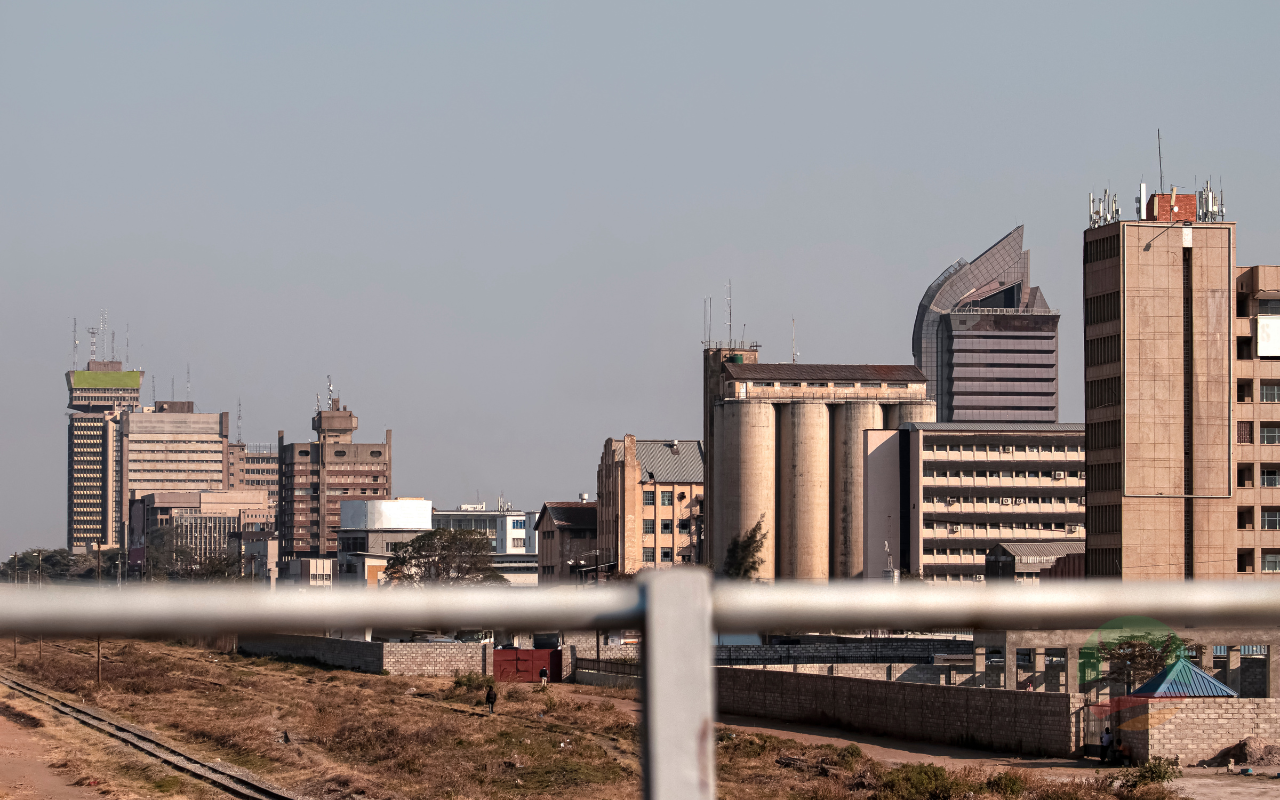
Photo: Jennifer Coffin-GreyUnsplashUnsplash License
LUSAKA, 2 JULY 2026—Updated 2 Jul 2026
LUSAKA — The killing of two people in separate incidents within a week is a sharp escalation of campaign-period violence in Zambia six weeks before the 13 August general election.
The South African public broadcaster Channel Africa reported on 1 July 2026 that a driver working for an independent parliamentary candidate was killed in Mazabuka, in Southern Province, and that a party supporter died in a separate incident in Kaputa, in Northern Province. The two deaths sharpen concern about safety in the closing stretch of the campaign. President Hakainde Hichilema responded by directing security agencies to investigate and by appealing for calm ahead of the vote.
The key facts
A driver working for an independent parliamentary candidate was killed in Mazabuka overnight between about 29 and 30 June 2026; police, through Inspector General Graphel Musamba, confirmed the killing and said investigations are ongoing, with no arrest announced. In a separate incident in Kaputa on 29 June, a party supporter was killed and police said 10 suspects were detained. President Hakainde Hichilema condemned both killings on 1 July 2026.
Officers who attended the Mazabuka scene found the body with a deep neck wound, and the body was taken to Mazabuka General Hospital mortuary for a post-mortem, the South African public broadcaster Channel Africa reported. Police, through Inspector General Graphel Musamba, said investigations are ongoing to arrest those responsible. No arrest has been announced in the Mazabuka case.
The deceased driver is named in reports as Stanley Sakala, driver to Confucious Mweene, the independent aspiring member of parliament for Magoye East. The reporting attributes the name to reports rather than to a police charge. Kwacha News has, in its coverage of the European Union election observation mission in Zambia, tracked how monitors weigh exactly this kind of campaign-period incident.
The Kaputa death occurred on 29 June amid clashes between rival supporters, and police said 10 suspects were detained, the South African public broadcaster Channel Africa reported. The figure of 10 detained applies only to the Kaputa case; police announced no arrest in the Mazabuka case. The full account of both incidents appears in the Channel Africa report on the fatal campaign violence, 1 July 2026.
President Hakainde Hichilema publicly condemned the killings on 1 July 2026 and directed security agencies to investigate and bring perpetrators to justice, according to Channel Africa. The President tied the appeal to the 13 August 2026 vote. The statement was rendered by the South African public broadcaster rather than fetched from a State House page.
without fear or favour
— President Hakainde Hichilema, in a statement on the killings, via <a href="https://www.channelafrica.co.za/channelafrica/news/zambia-election-campaigns-hit-by-fatal-political-violence/">Channel Africa, 1 July 2026</a>
Why the killings matter for the campaign
The killings land in the final weeks of a contest the Electoral Commission of Zambia governs through a code of conduct. Two deaths in a week raise the stakes of enforcement, because a campaign period judged violent can erode confidence in the result. President Hakainde Hichilema framed the response as a test of impartial policing.
The election-integrity watchdog the GEARS Initiative, through Patrick Kaumba, reacted by urging parties to compete on ideas rather than on force, the South African public broadcaster Channel Africa reported. The intervention reflects a wider concern that clashes between rival supporters can spread if left unchecked in the closing weeks. Police, through Inspector General Graphel Musamba, cast the investigations as a signal that the law applies evenly to every party. The GEARS Initiative framed the appeal as a call on candidates and their agents alike.
Background
Campaign-period violence in Mazabuka predates the driver's killing. The Electoral Commission of Zambia previously suspended campaigns in Mazabuka Central over security fears, part of the official record on the constituency. Inspector General Graphel Musamba on 10 June ordered provincial commanders to arrest and prosecute perpetrators of electoral violence. That directive to provincial commanders came ahead of the two killings the South African public broadcaster Channel Africa reported on 1 July 2026.
The presidential response follows peace messaging the President set out earlier in the cycle, which Kwacha News examined in its report on President Hichilema's launch of the 2026 re-election bid. The rules that bind every candidate are set out in Kwacha News's guide to the 2026 presidential race and its campaign rules. This account forms part of Kwacha News's politics coverage.
What to watch
The immediate marker is whether police, through Inspector General Graphel Musamba, announce any charge in the Mazabuka case, where no arrest has yet been announced, and how the 10 detained in Kaputa are processed. The wider marker is the 13 August 2026 general election and whether the Electoral Commission of Zambia keeps campaigns running in constituencies touched by violence, having already suspended them once in Mazabuka Central. A post-mortem on the Mazabuka driver is the next step police cited to the South African public broadcaster Channel Africa.
Sources
The account in this report draws on the Channel Africa report, "Zambia election campaigns hit by fatal political violence," 1 July 2026, carrying on-record statements from police, through Inspector General Graphel Musamba, from President Hakainde Hichilema, and from the GEARS Initiative. Related Kwacha News reporting on the European Union election observation mission provides context on monitoring.
Frequently Asked Questions
The questions below summarise what the South African public broadcaster Channel Africa and named officials have said about the two killings and the run-up to the 13 August 2026 vote. Each answer states only what has been attributed on the record.
What is the state of the police investigation?
In short, police, through Inspector General Graphel Musamba, confirmed the Mazabuka killing and said investigations are ongoing to arrest those responsible, according to Channel Africa. Police announced no arrest in the Mazabuka case. In the separate Kaputa incident, police said 10 suspects were detained.
How does this affect the 13 August election?
The answer is that the killings landed roughly six weeks before Zambia's 13 August 2026 general election, a period the Electoral Commission of Zambia governs through a code of conduct. Data on campaign-period incidents shapes how observers and the Electoral Commission judge whether the vote is peaceful. President Hakainde Hichilema tied an appeal for calm directly to the ballot.
Why is campaign violence a concern in Zambia?
The key is that campaign violence can suppress turnout and undermine confidence in results, evidence international observers weigh closely. The record shows the Electoral Commission of Zambia previously suspended campaigns in Mazabuka Central over security fears. Analysis of the sequence shows campaign-period violence in Mazabuka predates the driver's killing.
Who condemned the killings?
In other words, President Hakainde Hichilema publicly condemned the killings on 1 July 2026 and directed security agencies to act, according to Channel Africa. The election-integrity watchdog the GEARS Initiative, through Patrick Kaumba, also reacted, urging parties to compete on ideas. Both interventions were reported by the South African public broadcaster.
What are the rules on campaign conduct?
Analysis of Zambia's electoral framework shows campaigning is governed by a code of conduct that the Electoral Commission of Zambia enforces. Research into the current cycle reveals the Electoral Commission had already suspended campaigns in one constituency over security fears. Inspector General Graphel Musamba earlier ordered provincial commanders to arrest and prosecute perpetrators of electoral violence.
More on Politics

Hichilema wins Zambia's 2026 election for a second term
Zambia's Electoral Commission has declared Hakainde Hichilema president-elect for a second term with about 61 per cent of the vote, over Brian Mundubile's 38 per cent, as the opposition rejects the count.

Press freedom groups urge Zambia to keep the internet on
The Committee to Protect Journalists and the #KeepItOn Coalition urged Zambian authorities and telecoms operators to keep internet access open through the 13 August election, as Amnesty International called for a detained journalist's release.
The Kwacha News briefing.
Business, markets and the Zambian economy — in your inbox.

