

EU to send more than 70 observers to Zambia August election
The European Union will deploy its sixth observation mission to Zambia for the 13 August general election, led by Irish MEP Michael McNamara at Lusaka's invitation.
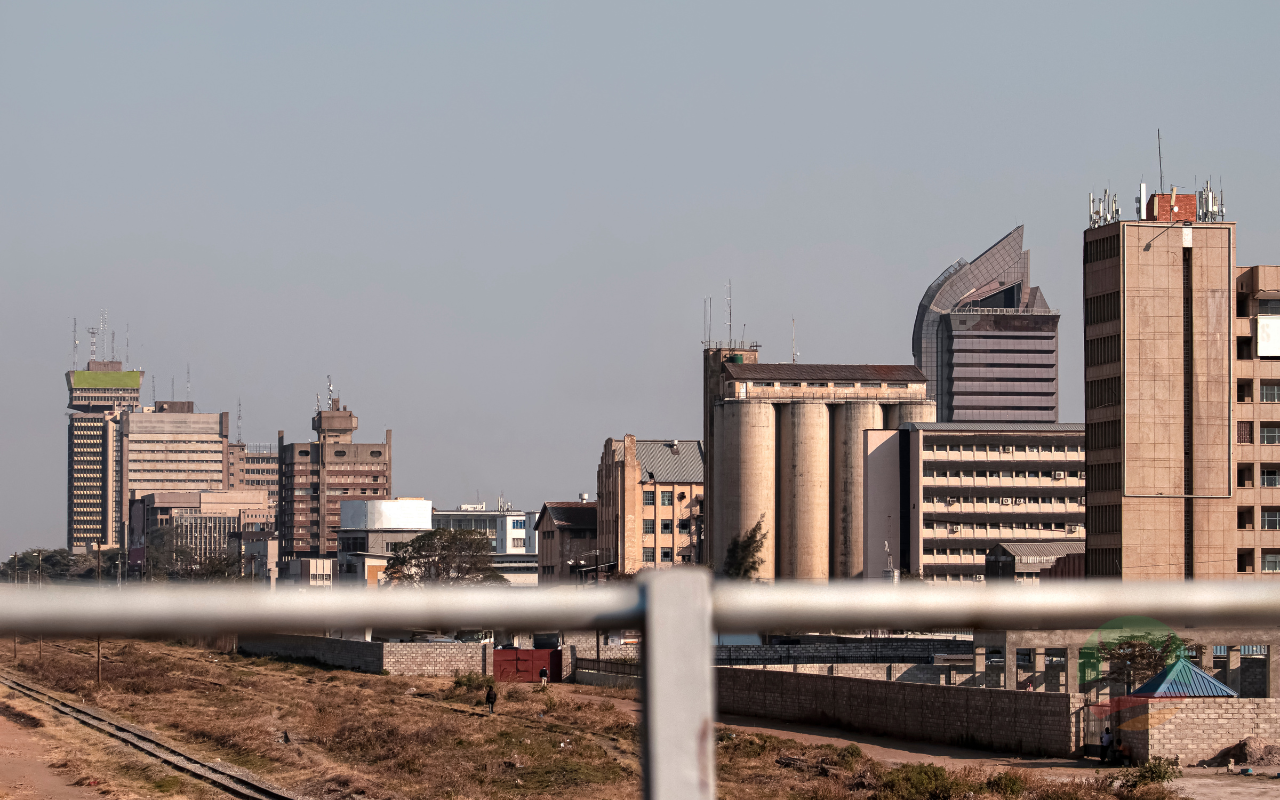
Photo: European UnionwikipediaPublic domain
LUSAKA, 25 JUNE 2026—Updated 25 Jun 2026
LUSAKA — The European Union is sending more than 70 observers to Zambia, a deployment that means independent international scrutiny of the 13 August general election.
The European External Action Service, the diplomatic arm of the European Union, announced the mission on Wednesday 24 June. The deployment follows a formal invitation from the Zambian government and is the sixth EU observation mission in the country.
It lands at a charged moment. Fourteen candidates are cleared for a presidential contest widely read as tight, and the result will decide whether President Hakainde Hichilema wins a second term. A team of foreign observers raises the cost of any irregularity and gives the eventual winner an external benchmark to point to.
Who is coming, and when
The mission is led by Michael McNamara, an Irish member of the European Parliament who sits with the Renew Europe group. McNamara takes the role of chief observer and will front the EU's public assessment of the vote.
The structure is standard for an EU mission of this size. A core team of 11 election experts is based in Lusaka, covering legal affairs, media monitoring, data analysis and political reporting. Thirty-two long-term observers fan out across the provinces, and another 32 short-term observers arrive around polling day.
At a glance: more than 70 EU observers; a core team of 11 in Lusaka; 32 long-term and 32 short-term observers; deployment from mid-July; a preliminary statement on 15 August. It is the EU's sixth mission to Zambia.
Long-term observers deploy from mid-July, several weeks before the 13 August election, to watch the campaign, voter registration and the work of the electoral administration. Short-term observers concentrate on voting, counting and the tabulation of results.
What the mission assesses
An EU mission does not certify a vote as free or fair in a single verdict. It measures the process against Zambia's own laws and against regional and international standards, then reports what it finds.
The mandate is broad. The EEAS says the mission will look at the legal framework, election administration, voter registration, candidate nomination, campaign conduct, the participation of women and marginalised groups, the conduct of traditional and online media, and the counting and tabulation of results.
Online media carries particular weight this year. The Electoral Commission of Zambia has repeatedly urged voters to verify posts before sharing them, and the authorities have warned against doctored material circulating online. How rumour and fabricated content move through the campaign is now part of what observers track.
Lusaka's relations with the EU have improved markedly since President Hakainde Hichilema came to power in 2021.
— European External Action Service, <a href="https://agenceurope.eu/en/bulletin/article/13895/41/eu-to-deploy-election-observation-mission-for-august-2026-presidential-election">statement on the Zambia observation mission, 24 June 2026</a>
Why the EU is watching
The mission is also a measure of Brussels' growing stake in Zambia. The EEAS notes that ties with Lusaka have improved markedly since Hichilema took office in 2021, after a stretch of strained relations under the previous administration.
Copper sharpens that interest. Europe is courting suppliers of the metals its energy transition needs, and the Copperbelt sits at the centre of Zambia's pitch as a stable source. A smooth, credible election helps the case that the country is a dependable partner for long-term investment.
There is recent history of foreign observers shaping how a Zambian result is received. Hichilema himself has pledged a peaceful and credible vote, and the presence of an EU team gives that promise an outside check. The bigger picture is set out in Kwacha News coverage of the president's pledge of a peaceful 13 August election.
The race the observers will watch
The 13 August ballot is the closing act of a long, contested campaign. The field, the eligibility fights and the fifty-percent-plus-one rule are laid out in Kwacha News coverage of the 14 candidates and the rules of the 13 August race.
The campaign has already drawn legal warnings over the official timetable and pushback from opposition parties, tensions traced in reporting on the ECZ campaign timetable and the legal pushback it drew. Those disputes are exactly the kind of friction an observation mission is built to document.
The deployment is not the EU's first in Zambia. By the EEAS's own count it is the sixth, a run that stretches back across several election cycles and lends the mission institutional memory of how the country votes.
What to watch
The first marker is the preliminary statement. The EEAS says the mission will hold a press conference on 15 August, two days after the vote, setting out an early read on whether the election met the standards the EU measures against.
A second statement follows if no candidate clears 50 percent and the presidential race goes to a run-off, which the constitution allows within 37 days of polling day. For Zambians, the value is practical: a credible outside verdict can steady confidence in the kwacha, in the markets and on the streets if the count is close.
Readers can follow the full picture through Kwacha News Zambian politics coverage as the 13 August vote approaches.
Frequently Asked Questions
What is the EU election observation mission to Zambia?
In short, it is an independent team the European Union deploys to watch an election and report on whether it meets national, regional and international standards. According to the EEAS, the mission for the 13 August 2026 vote is the EU's sixth in Zambia and follows a formal invitation from the government in Lusaka.
How many observers is the EU sending to Zambia?
The answer is more than 70. EEAS figures show a core team of 11 election experts based in Lusaka, 32 long-term observers spread across the country and 32 short-term observers who arrive around polling day, for a total of about 75 personnel.
Who is leading the EU mission, and how does it deploy?
Simply put, the chief observer is Michael McNamara, an Irish member of the European Parliament who sits with the Renew Europe group. Data from the EEAS shows long-term observers deploy from mid-July 2026, with short-term observers joining shortly before the 13 August election.
Why is the EU observation mission important for Zambia?
The key is legitimacy. Analysis of past African polls shows a credible international assessment can strengthen confidence in a tight result, while a critical report can sharpen disputes; the EEAS says relations with Lusaka have improved markedly since 2021, and EU interest in the Copperbelt is rising.
When will the EU mission publish its findings on the vote?
In other words, not all at once. The EEAS says the mission will issue a preliminary statement and hold a press conference on 15 August 2026, two days after the vote, with a second statement to follow if the presidential race goes to a run-off within 37 days of polling day.
Sources
More on Politics

Hichilema wins Zambia's 2026 election for a second term
Zambia's Electoral Commission has declared Hakainde Hichilema president-elect for a second term with about 61 per cent of the vote, over Brian Mundubile's 38 per cent, as the opposition rejects the count.

Press freedom groups urge Zambia to keep the internet on
The Committee to Protect Journalists and the #KeepItOn Coalition urged Zambian authorities and telecoms operators to keep internet access open through the 13 August election, as Amnesty International called for a detained journalist's release.
The Kwacha News briefing.
Business, markets and the Zambian economy — in your inbox.

