

How the visa industry profits from African applicants
A handful of outsourcing firms now run the front desk of global migration. Their profits have soared on fees that African travellers — Zambians among them — pay whether or not they are ever let in.
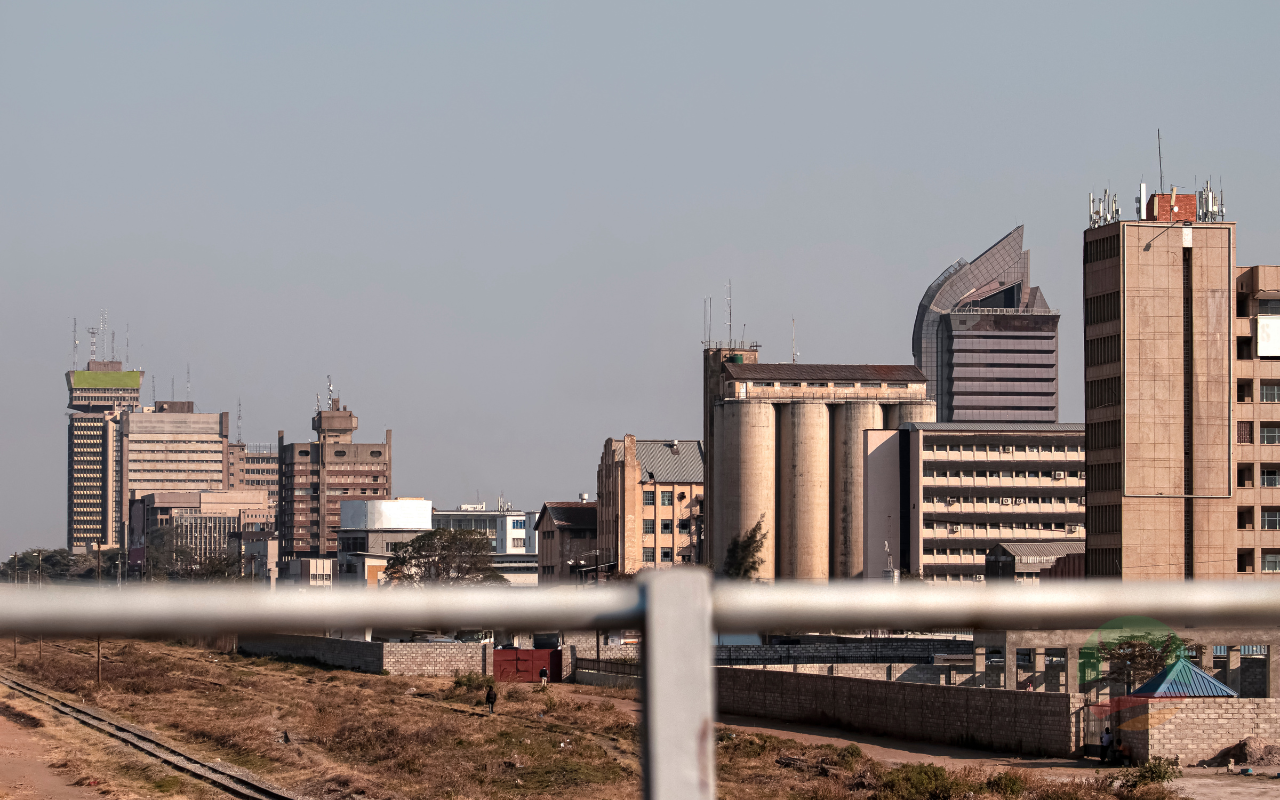
Photo: Suyash DwivediwikidataCC BY-SA 4.0
LUSAKA, 3 JUNE 2026—Updated 20 Jun 2026
Analysis
The business of processing visa applications is now a profit engine, and the travellers who pay most into it are the Africans least likely to be approved.
For a Zambian applying to visit Europe or Britain — for business, study or a family wedding — the journey rarely starts at an embassy. It starts at an outsourced application centre, where fees are paid up front and refunded to no one if the answer is no. That structure means African applicants help fund an industry that often turns them away. The pattern sits alongside a broader shift Kwacha News has covered in the recalibration of United States engagement with Africa.
At the centre of the business is VFS Global, majority-owned by the United States asset manager Blackstone. The firm is the largest processor of visa applications for the European Union and the United Kingdom, holding contracts with 71 governments and running centres in more than 160 countries across Africa, Asia and the Middle East. When a government outsources the paperwork of who may cross its border, VFS Global is most often the company on the other side of the counter.
The economics are striking. Research by Semafor shows the firm's operating profit rose fourfold between 2017 and 2024, to €172 million — about $200 million — even though the number of applications grew just 15% over the same period. The company processed roughly 26 million people in 2024, and its revenue per application has climbed 41% since before the pandemic. The upshot: the money is made not by handling more travellers, but by extracting more from each one.
Much of that extra revenue comes from so-called value-added services — priority appointments, courier returns, lounge access, form-filling help — sold on top of the official visa fee. An investigation by Lighthouse Reports described a system of aggressive, at times dishonest, upselling. In one two-week stretch in 2025, optional services sold on African and Asian applicants for Swedish visas alone made up close to a third of the agency's revenue. What this means: the people with the least leverage are pitched the most add-ons.
Layered on top are the official fees, which keep rising. The European Union lifted its visa application fee by 12.5% in 2024, a charge levied regardless of outcome and despite rejection rates that fall hardest on African passports. The read here: an applicant from Lusaka or Lagos pays the fee, pays the service charges, and still faces a higher chance of refusal than an applicant from a wealthier country — with none of it returned if the visa is denied.
VFS Global's operating profit rose fourfold to €172 million between 2017 and 2024, even as application volumes grew just 15% — with African and Asian applicants a core source of the gains.
— Drawn from Semafor's reporting on the visa-processing business
Snapshot: VFS Global — majority-owned by Blackstone — is the top visa processor for the EU and UK, with contracts across 71 governments and 160-plus countries. Its operating profit quadrupled to €172m ($200m) by 2024 while applications rose only 15%; revenue per application is up 41% since pre-pandemic. The EU raised its visa fee 12.5% in 2024 despite high African rejection rates. Fees and add-ons are non-refundable — paid by Zambian and other African applicants whether or not they are approved.
Why this reaches Zambia
Zambian passport holders sit on the wrong side of this market. Travel to the Schengen area, the United Kingdom or the United States routes through the same outsourced centres, the same up-front fees and the same elevated refusal odds that African applicants face everywhere. For a small trader chasing a supplier deal, a student with a place at a foreign university, or a family trying to attend a funeral abroad, the cost is not only the money but the uncertainty — a non-refundable bet on a decision made by someone else.
The macro picture compounds it. Money spent on rejected applications is, in effect, a transfer from African households to a processing industry and to the treasuries that keep the fees. It is the mirror image of the remittances that flow the other way, from the diaspora back home. Restricted, expensive mobility also raises the cost of doing business internationally — every deal that needs a face-to-face meeting carries a visa tax and a visa risk.
None of this is unique to Zambia, which is the point. The friction is structural, built into how rich countries have chosen to manage their borders: outsource the queue, charge for the privilege, and let the applicant carry the risk. Reducing it is less about any single embassy than about the terms on which the whole system operates — terms African governments have limited leverage to change. Kwacha News has reported on the regional dimension of mobility in its coverage of migration tensions within Southern Africa.
What to watch
The first marker is transparency. Analysis of the visa-processing business shows the add-on revenue is where the profit hides; evidence from investigations reveals applicants are often steered into optional services they do not need. Data on fee structures demonstrates that clearer, itemised pricing would shift bargaining power back toward the traveller.
The second marker is reciprocity and reform. Research on mobility shows African governments have pushed, through the African Union, for fairer visa terms and lower friction. Whether that translates into cheaper, refundable or higher-success processes is the open question. This piece is part of Kwacha News's continuing business and economy coverage of how global systems price Zambian participation.
Frequently Asked Questions
These are the questions readers have raised about the visa-processing business and what it costs African travellers. Short answers follow, drawn from reporting by Semafor, Lighthouse Reports and Al Jazeera.
What is the visa-processing industry?
In short, it is the business of handling visa applications on behalf of governments, dominated by outsourcing firms. The answer, simply put, is that companies like VFS Global run the application centres where travellers submit documents and pay fees. The key is that the work of border admission has become a private, fee-charging industry.
How profitable is it?
Research by Semafor shows VFS Global's operating profit rose fourfold to €172 million between 2017 and 2024, while application volumes grew just 15%. Data reveals revenue per application is up 41% since before the pandemic. In other words, the industry earns more from each applicant, not from serving many more of them.
Why does it hit African applicants hardest?
According to investigations, African applicants face higher rejection rates yet pay non-refundable fees and are heavily upsold value-added services. Evidence from Lighthouse Reports shows optional-service revenue on African and Asian applicants can reach a third of the take. The answer is that those with the least leverage carry the most cost and risk.
What does it mean for Zambians?
Data shows Zambian travellers route through the same outsourced centres and elevated refusal odds when applying for Schengen, UK or US visas. The key is that fees are paid whether or not a visa is granted. Simply put, it raises the cost and uncertainty of study, business and family travel abroad.
Can anything change it?
Analysis shows reform would mean clearer pricing, refundable or lower fees, and fairer success rates — areas where African governments have limited leverage. Evidence from the African Union's mobility agenda reveals continued pressure for better terms. In other words, change depends on the rules of the system, not on any single embassy.
Sources
Semafor: Blackstone's VFS banks mega profits on African visa applicants. Lighthouse Reports: The Visa Empire — Borders as a Business. Al Jazeera: Inside the billion-dollar business of getting a visa. Company scale via VFS Global.
More on Business & Economy

Guinea bans raw gold exports as Africa pushes local refining
Guinea has banned raw gold exports and now demands local refining, African Business reported. For Zambia, whose copper still leaves largely unprocessed, the move sharpens a long-running question about where the value is captured.

Zambia cuts fuel prices again as shop prices stay high
Zambia's Energy Regulation Board cut pump prices for a third straight month in August 2026, but transport fares and food prices remain high and non-food inflation is rising.
The Kwacha News briefing.
Business, markets and the Zambian economy — in your inbox.

