

UPND Alliance grows to 15 parties before August vote
The governing UPND Alliance says it has grown to 15 member parties after admitting five more, as President Hakainde Hichilema consolidates support ahead of the 13 August general election.
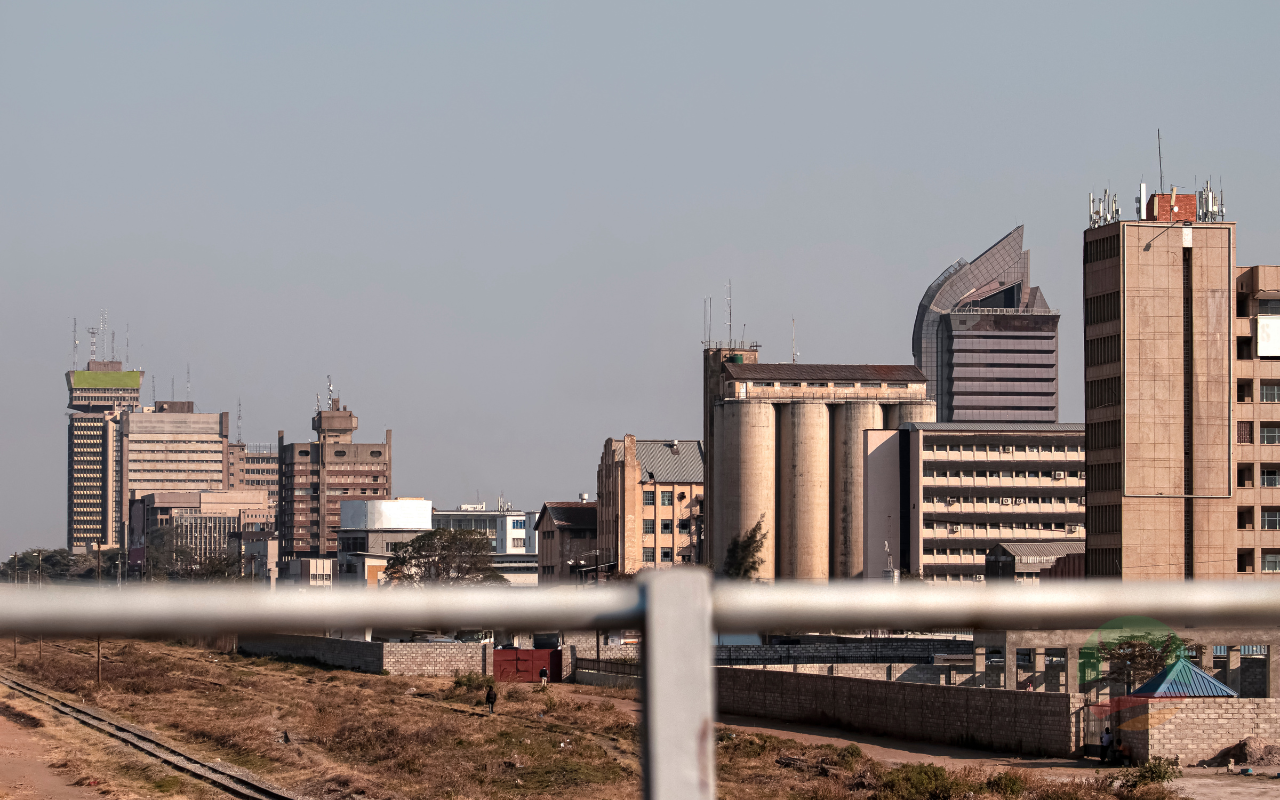
Photo: ZANISzanisGovernment of Zambia — editorial use
LUSAKA, 12 JUNE 2026—Updated 8 Jul 2026
LUSAKA — The governing UPND Alliance has grown to 15 parties after admitting five more, an expansion that represents the ruling bloc consolidating support before the August election.
The move matters because it sharpens the contrast at the heart of the 2026 race: a ruling party gathering smaller parties under one banner while the opposition stays split across rival alliances, court cases and competing candidacies. Alliance chairperson Charles Milupi announced the five new members, putting the coalition at 15 parties as the campaign builds toward the vote.
Milupi said the growing number of parties joining reflects rising confidence in President Hakainde Hichilema’s leadership and development agenda, while support for those opposed to the governing party is steadily thinning. He framed the expansion as evidence of momentum behind the United Party for National Development (UPND) ahead of polling day.
Zambia goes to the polls on 13 August 2026 to elect a president, members of the national assembly, councillors and council chairs, according to the record of the 2026 general election. This story is part of Kwacha News’s continuing politics coverage.
What was announced
The headline is the number. Alliance chairperson Charles Milupi said five more parties had joined, taking the UPND Alliance to 15 members. The announcement is the latest in a steady accretion of small parties to the governing coalition over the campaign.
Milupi cast the growth as a verdict on the government’s record, saying the parties were drawn by confidence in Hichilema’s leadership and his development agenda. The chairperson’s message was one of momentum: a widening tent on one side, a narrowing base on the other.
Hichilema, for his part, has thanked alliance partners and ordinary citizens who have publicly backed his candidature ahead of the August vote. The expansion folds more parties — and their pockets of support — into a single campaign structure built around the president’s re-election bid.
General elections are due to be held in Zambia on 13 August 2026 to elect a president, members of the national assembly, councillors and council chairs.
— Record of the <a href="https://en.wikipedia.org/wiki/2026_Zambian_general_election">2026 Zambian general election</a>
Snapshot: The governing UPND Alliance has grown to 15 parties after admitting five more, Alliance chairperson Charles Milupi announced, framing the expansion as confidence in President Hakainde Hichilema ahead of the 13 August 2026 general election. The opposition remains fragmented across rival alliances, court battles and competing candidacies. The vote will choose a president, MPs, councillors and council chairs.
Background
Coalition-building has been a defining feature of the 2026 cycle. The UPND Alliance is a grouping of parties aligned behind Hichilema, and its steady growth is a deliberate strategy: pull smaller parties and their regional support into one structure rather than face them as rivals. The Africa Center for Strategic Studies has tracked the contest in its spotlight on Zambia’s 2026 election.
The opposition has moved the other way. Where the governing side consolidates, the parties ranged against it remain split across several alliances and burdened by court battles and competing candidacies — a fragmentation that works to the incumbent’s advantage. Kwacha News has reported on that realignment, including the parties endorsing Hichilema ahead of 2026.
The mechanics of the race add their own pressure. Decisions over candidate adoptions and withdrawals shape who actually appears on the ballot, a process Kwacha News set out in its explainer on candidate withdrawal in the Zambian election. Each party that joins the alliance brings questions about which of its candidates stand, and where they stand down.
What to watch
The first thing to watch is whether the alliance holds together through candidate selection. Coalitions are easy to announce and hard to manage, so the test is whether 15 parties can agree on who contests which seats without defections.
The second is the opposition’s response. The governing side’s consolidation is most powerful against a divided field, so the signal will be whether opposition parties unite or stay fragmented as nominations close.
The third is turnout and credibility. The decision point that matters most is 13 August itself, and between now and then the question is whether the campaign stays peaceful and the contest is seen as fair. A broad alliance wins little if the result is contested.
Frequently Asked Questions
These are the questions readers have been asking about the UPND Alliance. Short answers follow, drawn from the announcement and the record of the 2026 election.
What is the UPND Alliance?
In short, the UPND Alliance is a coalition of parties aligned behind President Hakainde Hichilema and the governing United Party for National Development. The answer, simply put, is that it has grown to 15 member parties after admitting five more. The key is that it gathers smaller parties into a single campaign structure.
Why is the alliance expanding now?
The answer is the approaching election. According to chairperson Charles Milupi, the data of new members reflects confidence in Hichilema’s leadership, and the expansion consolidates support before the 13 August vote. The key is that consolidation is most useful against a divided opposition.
How does the growth affect the 2026 election?
Simply put, it strengthens the incumbent’s hand. Analysis of the contest shows the opposition remains fragmented across rival alliances and court battles, so a widening governing coalition sharpens the asymmetry. The key is whether 15 parties can agree on candidates without splitting.
Which parties make up the alliance?
According to the announcement, the answer is 15 parties in total, after five more were admitted. The evidence shows the alliance has grown steadily through the campaign as small parties align behind the governing UPND.
Who is the UPND Alliance chairperson?
The answer is Charles Milupi, who announced the latest additions. Research on the coalition shows the chairperson speaks for the alliance, and Milupi framed the growth as confidence in President Hichilema ahead of the August election.
Sources
Record of the 2026 Zambian general election and the UPND Alliance. Africa Center for Strategic Studies: spotlight on Zambia’s 2026 election. Kwacha News coverage: parties endorsing Hichilema and the candidate-withdrawal explainer.
More on Politics

Hichilema wins Zambia's 2026 election for a second term
Zambia's Electoral Commission has declared Hakainde Hichilema president-elect for a second term with about 61 per cent of the vote, over Brian Mundubile's 38 per cent, as the opposition rejects the count.

Press freedom groups urge Zambia to keep the internet on
The Committee to Protect Journalists and the #KeepItOn Coalition urged Zambian authorities and telecoms operators to keep internet access open through the 13 August election, as Amnesty International called for a detained journalist's release.

The burial row that made the Zambian election a contest
Edgar Lungu died in June 2025 and was not buried for more than a year while his family and the Zambian state fought through the South African courts. The dispute shadowed the campaign and, the BBC reported, turned an expected walkover into a contest.
The Kwacha News briefing.
Business, markets and the Zambian economy — in your inbox.