

What happens when a Zambian election candidate withdraws?
Withdrawals have become a recurring theme before the 13 August vote. Here is how the rules work — deadlines, forfeited fees, and when a fresh nomination follows.
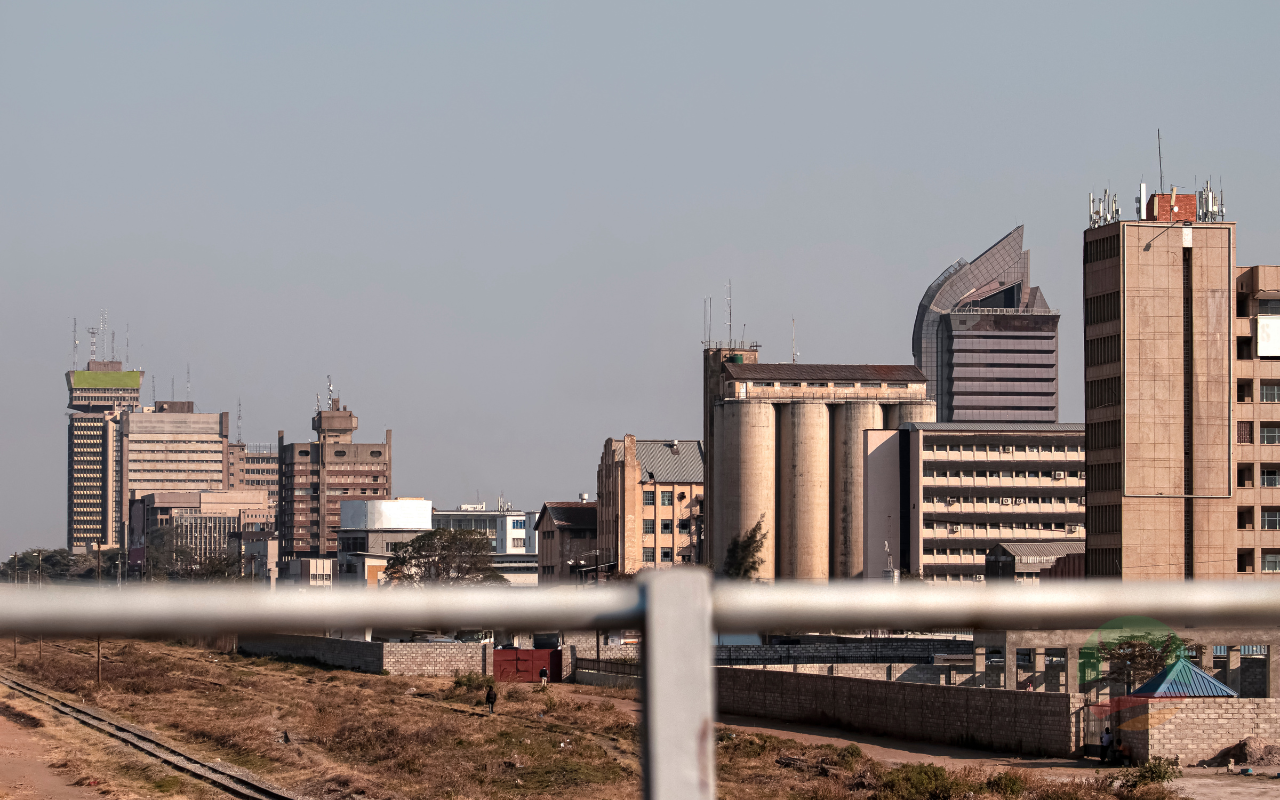
Photo: ZANISzanisGovernment of Zambia — editorial use
LUSAKA, 1 JUNE 2026—Updated 20 Jun 2026
When a candidate withdraws from a Zambian election, timing is everything: pull out before the deadline and the name comes off the ballot, but the nomination fee is forfeit and a fresh contest can follow.
Withdrawals have become a talking point ahead of the 13 August general election, raised as a sign of pressure, pacts and disqualifications reshaping the field. The mechanics, though, are set by law and administered by the Electoral Commission of Zambia.
How withdrawal works
Candidacy in Zambia runs through a nomination process: aspirants file papers and pay a nomination fee to the Electoral Commission of Zambia within a set window. Withdrawal is the act of formally pulling those papers. Whether it removes a name from the ballot depends on when it happens — before ballots are printed, the slot can be cleared; after, the name may remain even if the candidate has stepped back.
The nomination fee is generally not refunded, so withdrawal carries a cost. Kwacha News reported one high-profile case when a sitting MP withdrew from a parliamentary race, and has tracked how the ECZ has managed the calendar, including when it extended the nomination window.
Nominations for the 13 August general election are administered by the Electoral Commission of Zambia under the Electoral Process Act, which sets the deadlines and fees that govern candidacy.
— Electoral Commission of Zambia, <a href="https://www.elections.org.zm/">2026 general election framework</a>
Why it is an issue now
In a tight, crowded field, who stays and who goes shapes the result. Withdrawals can reflect alliances forming, candidates being leaned on to clear a path, or disqualifications on technical grounds. Each one changes the arithmetic in a constituency or ward, which is why the pattern is read as a barometer of the campaign — a theme running through Kwacha News's Politics coverage alongside the media rules set by the broadcasting regulator, which recently issued election content guidance.
Withdrawal, in brief — Nomination: filing papers and paying a fee to the ECZ within a set window. Withdrawal: formally pulling those papers. Timing: before ballot printing, the slot can be cleared; after, the name may stay. The fee: generally forfeit. The knock-on: a fresh nomination or by-election in some races.
Who it affects
Voters lose a choice, sometimes after ballots are already printed with the name on them. Parties must recalculate where to spend effort. Rivals may inherit support, or face a tougher contest if the withdrawal consolidates an opponent's base. And the candidate forfeits the fee and, often, the deposit of credibility that comes with seeing a race through.
The bigger picture
A run of withdrawals is not automatically a problem — fields narrow in every election. It becomes one if candidates are pressured out, or if the process is uneven. That is why the ECZ's handling of deadlines and disputes matters as much as any single name, and why observers watch the pattern closely in the weeks before a vote.
Frequently Asked Questions
These are the questions readers ask about candidate withdrawals. Short answers follow, drawn from the rules the Electoral Commission of Zambia administers.
What is a candidate withdrawal?
In short, it is a candidate formally pulling their nomination papers before an election. The answer, simply put, is stepping out of a race after entering it.
How does withdrawal work in Zambia?
The process shows it runs through the Electoral Commission of Zambia under the Electoral Process Act. According to the rules, timing decides whether the name leaves the ballot, and the nomination fee is generally forfeit.
Why is it a major election issue in 2026?
The key is what withdrawals signal. Evidence from the campaign shows they can reflect alliances, pressure or disqualifications, each reshaping a constituency before 13 August.
Who is affected when a candidate withdraws?
In other words, voters, parties and rival candidates. Research on elections shows the arithmetic shifts in every affected race, sometimes after ballots are printed.
What are the consequences of withdrawing?
Analysis of the rules shows the candidate forfeits the fee, the ballot may still carry the name, and a fresh nomination or by-election can follow. The answer is that withdrawal is rarely cost-free.
Zambia's recent elections have seen the courts weigh in repeatedly on who qualifies to stand, so withdrawal sits alongside disqualification and petition as one of several ways a name leaves a race. For voters, the practical effect is the same: the field they were promised is not always the field they get on polling day, which is why the Electoral Commission of Zambia publishes final candidate lists close to the vote. Independents and party candidates face different pressures too, with parties able to substitute within the rules while an independent who pulls out simply leaves a gap.
Sources
Electoral Commission of Zambia: 2026 general election framework and nominations. National Assembly of Zambia: the Electoral Process Act.
More on Politics

Hichilema wins Zambia's 2026 election for a second term
Zambia's Electoral Commission has declared Hakainde Hichilema president-elect for a second term with about 61 per cent of the vote, over Brian Mundubile's 38 per cent, as the opposition rejects the count.

Press freedom groups urge Zambia to keep the internet on
The Committee to Protect Journalists and the #KeepItOn Coalition urged Zambian authorities and telecoms operators to keep internet access open through the 13 August election, as Amnesty International called for a detained journalist's release.
The Kwacha News briefing.
Business, markets and the Zambian economy — in your inbox.

