

Chinese-backed Spiro raises 270 million for African EV swaps
A $55m cheque from China's NewTrails Capital closes Spiro's $270m round and pushes the continent's battery-swap network toward Zambia's borders.
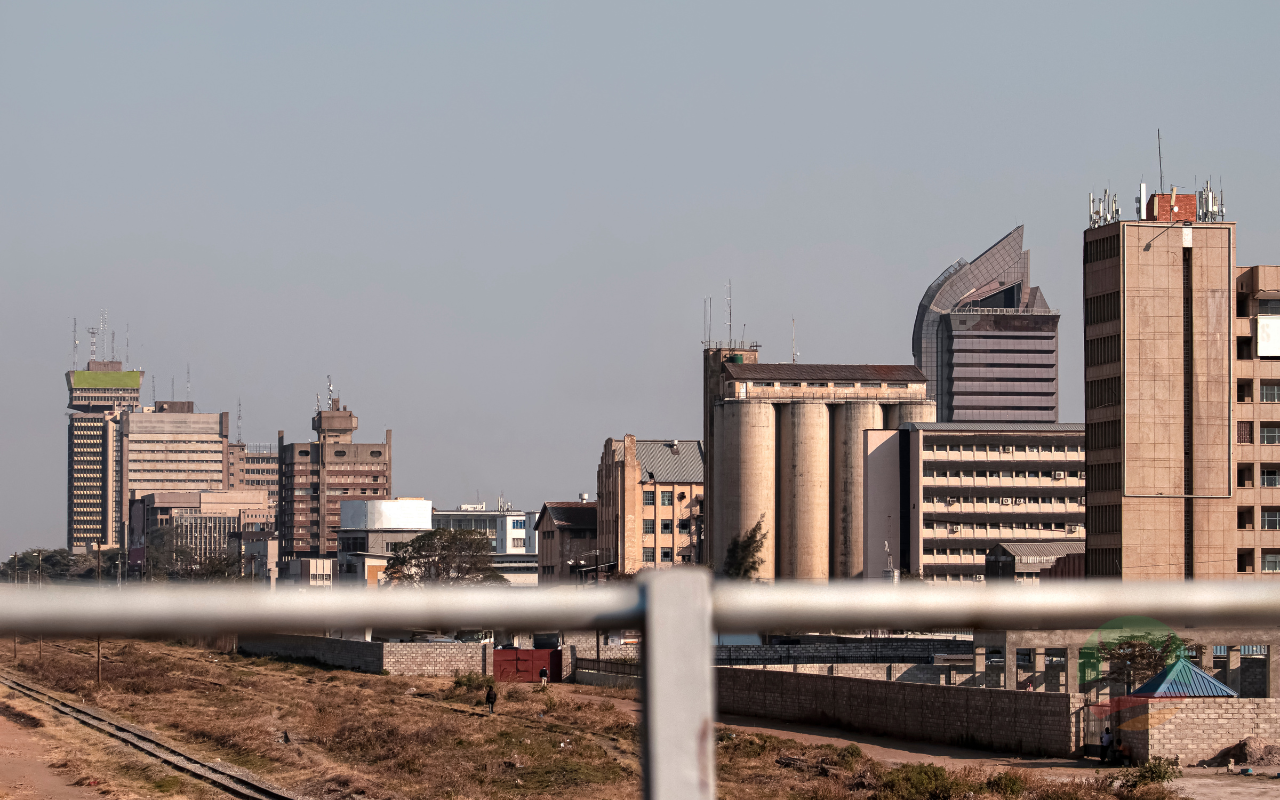
Photo: Johanneke Kroesbergen-KampsUnsplashUnsplash License
LUSAKA, 25 JUNE 2026—Updated 25 Jun 2026
LUSAKA — Spiro, the Dubai-based electric-motorcycle company, has closed a $270m equity round that allows a deeper push into central and southern Africa, the firm said.
The round matters far beyond the seven countries Spiro already serves. The new money funds expansion into DR Congo and Malawi, two of Zambia's neighbours, even as the battery-swap wave leans on the copper and cobalt that Zambia digs out of the Copperbelt. Spiro does not yet operate in Zambia. The deal still lands close to home.
A $55m cheque from Chinese growth-stage fund NewTrails Capital closed the round, topping up a $215m raise reported earlier in June, African Business reported on 24 June 2026. The Chinese-backed deal lifts the combined total to $270m, among the largest sums ever committed to electric mobility on the continent. Every fresh round Spiro raises tightens its grip on a market it already leads.
Spiro runs more than 100,000 electric motorcycles and over 2,500 battery-swap stations across Kenya, Rwanda, Uganda, Togo, Benin, Nigeria and Cameroon. The new capital funds entry into DR Congo, Ethiopia, Malawi and Mali, and ties production more tightly to Chinese suppliers.
At a glance — the Spiro round: $270m total equity; a $55m cheque from NewTrails Capital; a $215m raise earlier in June; a further $50m in debt from Nithio and the Africa Go Green Fund; 100,000+ electric motorcycles; 2,500+ battery-swap stations; 7 markets today; 4 new markets next.
How the model works
Spiro's pitch is built on cost. A rider buys the motorcycle but not the battery, the most expensive part, which Spiro keeps and recharges. Rather than charge the bike overnight, a rider swaps a flat battery for a full one in minutes and pays per swap.
The selling point is the daily bill. Spiro says the model can lower a rider's transport cost by as much as 40% against petrol, because a swap works out cheaper than a tank of fuel. The company reports more than 30 million swaps to date and an industrial footprint of plants in Kenya, Rwanda and Uganda, plus a battery-recycling facility in Nigeria.
Having deployed 100,000 electric vehicles and 2,500 smart-swap stations across seven active markets, Spiro has firmly moved past the proof-of-concept phase.
— Gagan Gupta, founder of Spiro and chairman of Equitane, <a href="https://www.spironet.com/news/african-ev-platform-spiro-secures-55m-from-chinese-investor-newtrails-capital">company statement, June 2026</a>
Why Chinese capital matters
The NewTrails cheque carries weight beyond its size. NewTrails Capital is a Chinese growth-stage fund with offices in Shanghai, Shenzhen and Nigeria, backed by smartphone maker Shenzhen Transsion Holdings. The fund invests in step with China's trillion-dollar Belt and Road Initiative, and part of the new money will bind Spiro's manufacturing to Chinese suppliers, ImpactAlpha reported in June 2026.
As a Chinese fund committed to investing in Africa's energy transition and green technology, we are very encouraged to see Chinese supply chains and financing playing an increasingly important role in this process.
— Yufan Zhang, founding partner of NewTrails Capital, <a href="https://african.business/2026/06/quick-reads/chinese-investment-drives-270m-spiro-funding-round">quoted in African Business, 24 June 2026</a>
Backing at this scale for an African-led electric-mobility firm from Chinese capital is fairly new territory. Zhang said the fund would take a long-term investor role as the business grows. The rest of the equity came from European and African institutions, among them Impact Fund Denmark, Equitane and FEDA, the Fund for Export Development in Africa.
A new chief for the next phase
The capital arrives alongside a change at the top. Spiro named Anant Badjatya, former chief of Indofast Energy, as group chief executive in June. At Indofast, the IndianOil and SUN Mobility venture, Badjatya built one of India's largest swap networks, with more than 1,800 stations serving about 90,000 vehicles a day.
Founder Gagan Gupta stays on as chairman of Equitane, the holding firm that anchored Spiro at its founding in 2022. Spiro calls itself Africa's largest electric-mobility company, and the leadership change signals a shift from a build-out phase to a scale-up one. The same logic drives big copper bets in Zambia, where KoBold this year broke ground on the $2bn Mingomba project, as our report on KoBold's Mingomba groundbreaking set out.
What it means for Zambia
Zambia is not on Spiro's map yet. The expansion into DR Congo and Malawi changes the distance, though. A battery-swap network across two neighbours is the clearest sign yet that cheaper electric two-wheelers are nearing Zambian roads, where fuel is a heavy household and business cost.
Fuel weighs on the national bill. Imported petroleum is one of Zambia's largest import lines, and pump prices feed straight into transport and food costs. Electric two-wheelers will not erase that overnight. A swap network next door would, over time, give Zambian riders and small traders a cheaper option and trim the fuel bill that drags on the kwacha, a currency that has firmed this year as copper rallied, as our analysis of the copper rally and the kwacha showed.
The deeper tie is in the ground. Every swap battery needs copper and cobalt, both of which Zambia mines, and the country is courting battery-mineral investors as global carmakers chase supply. The push to add value at home runs through the same energy and debt choices Zambia is making to keep the lights on, including the AfDB-backed swap of Eurobond debt for grid spending set out in our report on the debt-for-power deal. For more on the firms and policy shaping the economy, see our business and economy coverage.
What to watch
Watch the rollout into Malawi and DR Congo, the speed of the manufacturing tie-up with Chinese suppliers, and whether any operator, Spiro or a rival, files for a Zambian licence. Watch, too, how much of the copper and cobalt feeding these batteries is processed on the continent rather than shipped out raw.
Frequently Asked Questions
What is Spiro and what did it raise?
Spiro is a Dubai-based electric-mobility company that builds and finances electric motorcycles and runs Africa's largest battery-swap network. In short, the firm has closed a $270m equity round, the figure confirmed by African Business, after a $55m cheque from China's NewTrails Capital topped up a $215m raise from earlier in June 2026.
How does the battery-swap model cut a rider's costs?
The key is that a rider buys the motorcycle but not the battery, the costliest part, which Spiro keeps and recharges. According to the company, a rider pulls into a station, trades a flat battery for a charged one in minutes and pays per swap. Spiro data shows the model can lower daily transport costs by as much as 40% against petrol.
Which countries does Spiro operate in, and where is it going next?
Spiro runs more than 100,000 electric motorcycles and over 2,500 swap stations across Kenya, Rwanda, Uganda, Togo, Benin, Nigeria and Cameroon. In other words, the network is wide already. The new capital funds expansion into DR Congo, Ethiopia, Malawi and Mali, the data the company gave investors shows, two of which border or sit close to Zambia.
Why is a Chinese fund central to this deal?
The answer is supply chains. NewTrails Capital, backed by smartphone maker Shenzhen Transsion Holdings, invests in line with China's Belt and Road Initiative. Evidence from the round reveals that part of the money will tie Spiro's manufacturing to Chinese suppliers, deepening China's role in Africa's energy shift.
Who is the new Spiro chief executive?
Simply put, Anant Badjatya is the new group chief executive, named in June. Research into his record shows he led Indofast Energy, the IndianOil and SUN Mobility venture, where he built more than 1,800 swap stations serving about 90,000 vehicles a day. Founder Gagan Gupta stays on as chairman of Equitane.
Sources
More on Business & Economy

Guinea bans raw gold exports as Africa pushes local refining
Guinea has banned raw gold exports and now demands local refining, African Business reported. For Zambia, whose copper still leaves largely unprocessed, the move sharpens a long-running question about where the value is captured.

Zambia cuts fuel prices again as shop prices stay high
Zambia's Energy Regulation Board cut pump prices for a third straight month in August 2026, but transport fares and food prices remain high and non-food inflation is rising.

Zambia's trade surplus narrows to K4.2bn as imports jump
Zambia recorded a K4.2 billion trade surplus in June 2026, down from K7.0 billion in May, as imports rose 10.2% and exports fell 1.6%, ZamStats said.
The Kwacha News briefing.
Business, markets and the Zambian economy — in your inbox.