

Somalia condemns US entry ban on World Cup referee
Somalia’s football federation says the United States’ refusal to admit referee Omar Abdulkadir Artan has deprived the country of a historic World Cup debut, a day after he was turned back at the border.
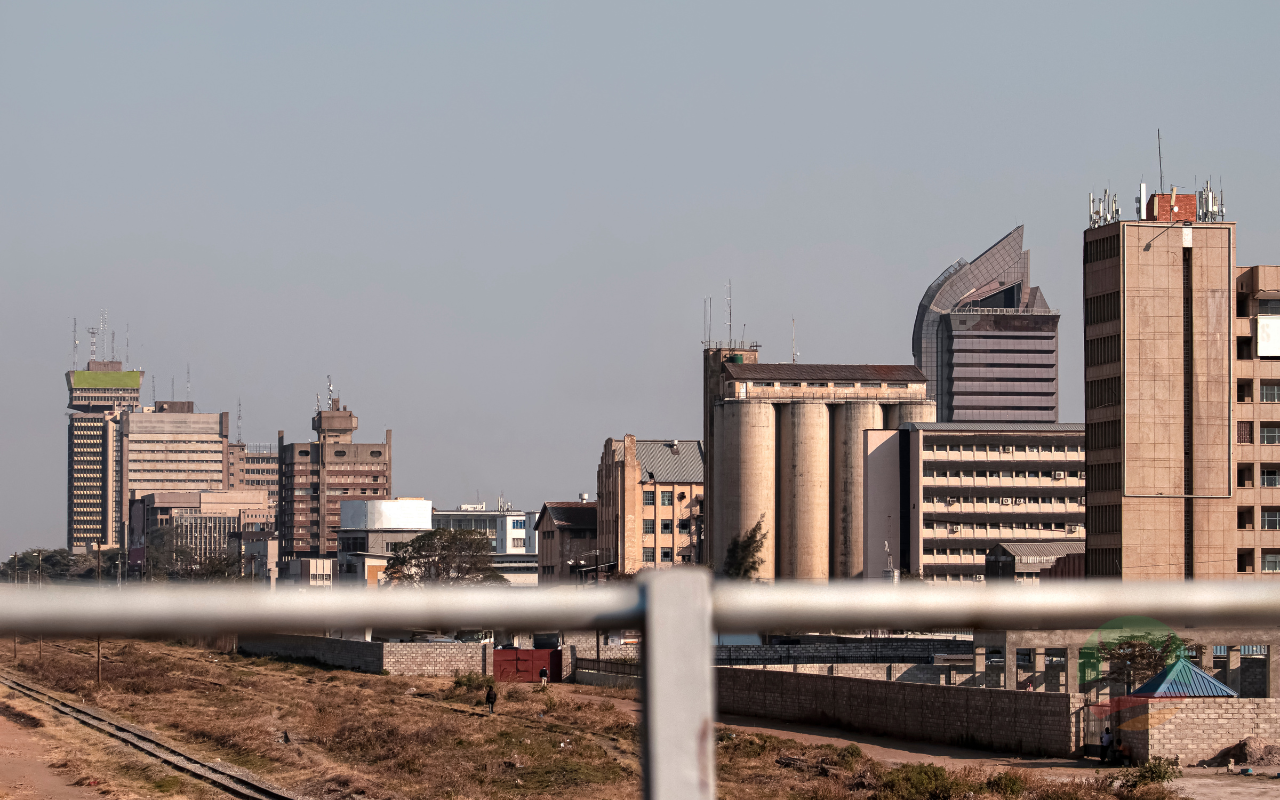
Photo: Deklerk BassonUnsplashUnsplash License
LUSAKA, 10 JUNE 2026—Updated 8 Jul 2026
MOGADISHU — Somalia has condemned the United States’ decision to bar referee Omar Abdulkadir Artan from the World Cup, a refusal that represents the loss of a historic first.
The criticism matters because it turns a single entry refusal into a diplomatic and sporting grievance, and because the case sits in a wider pattern of US entry rules reaching the people an international tournament depends on — including the African travellers among them. Somalia’s football federation said the refusal had cost the country a historic World Cup debut, a day after Artan was turned back despite holding a valid visa.
Artan held a valid visa but was denied entry at the US border and sent back to Turkey, his transit country, Al Jazeera reported. US authorities cited an unspecified vetting concern, the standard wording for an inadmissibility decision, and offered no further public detail.
The episode follows the news, reported a day earlier, that the United States had denied Artan entry and that FIFA had dropped him from its list of match officials. Kwacha News set out the original refusal in its report on how the US denied the Somali referee World Cup entry. This story is part of Kwacha News’s continuing world coverage.
What Somalia said
Somalia’s football federation framed the refusal as a national loss. Artan had been set to become the first Somali to officiate at a World Cup, a marker of progress for a country more often in the news for conflict than for sport, and the federation said the US decision had deprived Somalia of that historic debut.
The detail that sharpened the criticism is the valid visa. Artan was not turned away for lack of paperwork; he held a visa, travelled, and was refused at the border on vetting grounds, then sent back to Turkey. That sequence — approval followed by refusal at the point of entry — is what the federation and Somali commentators have seized on as arbitrary.
The 2026 World Cup is being co-hosted by the United States, Canada and Mexico, which makes US entry rules a gatekeeper for everyone the tournament draws. An official who cannot enter the country cannot work the matches, which is why FIFA removed Artan from the roster once entry was denied.
Somalia’s football federation says the US decision to deny entry to award-winning referee Omar Abdulkadir Artan has deprived the country of a historic World Cup debut.
— Reporting on Somalia’s response, <a href="https://www.aljazeera.com/video/newsfeed/2026/6/10/somalia-criticises-us-decision-to-bar-world-cup-referee">Al Jazeera, 10 June 2026</a>
Snapshot: Somalia’s football federation condemned the United States’ refusal to admit referee Omar Abdulkadir Artan to the 2026 World Cup, saying it cost the country a historic debut among the tournament’s officials (Al Jazeera). Artan held a valid visa but was denied entry at the US border on vetting grounds and sent back to Turkey. FIFA had already dropped him from the roster after the refusal. The tournament is co-hosted by the US, Canada and Mexico.
Background
Visa and entry friction has shadowed the build-up to the 2026 World Cup. Because the United States is one of three host nations, every participant who needs to set foot on US soil — official, player or supporter — runs through US immigration rules, and a refusal at the border can end a person’s tournament regardless of accreditation.
For Africa, the case is part of a longer story about the cost and uncertainty of travel to the global North. Kwacha News has reported on US visa and embassy cuts affecting African applicants, a tightening that raises the odds of refusals and delays for travellers from the continent. A high-profile refusal of an accredited official makes the abstract concrete: if a World Cup referee can be turned back, ordinary travellers have little assurance.
The tournament has drawn attention for off-field matters as much as on-field ones. Kwacha News set out the changes to the competition in its explainer on the 2026 World Cup rule changes, and the Artan case adds officiating to the list of areas where immigration policy intrudes on the game.
What to watch
The first thing to watch is whether FIFA responds to Somalia’s criticism or seeks to reassure other officials and federations. Football’s governing body has limited leverage over a sovereign state’s entry rules, so a quiet reassignment is more likely than a reversal.
The second is whether more officials, players or fans face refusals as the tournament proceeds. A single denial is an incident; a pattern would become a story about whether a co-host can guarantee access to the event it agreed to stage.
The third is the read for African travellers, including Zambians planning to attend or work at the World Cup. The decision point that matters next is whether US authorities issue guidance to reassure participants, or whether refusals continue case by case at the border.
Frequently Asked Questions
These are the questions readers have been asking since Somalia condemned the refusal. Short answers follow, drawn from Al Jazeera’s reporting and Kwacha News coverage.
What did Somalia say about the referee ban?
In short, Somalia’s football federation said the US refusal to admit Omar Abdulkadir Artan had deprived the country of a historic World Cup debut. The answer, simply put, is that it condemned the decision as a national loss. The key is that Artan would have been the first Somali to officiate at a World Cup.
Why was the referee denied entry to the US?
The answer is a vetting decision. According to Al Jazeera, Artan held a valid visa but was denied entry at the US border on unspecified vetting grounds and sent back to Turkey. Evidence from the case shows the refusal came at the point of entry, not in the visa process.
Did the referee have a valid visa?
Simply put, yes. The data from the reporting shows Artan travelled with a valid visa and was nonetheless refused at the border. The key is that approval to travel did not guarantee admission, which is what made the decision look arbitrary to the federation.
Why does this matter for African travellers?
The answer is that it shows US entry risk. Research into visa policy shows African applicants face higher costs and more refusals, and analysis of this case demonstrates that even accredited participants can be turned away. US rules apply to everyone the World Cup draws.
What happens to the referee now?
According to the available reporting, FIFA dropped Artan from its list of match officials once entry was denied, because an official who cannot enter the country cannot work the matches. The key signal to watch is whether football authorities seek a later assignment for him.
Sources
Al Jazeera: Somalia criticises US decision to bar World Cup referee. Kwacha News coverage: the US denying the Somali referee World Cup entry, US visa and embassy cuts, and the 2026 World Cup rule-changes explainer.
More on Africa/World

TAZARA at 50: Zambia weighs two routes to the sea
As TAZARA turns 50, landlocked Zambia is weighing two rival routes for its copper: east to the Indian Ocean via a rebuilt TAZARA, or west to the Atlantic via the Lobito Corridor.

African leaders back trade insurer ATIDI after record year
African leaders endorsed ATIDI — the pan-African insurer Zambia belongs to — as a cornerstone of a new African-led financial architecture, as the body marked 25 years with record 2025 results and a call to recapitalise it to US$2 billion.
The Kwacha News briefing.
Business, markets and the Zambian economy — in your inbox.
