

NAPSA defends $300m Lusaka-Ndola road financing
The National Pension Scheme Authority says its US$300 million stake in the Lusaka-Ndola dual carriageway was a commercial decision protected by escrow and toll revenues — not a project forced on it by the government.
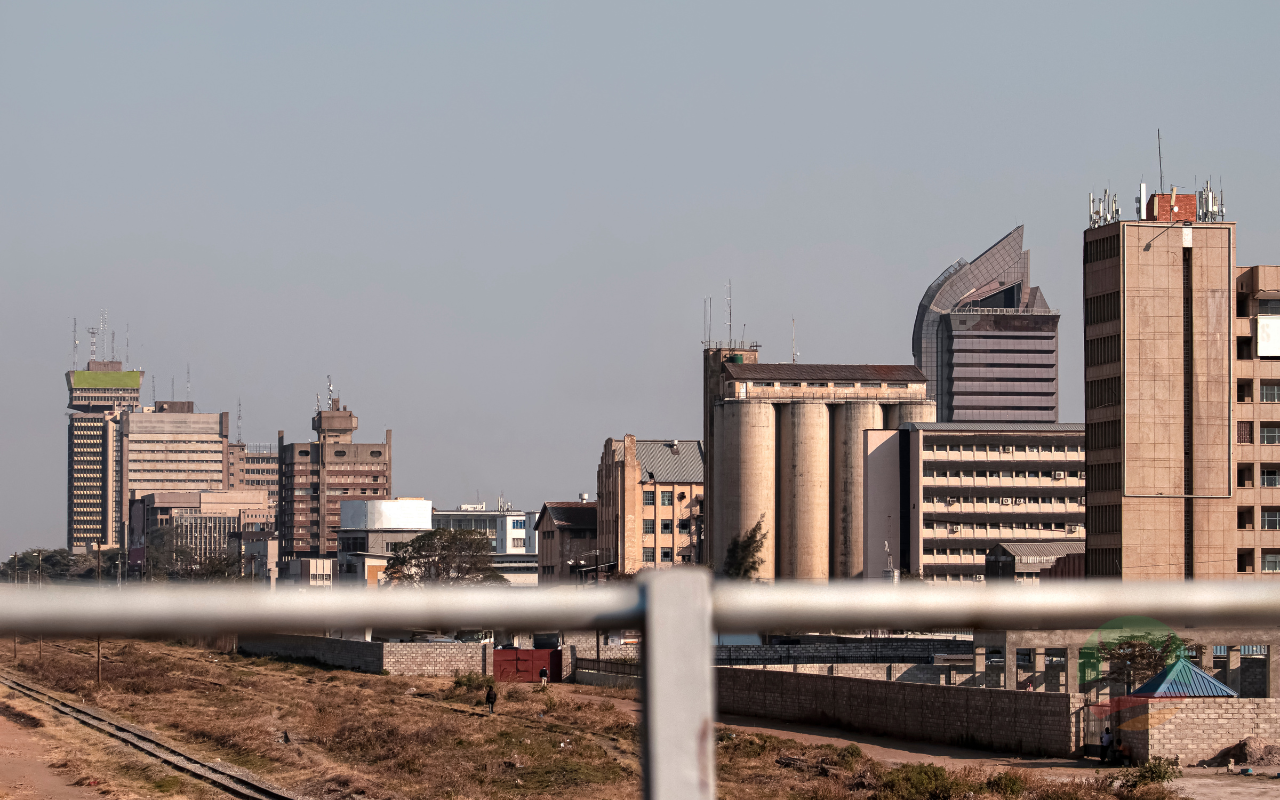
Photo: Clayton MajonaUnsplashUnsplash License
LUSAKA, 13 JUNE 2026—Updated 20 Jun 2026
LUSAKA — The National Pension Scheme Authority (NAPSA) says its US$300 million stake in the Lusaka-Ndola dual carriageway is a commercial decision, not one forced on it by the government.
The defence matters because the money is workers’ money: NAPSA holds the pension contributions of hundreds of thousands of Zambian employees, and its $300m commitment is one of the largest single investments the fund has made in a domestic infrastructure project. NAPSA set out its case in a statement responding to public concern about the deal.
NAPSA put US$300 million into the project as part of a broader US$650 million financing package, the authority said, after the road’s concessionaire approached the fund with a proposal. The agreement was signed in March 2024 and the rebuilt highway between the capital and the Copperbelt is now under construction. This story is part of Kwacha News’s continuing business and economy coverage.
What NAPSA says
The authority’s central point is that it chose the investment rather than being told to make it. NAPSA says the decision followed extensive due diligence — a detailed evaluation of repayment arrangements, revenue projections and the security designed to protect contributors’ funds — and that it was based on commercial considerations, not government direction.
The terms set out the commercial logic. NAPSA’s Director General, Cephas Sinyangwe, said the fund lent the money at an interest rate of 9.5% a year over 13 years, a return the authority argues compares well with other options for long-dated pension money. The data the fund cites is the yield: 9.5% over more than a decade, secured against a real asset that collects tolls.
The security structure is the part NAPSA leans on hardest. All revenue collected from the road’s allocated toll gates is paid into an escrow account, from which the lenders are repaid in a set order. As the senior lender, NAPSA says it has the first right of repayment, putting contributors’ money ahead of other financiers if the cash flow falls short.
The US$300 million commitment was based on commercial considerations and extensive due diligence, and was not directed by Government.
— National Pension Scheme Authority, in a <a href="https://www.napsa.co.zm/news/details?id=cdd53d1d-b4d9-43a4-8bfd-1d5911ba1b2c">statement on the Lusaka-Ndola financing</a>
Snapshot: NAPSA says its US$300 million stake in the Lusaka-Ndola dual carriageway — part of a US$650 million package signed in March 2024 — was a commercial decision, not government-directed. The fund lent at 9.5% a year over 13 years, secured by toll revenues paid into an escrow account where NAPSA, as senior lender, has first right of repayment. NAPSA manages the pension contributions of Zambian workers.
Why it matters
The Lusaka-Ndola road is the busiest corridor in Zambia, linking the capital to the Copperbelt mining towns, and rebuilding it as a dual carriageway is one of the country’s flagship infrastructure projects. Using pension savings to fund it ties the retirement security of Zambian workers to the success of a single toll road, which is why the terms and the safeguards draw scrutiny.
The concern NAPSA is answering is concentration and direction: whether a state-linked fund was steered into a politically important project, and whether contributors’ money is exposed if traffic and toll income disappoint. The authority’s reply is that the structure — senior-lender status, escrow, a fixed return — is built to protect the fund first.
It also sits inside a wider Zambian debate about how to pay for infrastructure without piling on sovereign debt. The model here is a public-private arrangement funded partly by domestic institutions rather than foreign loans, an approach that keeps the financing — and the interest payments — inside the country. Kwacha News has reported on the government’s broader push to draw private-sector capital into national projects.
Background
NAPSA is Zambia’s statutory pension fund, collecting mandatory contributions from employers and employees and paying benefits on retirement. As one of the largest pools of long-term savings in the country, it has increasingly been looked to as a domestic source of finance for infrastructure that would otherwise rely on external borrowing.
The fund’s exposure to the road is being released in stages as work proceeds rather than in one payment. The phased disbursement ties the money to construction milestones, which NAPSA presents as a further protection for contributors. The same caution about workers’ money runs through other recent financial-sector news; Kwacha News covered the Bank of Zambia’s move to tighten lending rules after a rise in worker loan defaults.
What to watch
The first thing to watch is toll income. The whole security structure rests on the road generating enough revenue to service the debt; the early traffic and toll figures, once the carriageway opens, will show whether the projections hold.
The second is disclosure. NAPSA has set out the headline terms, but contributors and analysts will look for fuller reporting on how the investment performs year by year, given that it is their savings at stake.
The third is the template. If the Lusaka-Ndola model is judged a success, the decision point for government and the fund is whether to repeat it on other corridors — turning pension savings into a standing source of road finance, with all the risk and reward that carries.
Frequently Asked Questions
These are the questions readers have been asking about the NAPSA road financing. Short answers follow, drawn from the authority’s statement and the public record on the project.
What is NAPSA financing?
In short, NAPSA is helping to fund the Lusaka-Ndola dual carriageway, the rebuilt highway linking the capital to the Copperbelt. The answer, simply put, is that the fund committed US$300 million as part of a US$650 million package. The key is that the money comes from workers’ pension contributions.
Was NAPSA forced to fund the road?
According to NAPSA, the answer is no. The authority says the $300m commitment was a commercial decision based on extensive due diligence, not directed by the government, and that the concessionaire approached the fund with the proposal.
How is the investment protected?
Simply put, by toll revenue and seniority. Evidence from the structure shows all toll income is paid into an escrow account, and as senior lender NAPSA has first right of repayment. The analysis NAPSA cites is a 9.5% return over 13 years, secured against the road.
Why does this affect Zambian workers?
The answer is that NAPSA manages their pensions. Data on the fund shows it holds the mandatory contributions of Zambian employees, so the performance of the road financing reaches the retirement savings of contributors. The key is that the safeguards are meant to protect that money first.
When was the financing agreed?
According to the record, the financing agreement was signed in March 2024, and the road is now under construction with NAPSA’s funds released in stages tied to construction milestones rather than in a single payment.
Sources
National Pension Scheme Authority: statement on the Lusaka-Ndola dual carriageway financing. Kwacha News coverage: drawing private-sector capital into national projects and the Bank of Zambia’s tighter lending rules.
More on Business & Economy

Guinea bans raw gold exports as Africa pushes local refining
Guinea has banned raw gold exports and now demands local refining, African Business reported. For Zambia, whose copper still leaves largely unprocessed, the move sharpens a long-running question about where the value is captured.

Zambia cuts fuel prices again as shop prices stay high
Zambia's Energy Regulation Board cut pump prices for a third straight month in August 2026, but transport fares and food prices remain high and non-food inflation is rising.
The Kwacha News briefing.
Business, markets and the Zambian economy — in your inbox.

