

NAPSA defends $300m stake in Lusaka-Ndola road
Zambia’s pension fund says its US$300 million commitment to the country’s largest PPP road was a commercial call, not a government directive, as the US$650 million dual carriageway pushes ahead.
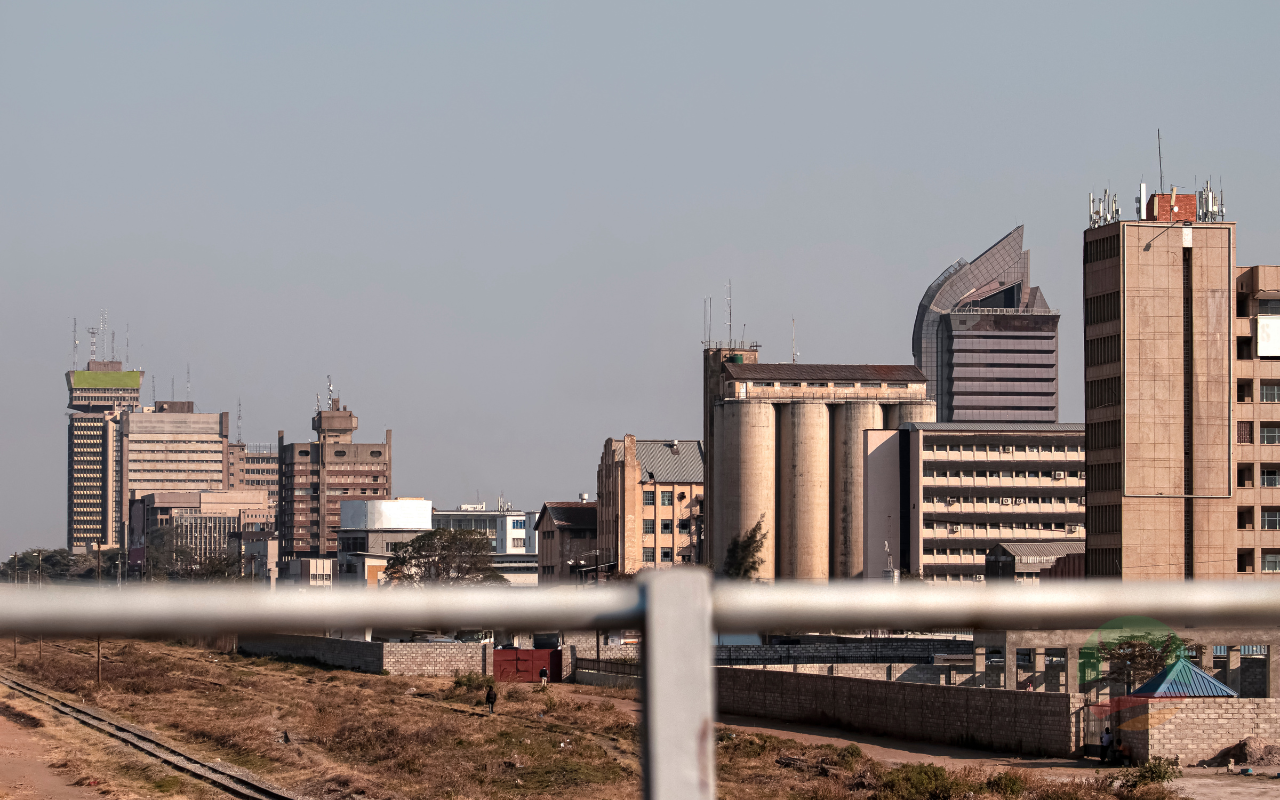
Photo: Bernard ChamaUnsplashUnsplash License
LUSAKA, 22 JUNE 2026—Updated 22 Jun 2026
LUSAKA — The National Pension Scheme Authority says its US$300 million stake in the Lusaka-Ndola Dual Carriageway is a commercial investment, not a government directive.
The defence matters because NAPSA is staking the retirement savings of Zambian workers — about 46% of a US$650 million project cost ($300m) — on the single largest investment the Authority has ever made, on a road that is the main artery to the Copperbelt. That NAPSA defends the deal at all signals how politically charged pension money in national infrastructure has become. This report is part of Kwacha News’s continuing business and economy coverage of how the pension fund finances Zambia’s roads.
In its statement on the Lusaka-Ndola road financing, NAPSA confirmed it had committed US$300 million to the dual carriageway, roughly 46% of the project cost, on a 13-year facility carrying 9.5% interest a year with a three-year construction moratorium. The fund described the commitment as the single largest investment it has ever made, and the product of due diligence rather than political pressure.
The road is being delivered under a 25-year Public-Private Partnership concession — three years for construction and 22 years for operations and maintenance — signed with the Macro Oceans Investment Consortium (MOIC-LN) at a cost of US$649,976,167, according to the Road Development Agency. NAPSA’s US$300 million therefore covers close to half of the total bill.
The Road Development Agency set out a scope that goes well beyond a single highway. As detailed in an update on the construction works, the project upgrades 327 kilometres of the Lusaka-Ndola road to dual carriageway, rehabilitates 45 kilometres of the Masangano-Fisenge-Luanshya Road, and builds roughly 30 kilometres of bypasses in Kabwe and Kapiri-Mposhi, plus two new toll plazas and a new Kafubu Bridge in Ndola.
For the Copperbelt, the upgrade is more than a road. The corridor carries the copper that earns most of Zambia’s foreign exchange, and it runs alongside other arteries the country is reopening, including the railway covered when the Lobito corridor revived a Zambian copper route. A dual carriageway to Ndola is the road half of that same export logic.
Progress is well under way. As of 18 July 2025 the Road Development Agency put the project at 36% completion, with the 45-kilometre Masangano-Fisenge-Luanshya section fully complete and opened to traffic. The agency reported that, as at 30 June 2025, the project had engaged 3,510 Zambians, including engineers, machine operators, administration staff and general workers.
The financing arithmetic is part of a wider pattern of large, long-dated deals reshaping how Zambia pays for infrastructure — a shift visible in the wave of capital that arrived when the country signed US$1.8 billion in new power deals. NAPSA’s 13-year facility, with its three-year moratorium, follows the same logic of patient money matched to assets that take years to build and decades to pay back.
How the road pays for itself is set out in a joint statement by the National Road Fund Agency and the Road Development Agency. The two agencies described a transition plan to hand the Katuba, Manyumbi and Kafulafuta toll gates to the concessionaire, with toll fees channelled into an escrow account jointly controlled by Government and the concessionaire for road maintenance until construction is complete.
All the toll fees collected from these three Toll Gates, will be channeled into an ESCROW Account controlled jointly by the Government and the Concessionaire for the maintenance of the existing road until the Concessionaire completes the construction.
— National Road Fund Agency and Road Development Agency, joint press statement
Snapshot: NAPSA has committed US$300 million — about 46% of the cost — to the US$650 million Lusaka-Ndola Dual Carriageway, the single largest investment the pension fund has made, on a 13-year facility at 9.5% with a three-year moratorium. The 327km road is a 25-year PPP concession built by the MOIC-LN consortium, was 36% complete at July 2025, had engaged 3,510 Zambians by June 2025, and will be repaid through tolls at the Katuba, Manyumbi and Kafulafuta gates held in a Government-concessionaire escrow account.
Background
The Lusaka-Ndola Dual Carriageway is the country’s flagship Public-Private Partnership road, a 25-year concession that splits three years of construction from 22 years of operations and maintenance. Signed with the Macro Oceans Investment Consortium at US$649,976,167, the deal hands the consortium responsibility for building the road and recovering its cost through tolling over the life of the concession, rather than asking the Treasury to fund the works up front.
NAPSA’s role sits at the centre of the financing. By lending US$300 million on a 13-year term, the Authority is funding close to half the project and tying a large slice of national pension savings to a single asset — the reason the fund has been at pains to frame the commitment as a commercial decision backed by due diligence rather than a directive from Government.
What to watch
The next signal is the handover of the Katuba, Manyumbi and Kafulafuta toll gates to the concessionaire, and the opening of the jointly controlled escrow account, which together start the cash flow that is meant to repay the road. The pace of those transfers will show how quickly the PPP moves from public to concession-led tolling.
The other marker is the completion curve. With the project reported at 36% in July 2025 and the first 45-kilometre section already open, the schedule against the three-year construction window will determine when the three-year interest moratorium on NAPSA’s facility ends and full repayment begins.
Frequently Asked Questions
These are the questions readers have been asking about NAPSA’s financing of the Lusaka-Ndola Dual Carriageway. The short answers below are drawn from the statements published by NAPSA, the Road Development Agency and the National Road Fund Agency.
How much has NAPSA put into the Lusaka-Ndola road?
In short, NAPSA has committed US$300 million, about 46% of the project cost, on a 13-year facility carrying 9.5% interest a year with a three-year construction moratorium. According to the Authority, this is the single largest investment it has ever made, and its own statement reveals the financing was the product of due diligence rather than political pressure.
Who is building the dual carriageway and at what cost?
Simply put, the road is a 25-year Public-Private Partnership concession — three years to build and 22 years to operate and maintain — signed with the Macro Oceans Investment Consortium (MOIC-LN) at US$649,976,167. Data from the Road Development Agency shows the contract covers both construction and decades of upkeep.
What does the project actually involve?
The answer is a package of works, not a single highway. Records from the Road Development Agency show the scope upgrades 327 kilometres of the Lusaka-Ndola road to dual carriageway, rehabilitates 45 kilometres of the Masangano-Fisenge-Luanshya Road, builds roughly 30 kilometres of bypasses in Kabwe and Kapiri-Mposhi, and adds two new toll plazas and a new Kafubu Bridge in Ndola.
How far along is construction?
According to the Road Development Agency, the project stood at 36% completion as of 18 July 2025, with the 45-kilometre Masangano-Fisenge-Luanshya section fully complete and open to traffic. The same data reveals the works had engaged 3,510 Zambians by 30 June 2025, including engineers, machine operators, administration staff and general workers.
How will the road be paid back?
In other words, through tolls. Evidence in the joint statement by the National Road Fund Agency and the Road Development Agency shows a transition plan to hand the Katuba, Manyumbi and Kafulafuta toll gates to the concessionaire, with the fees channelled into an escrow account jointly controlled by Government and the concessionaire for road maintenance until construction is complete.
Sources
Primary sources for this report: NAPSA — Lusaka-Ndola road financing statement; Road Development Agency — works progressing (36%, July 2025); Road Development Agency — update on construction works; Road Development Agency — a glance at the project; and the NRFA and RDA joint statement on progress and the toll-gate transition plan.
More on Business & Economy

Guinea bans raw gold exports as Africa pushes local refining
Guinea has banned raw gold exports and now demands local refining, African Business reported. For Zambia, whose copper still leaves largely unprocessed, the move sharpens a long-running question about where the value is captured.

Zambia cuts fuel prices again as shop prices stay high
Zambia's Energy Regulation Board cut pump prices for a third straight month in August 2026, but transport fares and food prices remain high and non-food inflation is rising.
The Kwacha News briefing.
Business, markets and the Zambian economy — in your inbox.

