

Mongu’s Tapo-Lulambo feeder road reaches 9km of 40km
A feeder-road programme in Western Province is opening up rural access to markets and services, with the first stretch of the Tapo-Lulambo line now graded.
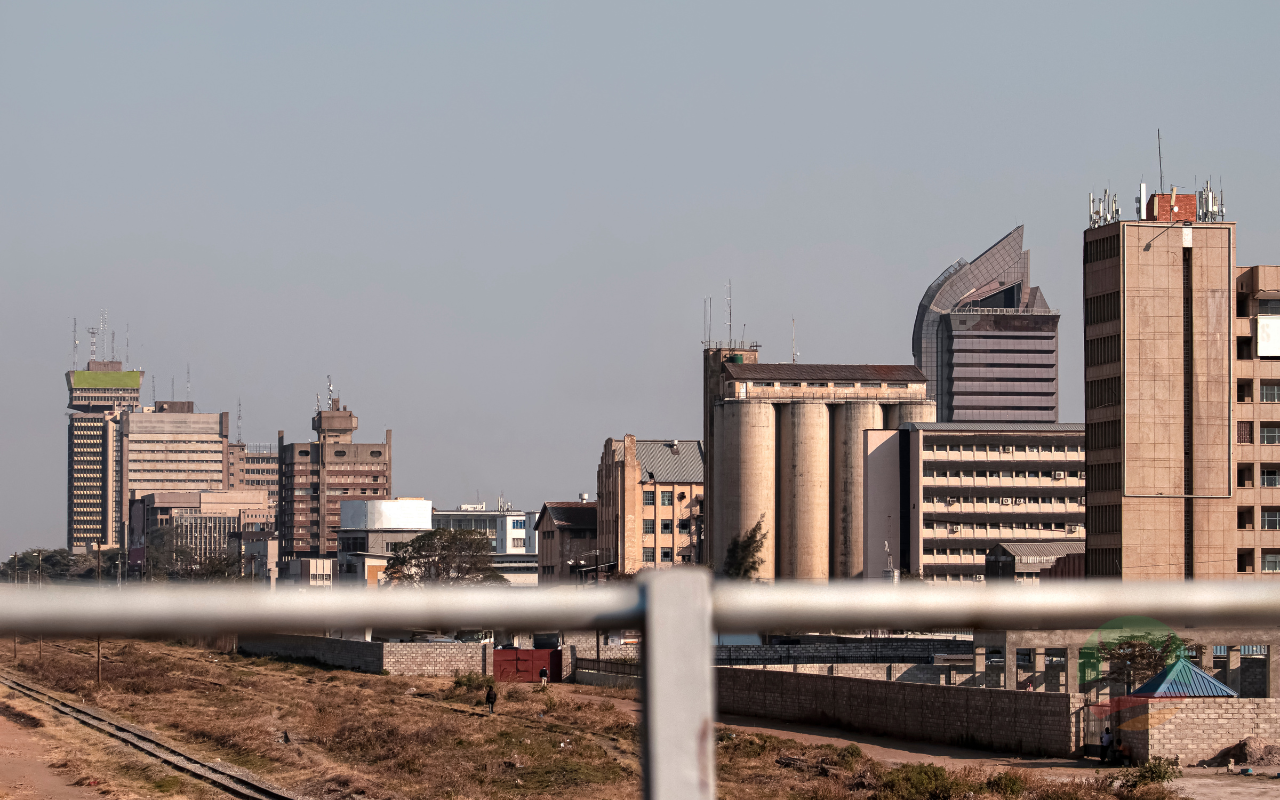
Photo: Elisa GiaccagliaPexelsPexels License
LUSAKA, 21 JUNE 2026—Updated 8 Jul 2026
LUSAKA — The Tapo-Lulambo feeder road in Mongu is now about 9km graded to all-weather gravel of a planned 40km, the Zambia News and Information Services reported.
The line is one strand of a wider push to rehabilitate about 150km of feeder roads across the Mongu, Limulunga and Kalabo districts of Western Province, work that officials say will widen rural access to markets and government services. This report forms part of Kwacha News’s continuing local coverage of how public works reach Zambia’s rural districts, where poor roads have long kept communities far from clinics, schools and trading centres.
The 40km road from Tapo to Lulambo is being built by contractor AVIC International, and about 9km has been upgraded to all-weather gravel standard, according to the Zambia News and Information Services. The remaining stretch is to be graded as the programme advances. The work mirrors the financing logic behind larger projects such as the $300m Lusaka-Ndola dual carriageway, where the case for spending rests on the economic return of better road links.
The Tapo-Lulambo line sits within a programme to rehabilitate and upgrade roughly 150km of feeder roads across the Mongu, Limulunga and Kalabo districts, the Zambia News and Information Services reported. Feeder roads are the low-traffic rural links that connect villages and farms to the main road network and to district centres.
Western Province Permanent Secretary Simomo Akapelwa led a site inspection of the works, the Zambia News and Information Services reported. Regional Engineer Moses Chitambala expressed confidence that the road would be completed on time, the same source said.
Residents had cited difficulty reaching government services because of poor road conditions, according to the Zambia News and Information Services. Better gravel surfaces are intended to keep the route passable in the rains, when unimproved earth roads in Western Province’s sandy plains often become impassable.
A 40km target with about 9km graded means the line reaches roughly a fifth of its length, leaving some 31km still to be upgraded, on the figures reported by the Zambia News and Information Services. The 150km programme spanning the Mongu, Limulunga and Kalabo districts sets the scale of the wider task, of which the single Tapo-Lulambo road is one part.
AVIC International, the contractor named by the Zambia News and Information Services as building the line, is the entity carrying out the grading and gravelling work to the all-weather standard the programme has set. The site inspection by Permanent Secretary Simomo Akapelwa, the same source reported, is the form of oversight the Western Province administration is applying to the works as they advance.
The feeder-road drive lands alongside other state investment aimed at rural districts, from energy to public services. Kwacha News reported on a wave of $1.8 billion in new power deals meant to lift generation, and on how Western Province featured in the country’s hosting of more than 113,000 refugees — both reminders that service delivery in the province turns on the roads that carry it.
Enhanced connectivity is key to unlocking economic opportunities and improving the livelihoods of rural populations.
— Simomo Akapelwa, Western Province Permanent Secretary, site inspection reported 19 June 2026 — <a href="https://www.zanis.gov.zm/?p=4680">Zambia News and Information Services</a>
Snapshot: The Tapo-Lulambo feeder road in Mongu district, built by AVIC International, has reached about 9km of a 40km target graded to all-weather gravel standard. The line is part of a programme to rehabilitate roughly 150km of feeder roads across the Mongu, Limulunga and Kalabo districts of Western Province. Permanent Secretary Simomo Akapelwa inspected the works, and Regional Engineer Moses Chitambala voiced confidence in on-time completion. Residents had cited poor roads as a barrier to reaching government services.
Background
Feeder roads are the connective tissue of rural Zambia. They carry maize and cassava from field to market, ferry patients to clinics and let officials reach scattered settlements that the trunk network never touches. In Western Province, much of the terrain is flat, sandy Barotse floodplain, where unsurfaced roads turn to soft sand in the dry season and to bog in the rains, raising transport costs and cutting villages off from services for weeks at a time.
Upgrading a road to all-weather gravel standard means laying a graded surface that drains and stays passable year-round, rather than the seasonal earth tracks it replaces. The Tapo-Lulambo works, and the broader 150km programme spanning Mongu, Limulunga and Kalabo, are pitched by officials as a route to widening access to markets and government services for communities that had reported struggling to reach them.
Mongu is the provincial capital of Western Province; Limulunga and Kalabo are neighbouring districts on the same Barotse plain. Spreading the 150km of works across all three, rather than a single corridor, points the programme at a network of rural links rather than one showpiece road — the kind of connective grid that determines whether a clinic visit or a market run is a half-day trek or a short trip.
For farming households in particular, the difference is economic. When a road is impassable, produce that cannot reach a buyer loses value, and the cost of bringing in seed, fertiliser or fuel climbs. Permanent Secretary Simomo Akapelwa framed the works in exactly those terms during the site inspection, tying connectivity to economic opportunity and to the livelihoods of rural populations.
What to watch
The near-term marker is progress on the remaining 31km of the Tapo-Lulambo line, after the first 9km. Regional Engineer Moses Chitambala expressed confidence in on-time completion, so the next site updates from the Western Province administration will show whether grading keeps pace before the rains.
The wider test is the full 150km programme across the Mongu, Limulunga and Kalabo districts. Watch for confirmation of how many kilometres are completed across the three districts, and whether the access gains residents were promised — shorter journeys to clinics, schools and markets — begin to show.
Frequently Asked Questions
These are the questions readers are asking about the Tapo-Lulambo feeder road and the wider Western Province programme. Short answers follow, drawn from the public record reported by the Zambia News and Information Services.
What is the current state of the Tapo-Lulambo feeder road?
In short, about 9km of the planned 40km road has been graded to all-weather gravel standard, according to the Zambia News and Information Services. The data shows the line is at an early stage, with the larger share of the route still to be upgraded.
Who is building the Tapo-Lulambo road and where is it?
Simply put, the road runs from Tapo to Lulambo in Mongu district, Western Province, and is being built by the contractor AVIC International. The answer to why it matters is access: the route is meant to connect rural communities to markets and government services.
What is the wider feeder-roads programme?
The key is scale. According to the Zambia News and Information Services, the Tapo-Lulambo line is one part of a programme to rehabilitate and upgrade about 150km of feeder roads across the Mongu, Limulunga and Kalabo districts of Western Province.
Why is the road important to residents?
The evidence is in what residents told officials: poor road conditions had made it hard to reach government services. In other words, all-weather gravel that stays passable in the rains can shorten journeys to clinics, schools and trading centres across the sandy Western Province plains.
How does the project affect access to services?
The answer is that better connectivity is meant to widen access to markets and government services, according to Permanent Secretary Simomo Akapelwa. Regional Engineer Moses Chitambala expressed confidence in on-time completion; analysis of the project rests on that confidence and on continued grading, with on-site progress reports the measure to watch.
Sources
Primary reporting: Zambia News and Information Services — Tapo-Lulambo feeder road, Mongu (19 June 2026). Related Kwacha News coverage: the $300m Lusaka-Ndola road financing, the $1.8 billion in new power deals and Zambia’s hosting of 113,000 refugees.
More on Local

Great East Road to be widened into a dual carriageway
President Hakainde Hichilema pledged to widen the Great East Road into a dual carriageway and build the Chipata-Lundazi road, alongside a 100MW solar project and hospital upgrades in Eastern Province.

Lusaka widens Twin Palm Road into a dual carriageway
The Lusaka City Council says work to widen Twin Palm Road from a single into a dual carriageway is progressing and due for completion in September 2026, part of a 40.17km, K1.8 billion township roads programme funded by the Ministry of Local Government and Rural Development.

Kasama council reports progress on road rehabilitation
Kasama Municipal Council says a K11.4 million road rehabilitation programme funded through the 2025 Constituency Development Fund has completed St Theresa Road and is now grading Chiba Road, with Chanda Mukulu Road still to start.
The Kwacha News briefing.
Business, markets and the Zambian economy — in your inbox.