

Kambwili pleads guilty to leaving Zambia illegally
The former Information Minister changed an earlier not-guilty plea before a Lusaka magistrate, clearing the matter for sentencing rather than trial. Judgment is set for 4 June.
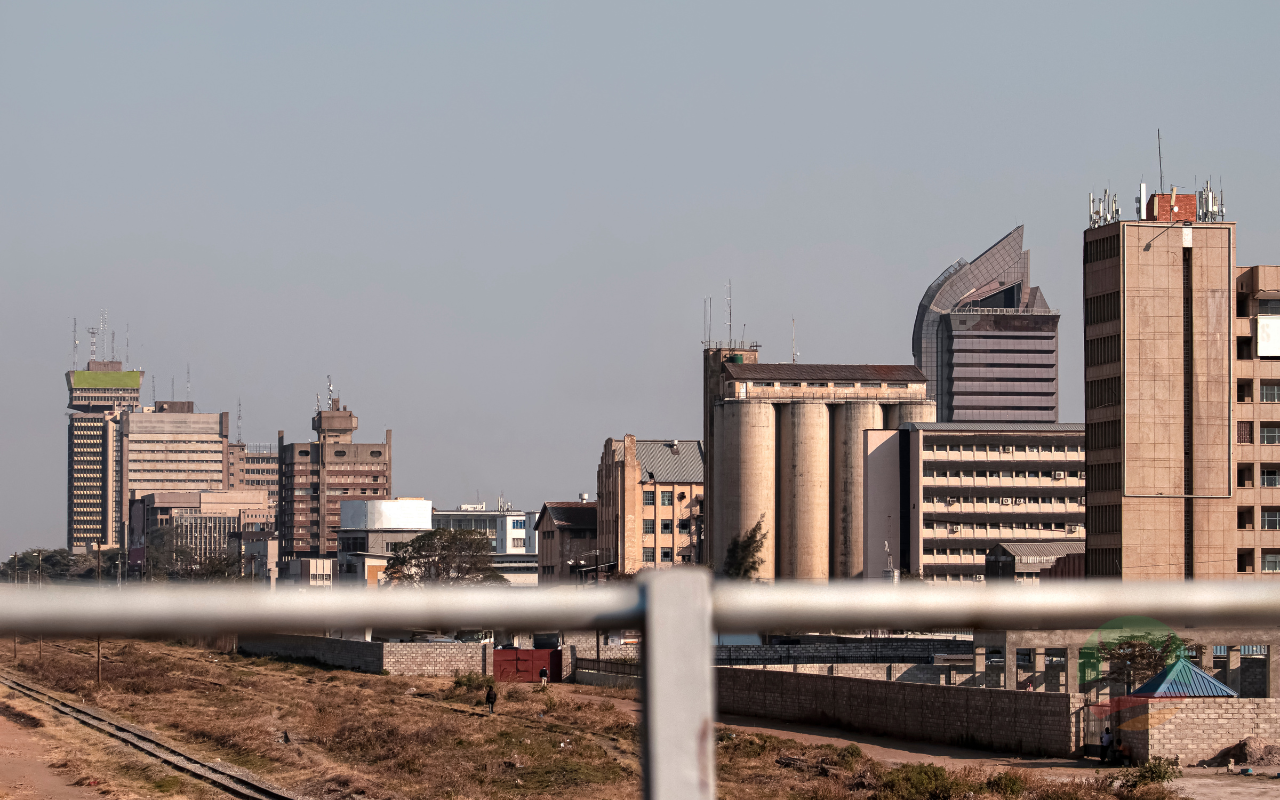
Photo: Sasun BughdaryanUnsplashUnsplash License
LUSAKA, 2 JUNE 2026—Updated 20 Jun 2026
LUSAKA — Chishimba Kambwili, a former Information Minister, pleaded guilty before the Lusaka Magistrates' Court to leaving Zambia without clearing immigration; the matter is now bound for sentencing.
Kambwili, once a senior figure in the Patriotic Front (PF), had earlier denied the charge connected to a 2024 movement across the border with Zimbabwe. The decision to admit the offence, taken when Kambwili appeared before a Lusaka magistrate, removes the need for a contested hearing and leaves only the question of penalty. The court is the same forum that has handled a run of politically prominent matters, sitting alongside the higher-profile appeal traced in our coverage of the reserved Supreme Court judgment touching the former PF leadership.
Because Kambwili changed the plea, the prosecution will not call witnesses to prove the case. Instead, the State is expected to read the facts of the matter into the record before the magistrate moves to judgment. According to the court schedule, sentencing has been set for 4 June 2026. The procedural turn mirrors the kind of admitted-offence path that featured in our report on a recent enforcement case in Kabwe, where the facts, rather than a trial, carried the proceeding forward.
The charge falls under Zambia's immigration framework, which requires travellers to enter and leave the country through designated ports manned by the Department of Immigration. The Judiciary of Zambia, which administers the Magistrates' Courts, lists immigration offences among the matters routinely brought before subordinate courts in Lusaka.
Background
The case stems from a 2024 episode in which Kambwili is said to have crossed between Zambia and Zimbabwe outside an official immigration checkpoint. The State framed the conduct as an illegal departure — the act of leaving the country without being processed by immigration officers — which is treated as a distinct offence from any separate question of travel documents.
Zambian immigration law, administered through the Ministry of Home Affairs and the Department of Immigration, requires that every entry into and exit from the country be recorded at a gazetted port. Crossing outside those points, or evading inspection, exposes a traveller to prosecution regardless of nationality. The framework is designed to give the State a verifiable record of who moves across the border and when, a point immigration authorities stress in public guidance.
Kambwili remains a familiar name in Zambian public life. The former minister has moved through several political vehicles since leaving the PF front bench, and the courts have been a recurring backdrop to the careers of figures from that era — a pattern visible in the parliamentary manoeuvring set out in our story on a withdrawn PF parliamentary race. The present matter, narrow in its charge, nonetheless lands against that wider political weather. Readers can follow the thread through our local coverage.
Because the accused has admitted the offence, the State will present the facts of the case to the court rather than proceed to a trial, with the magistrate to deliver judgment on the agreed record.
— Summary of the State's position before the <a href="https://www.judiciary.gov.zm/">Lusaka Magistrates' Court</a>, June 2026
Snapshot: Charge — departing Zambia without passing through immigration (linked to a 2024 Zimbabwe crossing). Plea — changed from not guilty to guilty before a Lusaka magistrate. Next step — the State presents the facts; sentencing set for 4 June 2026.
What to watch
The immediate test is the 4 June judgment. Once the State reads the facts into the record, the magistrate weighs them and decides the penalty. The data point to watch is the sentence itself: the immigration statute allows for a fine, a custodial term, or a combination, and the qualitative question is where on that range the court lands for an admitted first instance of illegal departure. Analysis of subordinate-court practice shows magistrates routinely consider an early guilty plea as a factor in mitigation; evidence from sentencing in comparable matters reveals the facts as read by the State carry decisive weight when there is no trial.
A second thread is what the outcome signals about the even-handed application of immigration law to prominent defendants. The rule-of-law reading is straightforward: a former minister is being processed through the same statute and the same court that govern any other traveller. Research into how Zambia's courts handle high-profile defendants demonstrates that the visible, on-the-record path — plea, facts, judgment — is itself the point, irrespective of the eventual penalty.
Watch, too, for whether the sentence is delivered on 4 June as scheduled or deferred. Subordinate courts sometimes reserve judgment for a short period to prepare reasons, particularly where a defendant is well known and the record is expected to be scrutinised.
Frequently Asked Questions
These are the questions readers have been asking since Kambwili changed the plea. Short answers follow, drawn from the proceedings before the Lusaka Magistrates' Court and the published framework of Zambia's immigration law.
What is Chishimba Kambwili charged with?
In short, the charge is departing Zambia without passing through immigration — leaving the country outside an official checkpoint, in a matter connected to a 2024 crossing involving Zimbabwe. The answer, simply put, is that this is an immigration offence rather than a corruption or fraud count. The key is that Kambwili has now admitted the charge.
Why does the case not go to trial?
Because Kambwili changed an earlier not-guilty plea to guilty, no trial is needed. According to standard procedure before the Lusaka Magistrates' Court, the State will present the facts of the case to the magistrate rather than call witnesses to prove it. In other words, the admission converts the proceeding from a contest into a sentencing exercise on an agreed record.
When is sentencing expected?
The answer is 4 June 2026. The court has set that date for judgment, at which point the magistrate is expected to deliver the sentence after the State reads the facts. Evidence from the court schedule shows the matter has been listed specifically for judgment rather than further argument.
What penalty could follow a guilty plea?
Analysis of Zambia's immigration statute reveals that the available penalties for illegal departure can include a fine, a custodial term, or both, with the precise outcome left to the magistrate. The key is that the law sets a range, and the court applies it to the facts as read. Research into comparable matters demonstrates that an early guilty plea is commonly treated as a mitigating factor — though the eventual sentence remains the magistrate's to determine.
Where can readers verify the official position?
The most reliable sources are the Judiciary of Zambia, which administers the Magistrates' Courts, and the Department of Immigration, which enforces the entry-and-exit rules. In other words, the court and the immigration authority are the primary references — data and guidance from those two bodies, together, frame what the charge means and how the matter proceeds.
Sources
Judiciary of Zambia: official portal, administering the Lusaka Magistrates' Court. Department of Immigration (Zambia): entry-and-exit framework. Ministry of Home Affairs and Internal Security: policy and oversight. Proceedings reported from the open sitting of the Lusaka Magistrates' Court, with the facts to be presented by the State ahead of judgment on 4 June 2026.
More on Local

Great East Road to be widened into a dual carriageway
President Hakainde Hichilema pledged to widen the Great East Road into a dual carriageway and build the Chipata-Lundazi road, alongside a 100MW solar project and hospital upgrades in Eastern Province.

Lusaka widens Twin Palm Road into a dual carriageway
The Lusaka City Council says work to widen Twin Palm Road from a single into a dual carriageway is progressing and due for completion in September 2026, part of a 40.17km, K1.8 billion township roads programme funded by the Ministry of Local Government and Rural Development.
The Kwacha News briefing.
Business, markets and the Zambian economy — in your inbox.

