

DEC seizes cannabis and codeine on a Kabwe bus
Officers found drugs hidden in the fuel tank of a bus bound for the Copperbelt, a snapshot of the trafficking routes running through central Zambia.
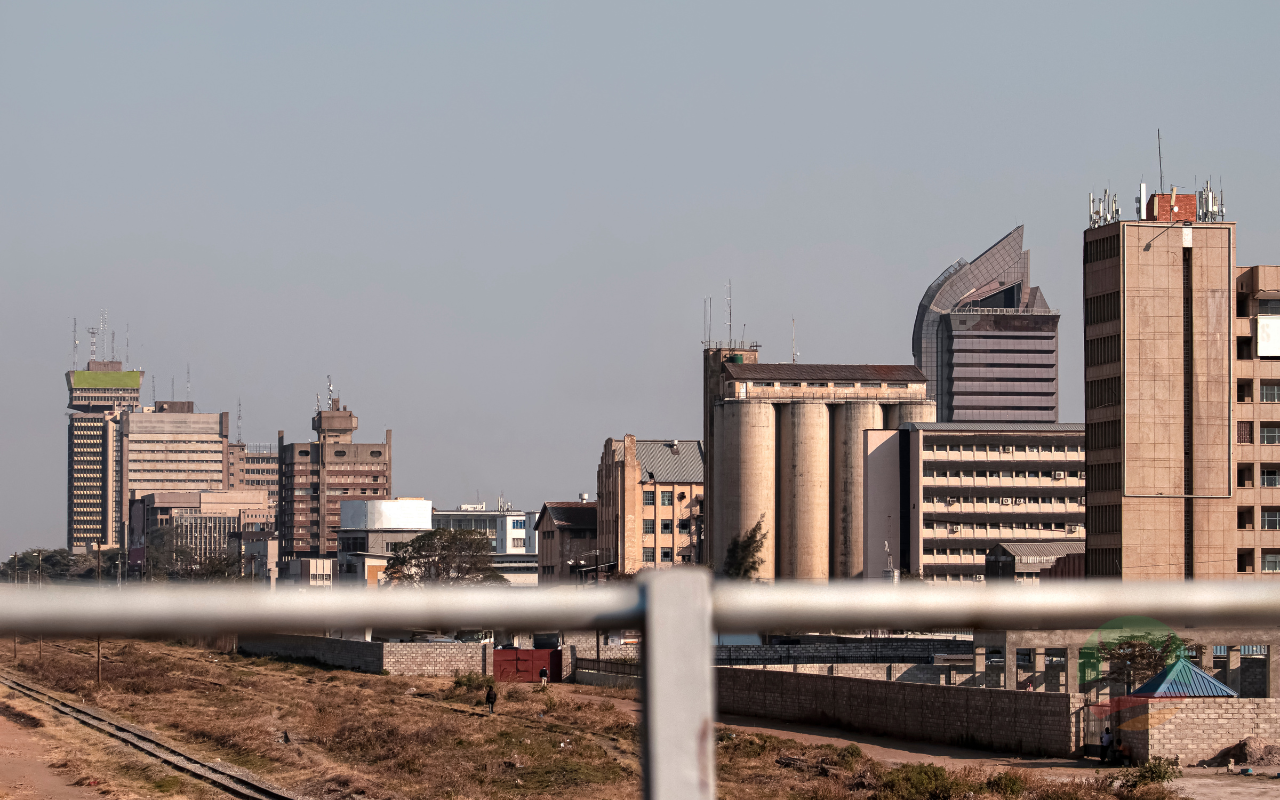
Photo: Random InstituteUnsplashUnsplash License
LUSAKA, 1 JUNE 2026—Updated 20 Jun 2026
KABWE — A public bus stopped on the Great North Road is the latest front in Zambia's drug fight, after the Drug Enforcement Commission found cannabis and codeine in its fuel tank and arrested five.
The interception matters beyond one bus. It maps a trafficking route — south through a border post, north towards the Copperbelt's mining towns — and points to a quieter public-health problem: the abuse of codeine cough syrup among young people.
The Drug Enforcement Commission said officers intercepted the public service bus near Kasanda in Kabwe. The vehicle had entered Zambia through the Chirundu border post from South Africa and was headed for the Copperbelt when it was stopped.
Concealed in the fuel-tank compartment, officers recovered about 3.1 kilograms of compressed high-grade cannabis, 143 bottles of a codeine-based cough syrup, and 11 tablets of a suspected narcotic. Five people travelling on the bus were arrested and are due to be charged.
Officers intercepted a public service bus and recovered compressed cannabis, bottles of a codeine-based cough syrup and suspected narcotic tablets concealed in the fuel-tank compartment; five people were arrested.
— Drug Enforcement Commission, <a href="https://www.mohais.gov.zm/?page_id=1909">Ministry of Home Affairs and Internal Security</a>
Kabwe sits at the centre of Zambia's road network, where the Great North Road funnels traffic between Lusaka, the Copperbelt and the borders. That geography makes it a chokepoint for both legitimate trade and smuggling. It is the kind of local story — policing, public safety, the daily texture of a provincial town — that anchors Kwacha News's Local coverage, alongside reporting like the passing of Paramount Chief Mpezeni IV.
The codeine problem
The 143 bottles of codeine syrup are as telling as the cannabis. Codeine, an opioid sold legitimately in cough medicine, is widely misused as a cheap high, and its trafficking in bulk points to demand among young Zambians. Health workers have long warned that prescription-drug abuse is a slower, less visible crisis than illegal narcotics.
The Kabwe interception — Where: a public bus on the Great North Road, near Kasanda, Kabwe. Route: entered via Chirundu from South Africa, bound for the Copperbelt. Seized: ~3.1kg compressed cannabis, 143 bottles of codeine syrup, 11 suspected narcotic tablets, hidden in the fuel tank. Arrested: five people.
A wider crackdown
The bust fits a busier year for the Drug Enforcement Commission, which has reported a string of larger cannabis seizures running into tonnes and has moved against trafficking networks and illicit assets. The commission, which sits under the Ministry of Home Affairs and Internal Security, both investigates drug crime and traces the money behind it.
What to watch
The next markers are the court process for the five arrested, who are presumed innocent until tried, and whether the interception leads investigators up the chain to suppliers rather than ending with couriers. The deeper question is demand: seizures treat the symptom, while the codeine and cannabis markets persist as long as buyers do.
Frequently Asked Questions
These are the questions readers ask about the Kabwe interception. Short answers follow, drawn from the Drug Enforcement Commission.
What is the Kabwe drug bust?
In short, it is a Drug Enforcement Commission interception of a Copperbelt-bound bus in Kabwe. The answer, simply put, is that drugs hidden in the fuel tank led to five arrests.
How does drug trafficking move through Zambia?
The evidence from this case shows drugs entering via border posts such as Chirundu and moving along the Great North Road. According to the commission, central towns like Kabwe are key transit points.
Why is codeine a concern?
The key is misuse. Research shows codeine, an opioid in cough syrup, is abused as a cheap high, and the seizure of 143 bottles points to demand among young people.
Who is the Drug Enforcement Commission?
In other words, Zambia's anti-narcotics agency, under the Ministry of Home Affairs and Internal Security. The data shows it both investigates drug crime and traces illicit assets.
What are the penalties for trafficking?
Analysis of Zambian law shows drug trafficking carries heavy custodial sentences and asset forfeiture. The answer is that the five arrested face charges, and remain presumed innocent until a court decides.
The Copperbelt's mining towns, with cash wages and a young workforce, are a ready market, which is why traffickers run the risk up the Great North Road. The Drug Enforcement Commission has paired interceptions like this with asset-tracing, going after the proceeds of trafficking as well as the drugs. But officers concede that seizures alone cannot close a market sustained by demand, and that prevention and treatment have to carry as much weight as policing. Codeine, sold legally in pharmacies, is especially hard to choke off at the border.
Sources
Drug Enforcement Commission, via the Ministry of Home Affairs and Internal Security. Zambia's drug-control framework sits under the National Assembly of Zambia statutes on narcotic drugs and psychotropic substances.
More on Local

Great East Road to be widened into a dual carriageway
President Hakainde Hichilema pledged to widen the Great East Road into a dual carriageway and build the Chipata-Lundazi road, alongside a 100MW solar project and hospital upgrades in Eastern Province.

Lusaka widens Twin Palm Road into a dual carriageway
The Lusaka City Council says work to widen Twin Palm Road from a single into a dual carriageway is progressing and due for completion in September 2026, part of a 40.17km, K1.8 billion township roads programme funded by the Ministry of Local Government and Rural Development.
The Kwacha News briefing.
Business, markets and the Zambian economy — in your inbox.

