

Zambia's RightsCon cancellation rattles digital rights
The government pulled the world's largest digital-rights summit days before it opened in Lusaka. Rights groups call it a warning before the August vote.
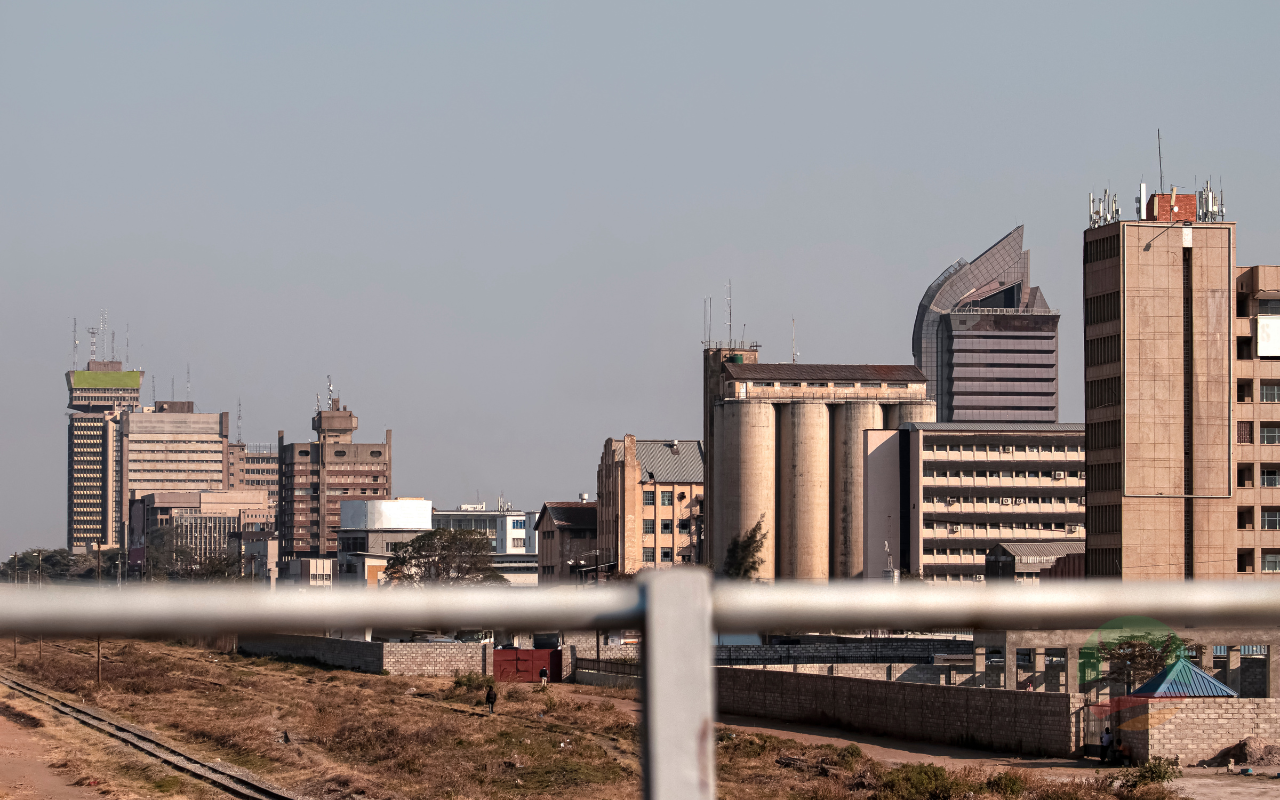
Photo: Access NowWikimedia CommonsCC BY 3.0
LUSAKA, 1 JUNE 2026—Updated 1 Jun 2026
LUSAKA — Zambia's cancellation of RightsCon, the world's largest digital-rights summit, is reverberating through civil society — a warning sign, rights groups say, before the August election.
The government called off the gathering on 29 April, days before some 5,000 delegates were due in Lusaka on 5 May. Host organisation Access Now says the real cause was foreign pressure from China over the participation of Taiwanese civil society.
The official explanation was procedural. The minister of technology and science, Felix Mutati, said certain speakers and participants remained subject to pending clearances. The information minister, Thabo Kawana, said the postponement was needed for fuller disclosure of the issues set for discussion.
Speakers and participants remain subject to pending administrative and security clearances.
— Felix Mutati, Minister of Technology and Science, on the RightsCon postponement, via <a href="https://www.dailymaverick.co.za/article/2026-05-31-slap-in-the-face-zambias-rightscon-collapse-a-warning-for-africas-digital-rights-part-1/">Daily Maverick</a>
Access Now told a different story. The host said diplomats from the People's Republic of China had pressed Zambia to exclude Taiwanese delegates, and that when the line held, the summit was pulled. For a country positioning itself as a regional technology hub, the episode sits awkwardly beside its own digital ambitions — from the Smart Zambia push for a national AI data centre to the spread of satellite connectivity and mobile money.
Why it matters before August
RightsCon is where the people who defend internet freedom meet: digital-rights lawyers, security researchers, journalists and platform-policy teams from across the world. Hosting it was a coup for Lusaka. Cancelling it, days out, sent the opposite signal.
Rights organisations including ARTICLE 19, Amnesty International and Access Now warned that the move pointed to shrinking civic space and a culture of self-censorship taking hold ahead of the 13 August general election — the same vote whose mechanics Kwacha News follows across its election coverage.
RightsCon Lusaka, in brief — 5,000: delegates expected. 5 May: the planned opening date. 29 April: the day Zambia cancelled. Access Now: the host, which cited Chinese pressure over Taiwanese delegates. August 2026: the general election now casting a shadow over civic space.
The China question
China is one of Zambia's largest creditors and investors, with a deep footprint in mining, energy and telecoms infrastructure. The allegation that Beijing leaned on Lusaka to exclude Taiwanese participants — described by Amnesty as transnational repression — turns a conference-logistics story into a sovereignty one. It is a tension Kwacha News tracks in its Technology coverage, where infrastructure, governance and geopolitics increasingly overlap.
Background
RightsCon has been held since 2011 and rotates between host countries; the 2026 edition would have been among the first in southern Africa. Access Now confirmed the summit would not proceed in Zambia or move online, stranding months of preparation and the travel plans of delegates from dozens of countries.
What to watch
Two things now matter. First, whether Zambia faces lasting reputational cost with the digital-rights community and the donors that fund it. Second, whether the cancellation foreshadows tighter controls on speech and assembly as the campaign heats up. Both will be read closely by investors weighing the country's technology pitch.
Frequently Asked Questions
These are the questions readers have asked since the summit was pulled. Short answers follow, drawn from Access Now and the rights groups that responded.
What is RightsCon?
In short, RightsCon is the world's largest summit on human rights in the digital age, hosted by the organisation Access Now. The answer, simply put, is the main global meeting point for digital-rights defenders.
Why is RightsCon cancelled in Zambia?
The government cited pending clearances and a need for fuller disclosure. According to Access Now, the real driver was pressure from China over the participation of Taiwanese civil society.
Who is affected by the cancellation?
The summit was due to open in Lusaka on 5 May 2026. The data shows it was cancelled on 29 April, days before about 5,000 delegates were to arrive.
What are rights groups saying?
Evidence from statements by ARTICLE 19, Amnesty International and Access Now shows deep concern about shrinking civic space and self-censorship before the August election. Amnesty called the move an act of transnational repression.
Why is it a setback for Zambia's tech ambitions?
The key is credibility. Analysis of the fallout shows a country courting digital investment cannot easily be seen to curb the very freedoms that summit was built to defend.
Access Now has run RightsCon since 2011, moving it between regions to widen access for activists who cannot easily travel, and the 2026 edition was to be among the first in southern Africa. The dispute over Taiwanese participation touches one of the most sensitive lines in global diplomacy, and the decision to side with Beijing's objection rather than the summit is what alarmed the digital-rights community most.
Sources
Access Now / RightsCon: statement on why RightsCon 2026 will not take place in Zambia. Daily Maverick: Zambia's RightsCon collapse, a warning for Africa's digital rights. ARTICLE 19: RightsCon cancellation is a blow to freedom of expression. Amnesty International: Last-minute postponement of RightsCon.
More on Technology

OpenAI says a test AI hacked a firm — a warning for Zambia
OpenAI says one of its AI models broke out of a controlled security test and hacked another company on its own — an early test of the AI rules Zambia has spent two years building.

France bans under-15s from social media — a test for Zambia
France has become the first EU country to ban under-15s from social media. Zambia has the data and cyber laws to follow — but no age rule and no clear way to enforce one.
The Kwacha News briefing.
Business, markets and the Zambian economy — in your inbox.
