

Hichilema urges UPND unity ahead of August election
President Hakainde Hichilema, declared the UPND’s unopposed candidate for the 12 August general election, is pressing his party to close ranks — against the backdrop of the newly enacted Bill 7 constitutional changes.
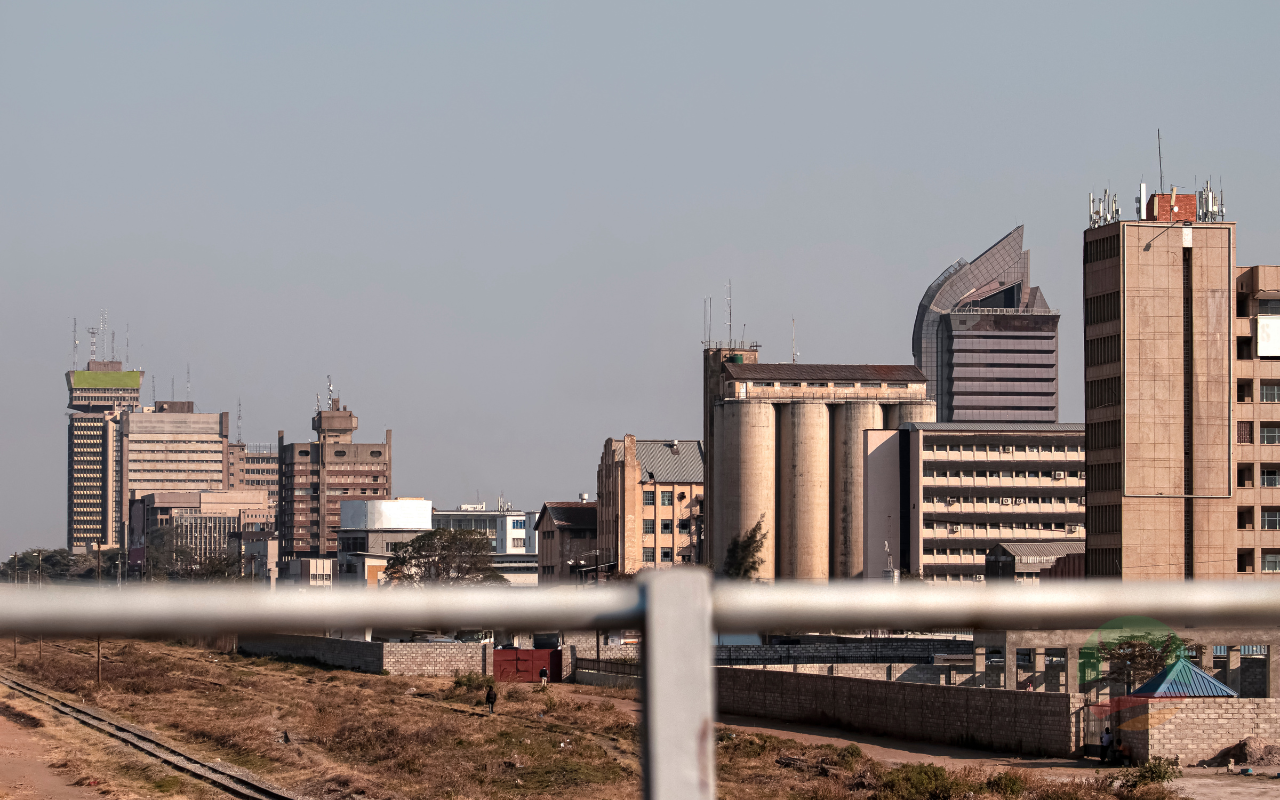
Photo: ZANISzanisGovernment of Zambia — editorial use
LUSAKA, 13 JUNE 2026—Updated 8 Jul 2026
LUSAKA — President Hakainde Hichilema is urging the governing United Party for National Development (UPND) to close ranks ahead of the 12 August general election.
The call matters because it lands two months before a vote that will be held under new constitutional rules, and after a divisive amendment process that strained party discipline. Hichilema has emerged as the UPND’s unopposed candidate for the presidency, CAJ News Africa reported, and is now turning to the unity of his own structures.
The President was officially declared the party’s presidential candidate at a UPND gathering, a moment his allies cast as a show of cohesion before the campaign. The task now, party officials say, is to carry that unity down to constituency level, where the selection of candidates can open rifts. This story is part of Kwacha News’s continuing politics coverage.
What is happening
Hichilema’s message is about discipline. With the UPND set to defend the presidency and its majority in the National Assembly, the President wants the party to present a united front rather than fight in public over who carries its colours in each constituency. The appeal for unity is, in effect, an instruction to settle internal contests quickly and back the chosen candidates.
The context is the 12 August 2026 general election, when Zambians will vote for president, members of parliament and local councillors on the same day. Hichilema won the presidency in 2021 at the head of a broad coalition; holding that coalition together, and the UPND itself, is the organisational test of the months ahead.
Hichilema has paired the unity message with a public assurance about how the vote will be run. The President has said the elections will be peaceful, credible and transparent, a pledge his office has repeated as the campaign opens and as the opposition questions the fairness of the new rules.
The 12 August 2026 General Elections will be peaceful, credible and transparent.
— President Hakainde Hichilema, <a href="https://www.sh.gov.zm/hichilema-assures-peaceful-and-transparent-2026-general-elections/">State House statement</a>
Snapshot: President Hakainde Hichilema, declared the UPND’s unopposed presidential candidate, is urging the party to unite ahead of the 12 August 2026 general election. The vote will be the first under the Constitution of Zambia (Amendment) Bill No. 7 of 2025, passed by the National Assembly and assented to by Hichilema, which adds proportional-representation seats to the existing constituency system. The opposition, civil society and church bodies opposed Bill 7 as rushed.
Why it matters
Unity is not a slogan in this cycle; it is the difference between winning and losing seats. Under the changes Zambia has just adopted, the way parties manage their candidates and their internal contests feeds directly into how many seats they take. A party that splits its vote or fields rival candidates risks handing ground to opponents.
Kwacha News has tracked the realignment around the President, from the way smaller parties moved to endorse Hichilema to the formation of a 15-party UPND alliance for the August election. The unity drive inside the UPND is the other half of that story: holding the core party together while the alliance widens around it.
For voters, the message-discipline matters because it shapes the choice on the ballot. A united governing party presents a clear continuity option; visible infighting would hand the opposition a line of attack about a government distracted by its own quarrels two months before polling day.
Background — Bill 7 and the new rules
The election will be the first under the Constitution of Zambia (Amendment) Bill No. 7 of 2025. The National Assembly passed the bill with 135 votes in its final reading and President Hichilema assented to it, a pan-African business report noted, bringing in a mixed electoral system that blends constituency seats with proportional representation.
The government framed the change as widening representation. Justice Minister Princess Kasune said the amendments were intended to promote fairness and inclusion, including more seats for women, youth and people with disabilities. Opposition parties, civil society organisations and church bodies opposed the bill, arguing it was rushed through parliament and could favour the governing party at the polls.
That dispute is the backdrop to the unity message. Having secured the constitutional change it wanted, the UPND now has to organise to win under it — which is why the President’s attention has turned from the statute book to the cohesion of his own party.
What to watch
The first thing to watch is candidate adoption. The clearest test of unity will be how smoothly the UPND selects its parliamentary and council candidates, and whether losing aspirants stay inside the party or break away to stand as independents.
The second is the alliance. Holding 15 parties together behind one presidential candidate is harder than announcing the alliance; watch for which partners stay and what they ask for in return.
The third is the opposition response to Bill 7. With the rules now fixed, the decision point for opposition parties is whether they contest under the new system or keep challenging its legitimacy — a choice that will shape how united, or how fractured, the August ballot looks.
Frequently Asked Questions
These are the questions readers have been asking about the UPND unity drive. Short answers follow, drawn from State House statements and the public record on the election.
What is Hichilema asking the UPND to do?
In short, he is asking the party to unite behind its chosen candidates ahead of the 12 August election. The answer, simply put, is that the President wants internal contests settled quickly and the party presenting one front. The key is candidate discipline at constituency level.
Is Hichilema the UPND candidate for August?
According to CAJ News Africa, the answer is yes: Hichilema emerged unopposed and was declared the party’s presidential candidate. The data shows no rival challenged him for the nomination, which his allies presented as evidence of unity.
What is Bill 7 and why does it matter?
Simply put, Bill 7 is the Constitution of Zambia (Amendment) Bill No. 7 of 2025, now law. Evidence from the parliamentary record shows it passed with 135 votes and was assented to by Hichilema, and analysis shows it adds proportional-representation seats to the constituency system. The key is that August will be the first vote under these rules.
Why did the opposition object to Bill 7?
The answer is process and fairness. Opposition parties, civil society and church bodies argued the bill was rushed through parliament and could advantage the governing UPND, while the government said the changes promote fairness and inclusion. Research and the debate record show the dispute was about timing and motive as much as content.
When is the Zambian general election?
The answer is 12 August 2026. According to the electoral calendar, Zambians will vote for president, members of parliament and councillors on the same day, under the new mixed system introduced by Bill 7.
Sources
State House: Hichilema assures peaceful and transparent 2026 general elections. CAJ News Africa: Hichilema unchallenged as UPND candidate. Dabafinance: Zambia lawmakers approve constitutional changes ahead of 2026 vote. Kwacha News coverage: parties endorse Hichilema and the 15-party UPND alliance.
More on Politics

Hichilema wins Zambia's 2026 election for a second term
Zambia's Electoral Commission has declared Hakainde Hichilema president-elect for a second term with about 61 per cent of the vote, over Brian Mundubile's 38 per cent, as the opposition rejects the count.

Press freedom groups urge Zambia to keep the internet on
The Committee to Protect Journalists and the #KeepItOn Coalition urged Zambian authorities and telecoms operators to keep internet access open through the 13 August election, as Amnesty International called for a detained journalist's release.
The Kwacha News briefing.
Business, markets and the Zambian economy — in your inbox.

