

Hichilema warns illegal mining risks fuelling militias
Campaigning in North-Western Province, President Hakainde Hichilema said unsafe and illegal mining is becoming a security threat and pledged to build the province into a major economic hub on the back of its mineral wealth.
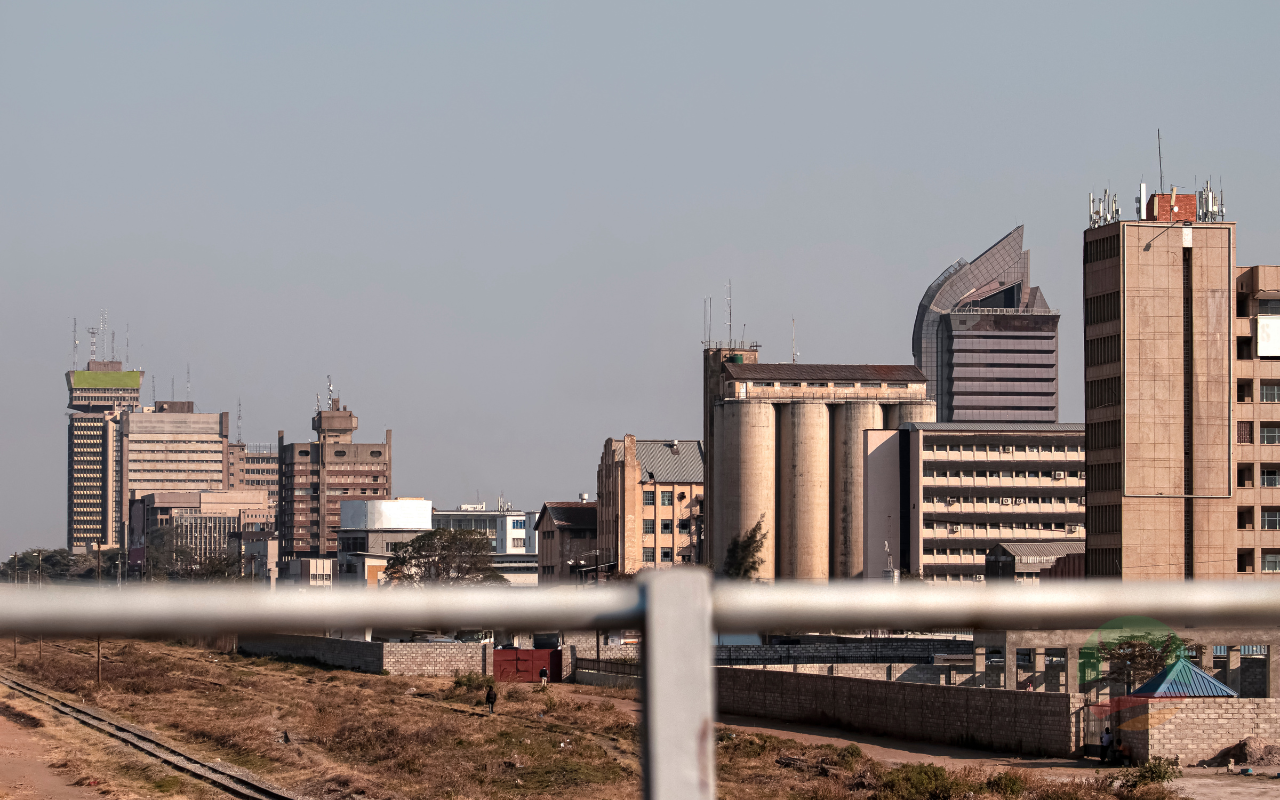
Photo: Volker BraunPexelsPexels License
LUSAKA, 3 JULY 2026—Updated 8 Jul 2026
SOLWEZI — President Hakainde Hichilema warns that illegal and unsafe mining is becoming a growing security threat in Zambia.
Campaigning in North-Western Province, Hichilema said poorly regulated mine sites risk turning into flashpoints for armed militias if the practice is left unchecked. He paired the warning with a pledge to turn the province into a major economic hub, powered by new mines, jobs and infrastructure built on its mineral resources. The dual message — security risk on one side, economic opportunity on the other — sets up mining as one of the defining issues of the campaign heading into the 13 August general election.
The warning
Hichilema told campaign audiences in North-Western Province that unsafe and illegal mining is no longer just a licensing or revenue problem for Zambia — it is a security problem. Unregulated pits and informal mining camps, he said, create the conditions for armed groups to form around control of mineral wealth, echoing patterns seen in mineral-rich conflict zones elsewhere on the continent.
Mines should not create rivers of blood.
— President Hakainde Hichilema, campaign address in North-Western Province
The President said the phrase captures why his government is treating illegal and unsafe mining as a frontline security issue rather than a purely economic one. Zambia's mineral wealth, he said, must build the country up — not become the fuel for violence between rival groups competing to control informal digging sites.
The United Party for National Development has publicly welcomed the remarks, describing them as a message aimed at safeguarding Zambia's mineral wealth and curbing unsafe and illegal mining. Party officials said the comments reflect a consistent government position: that mineral resources are a national asset requiring formal, regulated, and safe extraction, not a prize to be fought over informally.
Special Forces at Kikonge Mine
The warning arrives alongside a concrete security operation on the ground. Zambia Army Special Forces have been deployed to Kikonge Mine in Mufumbwe District, North-Western Province, as part of a crackdown on illegal mining. The deployment has been described as a milestone in combating illegal mining and enhancing safety at a site that has drawn informal and unlicensed operators seeking access to its mineral deposits.
Kikonge sits within the wider North-Western Province mining corridor, an area that has attracted both formal mining investment and a persistent informal sector operating outside licensing and safety rules. Special Forces units bring a level of discipline and enforcement capacity that ordinary policing has struggled to match at remote, hard-to-reach pits, where unsafe digging methods have previously caused fatal collapses across Zambia's mining regions.
The Zambia Army has not detailed how long the deployment will run or how many personnel are involved, but officials have framed the operation as part of a broader push to formalise artisanal and small-scale mining rather than simply shutting it down. That distinction matters for a province where informal mining supports thousands of livelihoods even as it strips revenue from the state and creates the safety and security risks Hichilema flagged on the campaign trail.
Snapshot — key facts: President Hakainde Hichilema warned during his North-Western Province campaign swing that illegal and unsafe mining risks fuelling armed militias, saying mines should not create rivers of blood. Zambia Army Special Forces have been deployed to Kikonge Mine in Mufumbwe District as part of a crackdown on illegal mining, a move described as a milestone in combating the practice. The UPND has welcomed the remarks as a message aimed at safeguarding Zambia's mineral wealth. Zambia's general election is 13 August 2026.
Building North-Western into an economic hub
Alongside the security warning, Hichilema used the North-Western Province leg of his campaign to pitch a development plan for the region, built around formal mining investment. He pledged new mines, new jobs and new infrastructure, arguing that the province's copper, cobalt and manganese deposits can anchor an economic hub if extraction happens through licensed, safety-compliant operators rather than informal digging.
This builds on ground Hichilema has covered before in the province. As Kwacha News has reported, Hichilema has taken his re-election campaign to North-Western Province repeatedly this cycle, pairing infrastructure pledges — including projects linked to the Lobito Corridor rail route — with appeals to communities that host the country's newest mining investment. Formal mining growth and security enforcement, in his framing, are two sides of the same policy: neither works without the other.
The pitch is also a re-election argument. North-Western Province has become one of the fastest-growing mining regions in Zambia over the past decade, and the ruling party is positioning that growth as evidence its economic management is working. Analysts note that translating mineral wealth into visible local jobs and infrastructure — roads, schools, clinics — is the harder half of the pledge, and the one voters will judge most directly.
Why illegal mining has become a security issue
Illegal and unsafe mining has been a recurring flashpoint in Zambia's mining provinces, and not only on the security dimension Hichilema raised. As Kwacha News has reported, the Ministry of Mines has separately pushed back on claims that soldiers were intimidating informal miners, underlining how contested the government's enforcement approach has become even as officials argue it is necessary for safety and order.
The security concern behind Hichilema's warning sits inside a wider pattern this election season. Kwacha News has also reported on campaign violence incidents that drew a separate presidential rebuke, part of a broader push from the President to keep the run-up to the 13 August vote peaceful. Framing illegal mining as a security risk, rather than only a revenue or licensing issue, places it alongside campaign violence as a stability concern the government says it is actively managing before polling day.
Data from the mining sector shows informal and unlicensed operations tend to cluster around newly discovered or reopened deposits, where formal licensing has not kept pace with the rush of small-scale, informal miners. Research on artisanal mining across the region shows that without early formalisation, informal sites become harder to regulate and more prone to violent disputes over access — the exact dynamic Hichilema's warning points to.
This is part of Kwacha News's continuing politics coverage of the 2026 election campaign and the security and economic issues shaping it.
What to watch
The first thing to watch is the scale and duration of the Kikonge deployment. If Special Forces units remain in place and the operation expands to other North-Western sites, it signals a sustained enforcement campaign rather than a one-off show of force ahead of the election.
The second is whether the government follows enforcement with formalisation — licensing pathways, safety standards and revenue-sharing arrangements that give informal miners a legal route to keep working. Analysis of similar interventions elsewhere suggests enforcement alone tends to push informal activity elsewhere rather than end it, while formalisation programmes have a better record of reducing both safety incidents and security risk.
The third is how the opposition responds to Hichilema's framing. Given the UPND has welcomed the remarks as protective of national mineral wealth, the next test is whether rival campaigns in North-Western Province offer a competing account of how to manage illegal mining, or whether they largely accept the security framing and focus instead on delivery — jobs, roads, clinics — as the 13 August vote approaches.
Frequently Asked Questions
These are the questions readers have been asking since President Hichilema's North-Western Province remarks and the Kikonge Mine deployment. Short answers follow, drawn from the President's public statements and the government's security response.
What is President Hichilema's warning about illegal mining?
In short, Hichilema's warning is that illegal and unsafe mining is becoming a growing security threat in Zambia, one that could fuel armed militias if left unchecked. The answer, simply put, is that unregulated mine sites create the conditions for violent competition over mineral wealth. The key is his own framing of the risk: mines should not create rivers of blood.
How does the Kikonge Mine deployment fit into the crackdown?
Zambia Army Special Forces were deployed to Kikonge Mine in Mufumbwe District as a direct enforcement response to illegal mining at the site. Officials describe the deployment as a milestone in combating illegal mining and enhancing safety. Research on similar enforcement operations shows that military-backed deployments can quickly reduce unsafe activity at a specific site, though sustaining that result typically requires follow-up formalisation and licensing.
Why is illegal mining being treated as a security issue rather than only an economic one?
Illegal mining had previously been discussed mainly in revenue and licensing terms. According to Hichilema's own remarks, the answer is that unsafe and illegal mining now carries a direct security dimension — the risk that armed militias form around control of informal digging sites. Data from mining-sector research shows that pattern is common in areas where formalisation lags behind a rush of informal extraction.
What are Hichilema's economic pledges for North-Western Province?
Hichilema pledged to build North-Western Province into a major economic hub powered by its mineral resources, including new mines, new jobs and new infrastructure. In other words, the pledge pairs security enforcement against illegal mining with an investment case for formal mining growth — the two halves of the same campaign message on the province's mineral wealth.
Which party has responded publicly to Hichilema's remarks?
The United Party for National Development has responded publicly, welcoming the remarks as a message aimed at safeguarding Zambia's mineral wealth and curbing unsafe and illegal mining. The answer reflects the ruling party's broader election-season position that formal, safe and secure mining is central to its economic record and its pitch for a second term.
Sources
President Hakainde Hichilema's remarks on illegal mining and security, and his North-Western Province economic pledges, were made in public campaign addresses during his re-election tour of the province. The Zambia Army Special Forces deployment to Kikonge Mine in Mufumbwe District is a government security action; further detail on the force's mandate and operations is available via the Zambia Army's official website. Kwacha News coverage: Hichilema takes 2026 campaign to North-Western Province, Mines ministry rejects claim soldiers intimidate miners, and two campaign killings draw presidential rebuke.
More on Politics

Hichilema wins Zambia's 2026 election for a second term
Zambia's Electoral Commission has declared Hakainde Hichilema president-elect for a second term with about 61 per cent of the vote, over Brian Mundubile's 38 per cent, as the opposition rejects the count.

Press freedom groups urge Zambia to keep the internet on
The Committee to Protect Journalists and the #KeepItOn Coalition urged Zambian authorities and telecoms operators to keep internet access open through the 13 August election, as Amnesty International called for a detained journalist's release.
The Kwacha News briefing.
Business, markets and the Zambian economy — in your inbox.

