

Gold's record run is a quiet opening for Zambia
The same war lifting Zambia's fuel bill has driven gold to records. For a country building gold reserves and a young mining sector, that cuts both ways.
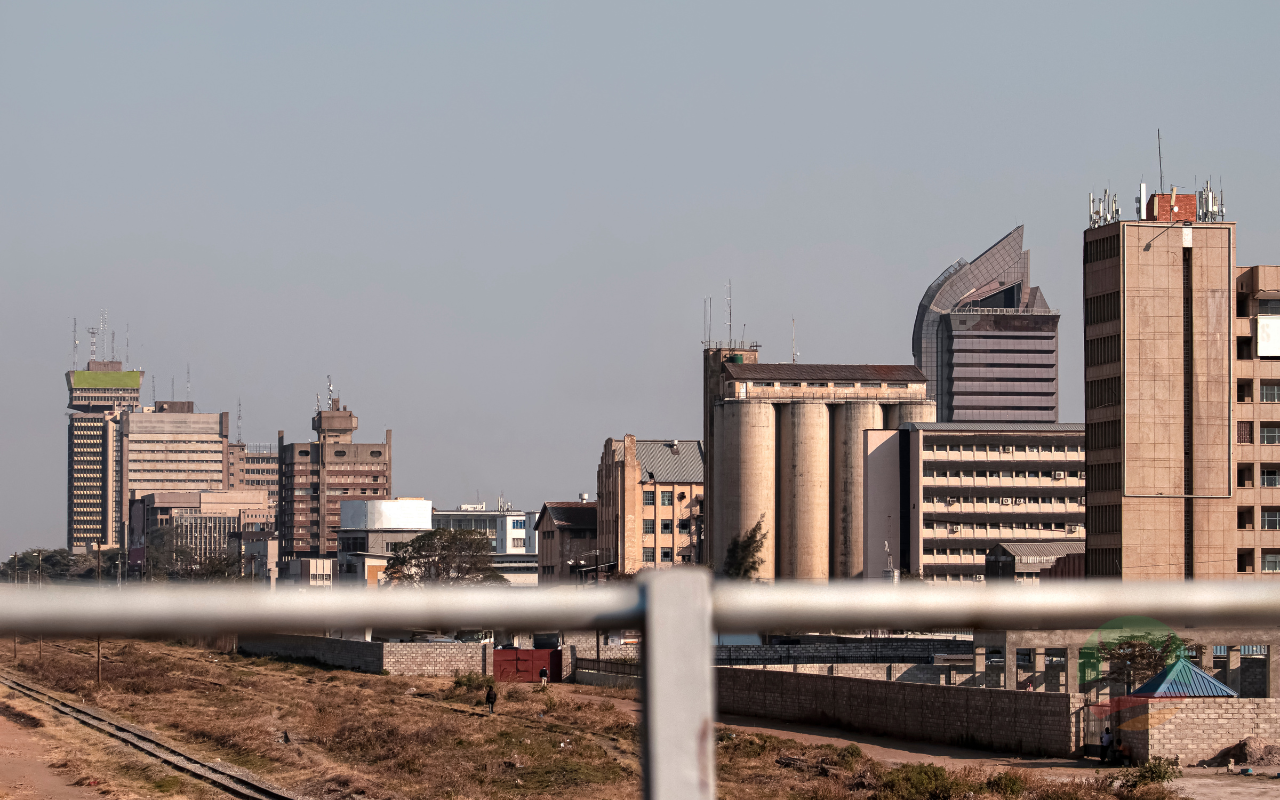
Photo: ChongkianwikidataCC BY-SA 4.0
LUSAKA, 1 JUNE 2026—Updated 8 Jul 2026
LUSAKA — Gold's record run is the flip side of the war driving up Zambia's fuel bill — and for a country building gold reserves and a young mining sector, it is an opening as much as a warning.
The same safe-haven rush that follows conflict and fiscal risk has pushed gold to all-time highs. Zambia feels it twice over: as a copper economy whose currency rides commodity moods, and as a state that has been quietly turning some of its own gold into reserves.
Gold's all-time high stands at $5,589.38 an ounce, set on 28 January 2026, and the metal has spent the year trading well above $4,500 as investors seek shelter. The drivers are familiar: geopolitical turmoil, a weaker US dollar, sticky inflation and the Iran war, with prices easing only on reports of a tentative ceasefire.
Behind the price sits a structural buyer: central banks. J.P. Morgan Global Research expects around 755 tonnes of official gold purchases in 2026 — below the 1,000-tonne-plus peaks of recent years, but well above the pre-2022 norm of 400 to 500 tonnes, as states diversify away from the dollar.
Around 755 tonnes of central bank purchases are expected in 2026 — a step lower than the peak of the last three years of more than 1,000 tonnes, but still elevated compared with pre-2022 averages closer to 400 to 500 tonnes.
— J.P. Morgan Global Research, <a href="https://www.jpmorgan.com/insights/global-research/commodities/gold-prices">gold price outlook</a>
This is the second half of a story Kwacha News told from the other side. The oil shock from the Iran war raises Zambia's import bill; the gold rush it also fuels offers a partial offset, the same hedge logic behind the earlier read on gold, the Fed and frontier markets.
Why gold is a Zambian story
Zambia is known for copper, but it has moved to build a gold position on two fronts. The Bank of Zambia has worked to accumulate gold reserves, buying from domestic production to strengthen the buffer that backs the kwacha. And the government has pushed gold mining — including state-linked operations in the North-Western Province — as a way to diversify exports beyond a single red metal.
Record prices make both bets pay better. Reserves built earlier are worth more, cushioning the currency against shocks like the fuel-price spike. New gold output earns more per ounce, improving the economics of mines that were marginal at lower prices. It is a rare case where a global risk event tilts partly in Zambia's favour.
Gold in 2026 — $5,589.38: the all-time high, set 28 January. Above $4,500: where gold has traded much of the year. ~755 tonnes: expected central bank buying in 2026. 400-500 tonnes: the pre-2022 norm. The drivers: war, a weak dollar, sticky inflation and safe-haven demand.
The catch
The upside is real but bounded. Zambia's gold sector is small next to copper, so the export gains are modest. Reserve accumulation depends on the central bank having the fiscal room to buy. And the same conditions lifting gold — war, inflation, a slowing world economy — threaten the copper price and global growth that matter far more to Zambia. Gold is a hedge, not a windfall, a balance Kwacha News weighs across its World coverage.
What to watch
Watch whether the Iran ceasefire holds, which would cool both oil and gold, and whether the Bank of Zambia keeps adding to reserves at these prices. The bigger signal is copper: if the global slowdown that gold is pricing in arrives, the metal that really moves Zambia's economy would weaken just as the gold cushion thins.
Frequently Asked Questions
These are the questions readers ask about gold's record run and Zambia. Short answers follow, drawn from market data and central-bank research.
What is driving gold's record high?
In short, safe-haven demand. The answer, simply put, is that war, a weak dollar, sticky inflation and central-bank buying have pushed gold to an all-time high of $5,589.38 an ounce.
How does the gold price affect Zambia?
The data shows two effects: gold reserves held by the Bank of Zambia gain value, and the country's gold output earns more. According to the hedge logic, that partly offsets the oil-driven fuel bill.
Why is Zambia building gold reserves?
The key is resilience. Evidence from central-bank policy shows gold reserves strengthen the buffer behind the kwacha and reduce reliance on the US dollar.
Who is buying gold at these prices?
In other words, central banks and risk-averse investors. Research from J.P. Morgan shows official buyers alone are expected to take around 755 tonnes in 2026.
What are the risks for Zambia?
Analysis of the trade-offs shows the same forces lifting gold threaten copper and global growth, which matter more. The answer is that gold is a hedge, not a windfall.
Sources
CNBC: gold surges past $5,000 record. J.P. Morgan Global Research: gold price outlook. World Gold Council: Gold Demand Trends, Q1 2026.
More on Africa/World

TAZARA at 50: Zambia weighs two routes to the sea
As TAZARA turns 50, landlocked Zambia is weighing two rival routes for its copper: east to the Indian Ocean via a rebuilt TAZARA, or west to the Atlantic via the Lobito Corridor.

African leaders back trade insurer ATIDI after record year
African leaders endorsed ATIDI — the pan-African insurer Zambia belongs to — as a cornerstone of a new African-led financial architecture, as the body marked 25 years with record 2025 results and a call to recapitalise it to US$2 billion.

Railway revival sweeps Southern Africa as Zambia eyes TAZARA
South Africa's freight-rail reforms, the Lobito Corridor and a revived TAZARA line are redrawing Southern Africa's transport map, as President Hichilema pledges a further $1.6 billion recapitalisation of the Tanzania-Zambia railway.
The Kwacha News briefing.
Business, markets and the Zambian economy — in your inbox.