

ECZ orders independents to replace candle symbols
The Electoral Commission of Zambia has directed independent candidates assigned the "Candle" symbol to choose alternatives ahead of the 13 August general elections, after the symbol was found to resemble one already registered to a political party.
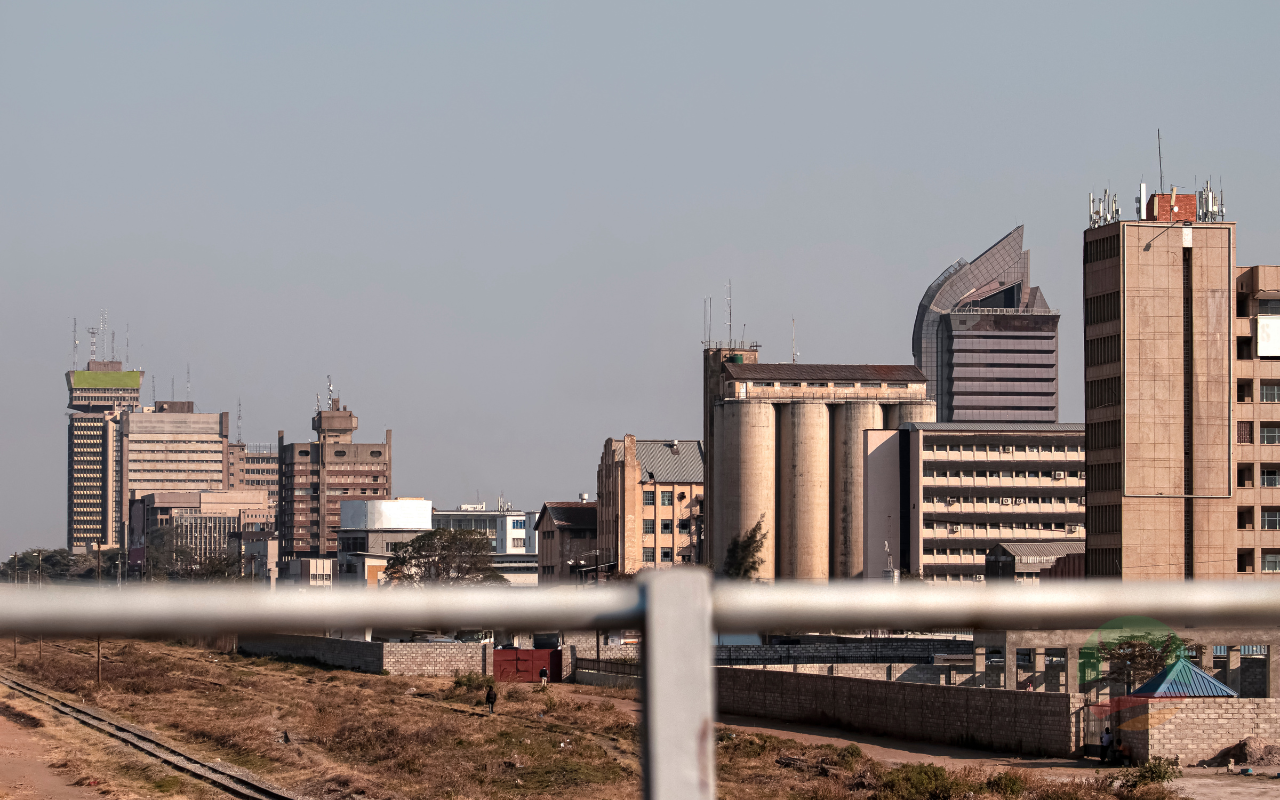
Photo: ZANISzanisGovernment of Zambia — editorial use
LUSAKA, 8 JUNE 2026—Updated 8 Jul 2026
LUSAKA — The Electoral Commission of Zambia has ordered independent candidates assigned the Candle campaign symbol to select replacement symbols before the 13 August general elections, a directive that represents a last-minute adjustment to the ballot in dozens of constituencies across the country.
The directive, issued on 6 June 2026 and addressed to Town Clerks and Council Secretaries nationwide, gives affected candidates until Wednesday 10 June to submit their preferred alternative symbol to the Electoral Commission of Zambia headquarters. Any candidate who fails to respond by the deadline will have a symbol allocated by the commission itself, under Regulation 8(6) of the Electoral Process (General) Regulations. The order means that independent candidates in the August elections face another procedural hurdle at a moment when the campaign period is already under way.
Why the Candle symbol was withdrawn
The Electoral Commission of Zambia found that the Candle symbol bore too close a resemblance to a symbol currently registered to a political party. Under Zambian electoral law, each candidate's symbol must be distinct enough for voters to identify it without confusion on the ballot paper. When a similarity is detected, the commission has the authority — and the obligation — to direct a change. The decision is administrative rather than punitive: no candidate is accused of wrongdoing, but the symbol cannot remain on the ballot in its current form.
The commission's powers on symbol allocation derive from the Electoral Process Act and the accompanying General Regulations. Regulation 8 governs the assignment, use and replacement of campaign symbols. Sub-regulation 8(6) gives the commission the fallback authority to allocate a symbol where a candidate does not choose one within the prescribed period. The provision exists precisely for situations like this — where a symbol must be withdrawn after it has already been assigned.
Symbol disputes are not new in Zambian elections. In past cycles, candidates have challenged allocations they considered unfairly similar to a rival's, and the commission has intervened to reassign symbols before ballot papers were printed. What makes this case notable is the timing: the directive lands fewer than 10 weeks before polling day, with nomination processes largely complete and campaign materials already in circulation. Candidates who have printed posters, banners or leaflets bearing the Candle symbol will need to reprint them — an added cost that falls on the candidate.
The 10 June deadline and what follows
The commission's directive sets a firm deadline of Wednesday 10 June 2026. Candidates must submit their preferred replacement symbol to the Electoral Commission of Zambia headquarters in Lusaka by that date. The commission has not published a list of available symbols, but candidates are expected to choose from the pool of unregistered symbols that do not conflict with any party emblem or another independent's allocation.
If a candidate does not submit an alternative by the deadline, the commission will assign a symbol on the candidate's behalf. The regulation does not give the candidate a right of appeal against the allocated symbol — once assigned under Regulation 8(6), it stands. This creates a practical incentive for every affected candidate to respond before Wednesday, since choosing a symbol is better than being assigned one that may not suit the candidate's campaign messaging.
The process also raises a logistical question for rural constituencies where independent candidates may not have immediate access to the Lusaka headquarters. The directive was addressed to Town Clerks and Council Secretaries, which suggests the commission expects local government offices to relay the information — but the submission must still reach Lusaka. Candidates in remote districts have fewer than four days from the date of the directive to comply.
Impact on independent candidates
Independent candidates already navigate a more difficult path to the ballot than party-sponsored contenders. They must collect nomination signatures, fund their own campaigns and build name recognition without a party structure behind them. A symbol change at this stage adds a further layer of complexity. The Candle symbol, for those who had it, was already appearing on campaign materials — and in voters' minds. A forced switch means re-establishing that visual association from scratch.
The directive also intersects with other pressures on independent candidates this cycle. As Kwacha News reported, a High Court petition seeks to disqualify more than 100 independent candidates on the grounds that they remain members of political parties, in breach of Article 51 of the Constitution. Separately, an investigation into forged nomination certificates has raised questions about the integrity of the nomination process for some candidates. Together, these developments mean independents face legal, administrative and now symbolic challenges simultaneously.
For voters, the change matters less in legal terms than in practical ones. A voter who has been told to look for the Candle on the ballot paper will need to learn a new symbol before 13 August. In constituencies with many candidates — some Zambian seats attract more than a dozen — symbol recognition is one of the few shortcuts voters have. A mid-campaign switch erodes that shortcut, and the burden falls disproportionately on candidates with lower name recognition who relied on the visual symbol more heavily.
Candidates who were assigned the Candle symbol are hereby directed to submit their preferred alternative symbol to the Electoral Commission of Zambia headquarters no later than Wednesday 10 June 2026. Failure to submit an alternative shall result in a symbol being allocated by the commission under Regulation 8(6) of the Electoral Process (General) Regulations.
— Electoral Commission of Zambia directive to Town Clerks and Council Secretaries, 6 June 2026
Key facts: The Electoral Commission of Zambia has withdrawn the Candle symbol from independent candidates after finding it resembles a registered party symbol. Affected candidates must choose a replacement by 10 June 2026 or have one allocated by the commission under Regulation 8(6). The directive was sent to Town Clerks and Council Secretaries on 6 June 2026. Campaign materials bearing the old symbol will need to be reprinted. The change affects multiple constituencies across the country ahead of the 13 August general elections.
Regulation 8 and the legal framework
The Electoral Process (General) Regulations sit beneath the Electoral Process Act and govern the mechanics of elections — from the nomination process through to the count. Regulation 8 deals specifically with campaign symbols. It provides that the commission assigns symbols to candidates, that symbols must be distinct, and that the commission may withdraw and replace a symbol where a conflict arises. Sub-regulation 8(6) is the fallback: it empowers the commission to allocate a symbol where the candidate has not chosen one within the specified period.
The regulation does not define what constitutes a resemblance sufficient to trigger withdrawal. That judgment is left to the commission, and in practice it means the commission must weigh whether an ordinary voter could confuse two symbols on a ballot paper. The standard is functional rather than legalistic — it asks what a voter would see, not what a designer would notice. In this case, the commission concluded the Candle symbol was too close to an existing party symbol, and the directive followed.
The framework is part of Kwacha News's continuing politics coverage of the 2026 election cycle. Understanding how symbols are governed matters because the ballot paper is, for most voters, the only interface with the electoral process. Every symbol on it must be unambiguous.
Frequently Asked Questions
These are the questions readers have raised since the Electoral Commission of Zambia issued its directive on independent candidates and the Candle symbol. Answers are drawn from the directive, the Electoral Process (General) Regulations and commission practice.
What is the ECZ directive on the Candle symbol about?
In short, the Electoral Commission of Zambia has ordered independent candidates who were assigned the Candle campaign symbol to choose a replacement. The answer is that the Candle bore too close a resemblance to a symbol registered to a political party, and the commission withdrew it to avoid voter confusion on the ballot paper for the 13 August 2026 general elections.
How does Regulation 8(6) affect candidates who miss the deadline?
Simply put, if a candidate does not submit a preferred alternative symbol to the Electoral Commission of Zambia headquarters by 10 June 2026, the commission will allocate one on the candidate's behalf. The key is that there is no right of appeal against a symbol assigned under Regulation 8(6) of the Electoral Process (General) Regulations, so candidates have a strong incentive to choose their own.
Why are independent candidates affected more than party candidates?
According to the Electoral Process Act, political parties register their symbols in advance, and those symbols are protected across cycles. Independent candidates, in other words, draw from a shared pool of available symbols that the commission assigns at nomination. Data shows independents are therefore more vulnerable to symbol conflicts because their allocations are made later in the process, after party symbols are already locked in.
What happens to campaign materials printed with the Candle symbol?
The answer is that any posters, banners, leaflets or other materials bearing the Candle symbol will need to be reprinted. Analysis shows the cost falls entirely on the candidate, as the Electoral Commission of Zambia does not compensate for symbol changes. Evidence from past cycles confirms that mid-campaign symbol switches impose a disproportionate financial burden on independent candidates who typically self-fund.
When will the replacement symbols appear on the ballot paper?
Research shows the Electoral Commission of Zambia finalises ballot papers after the symbol-allocation process is complete. In short, replacement symbols will be confirmed once all affected candidates have either submitted their choice or been allocated a symbol under Regulation 8(6). The key is that ballot printing must be completed well before the 13 August polling day to allow for distribution to all 156 constituencies.
Sources
Electoral Commission of Zambia: official site, directive to Town Clerks and Council Secretaries dated 6 June 2026 on the withdrawal of the Candle symbol and replacement procedure under Regulation 8(6). Electoral Process Act and Electoral Process (General) Regulations, via the National Assembly of Zambia. Nomination data and candidate lists from the Electoral Commission of Zambia's 2026 general election publications.
More on Politics

Hichilema wins Zambia's 2026 election for a second term
Zambia's Electoral Commission has declared Hakainde Hichilema president-elect for a second term with about 61 per cent of the vote, over Brian Mundubile's 38 per cent, as the opposition rejects the count.

Press freedom groups urge Zambia to keep the internet on
The Committee to Protect Journalists and the #KeepItOn Coalition urged Zambian authorities and telecoms operators to keep internet access open through the 13 August election, as Amnesty International called for a detained journalist's release.
The Kwacha News briefing.
Business, markets and the Zambian economy — in your inbox.

