

Petition seeks to strike 100 independents from August ballot
A High Court challenge argues that candidates who filed as independents while still belonging to parties breach Article 51, and asks the court to order the Electoral Commission to remove them from the ballot.
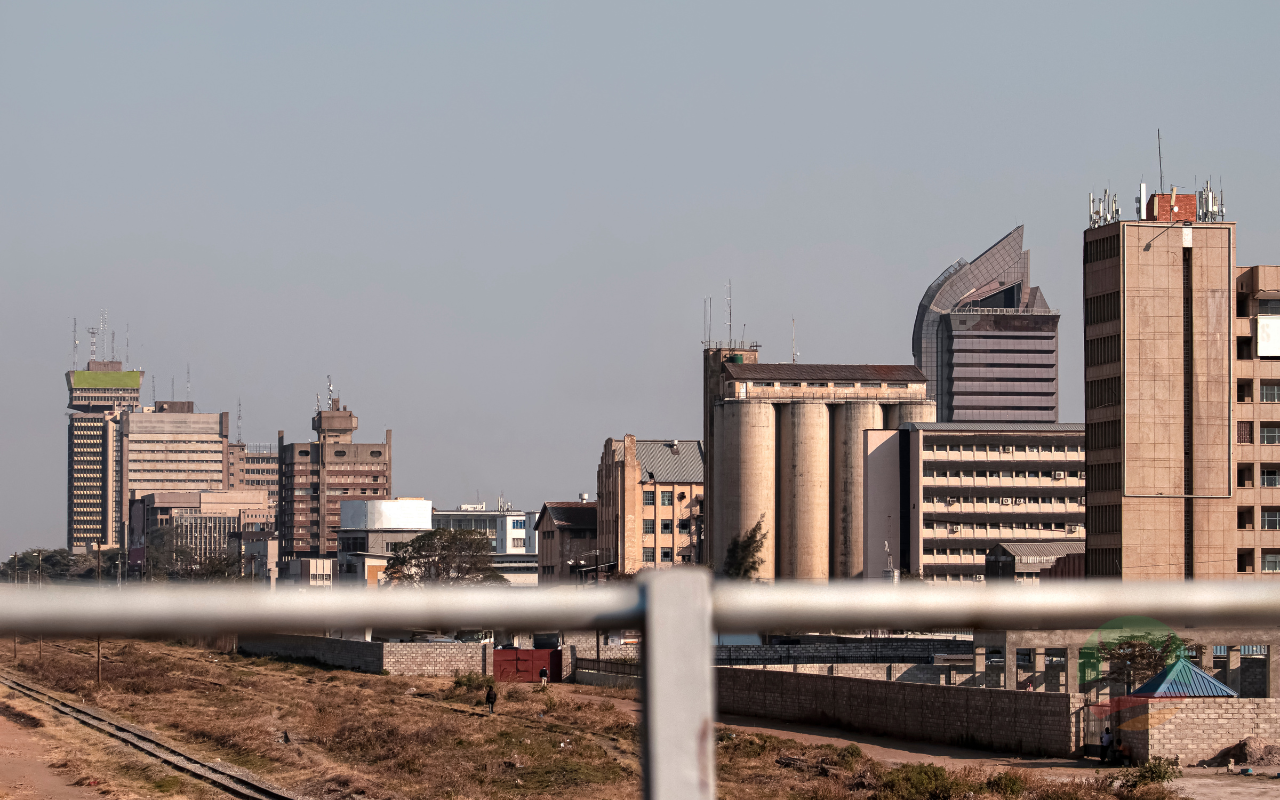
Photo: Ernie JourneysUnsplashUnsplash License
LUSAKA, 3 JUNE 2026—Updated 20 Jun 2026
LUSAKA — A petition before the Lusaka High Court seeks to strike more than 100 independent candidates from the 13 August ballot, arguing each is still a member of a political party.
The challenge tests a single line of the Constitution — the rule that an independent candidate must not belong to any political party — against the reality of a crowded field in which scores of contenders filed as independents after losing or skipping party adoptions. If it succeeds, it would reshape the ballot in dozens of constituencies. Kwacha News reported one of the named contests in its coverage of the nomination fight in Mazabuka Central.
The petition was brought by the governance activist Isaac Mwanza and the Consortium of Civil Society Organisations for Good Governance and Constitutionalism. It rests on Article 51 of the Constitution, which the petitioners read as requiring that anyone standing as an independent must not, at the same time, be a member of a political party. The petitioners say the candidates they name filed as independents while remaining party members, and that the nominations are therefore invalid.
Among the candidates named are the immediate past Mazabuka Central member of parliament, Garry Nkombo; the Lima Constituency contender Miles Sampa; the former Mansa Central member Chitalu Chilufya; and the former Ndola district commissioner Joseph Phiri. The petition asks the court to declare the nominations unconstitutional, to rule that party members cannot contest as independents, to cancel the listed nominations and to direct the Electoral Commission of Zambia (ECZ) to remove the affected names from the ballot paper.
The respondents have a ready counter-argument, and it is a constitutional one. Article 51, on their reading, measures party membership from the date of the election rather than the date of nomination — so a candidate who has left a party before polling day can stand as an independent even if the resignation is recent. On that view the petition is premature. The court has not yet set hearing dates, and the legal question sits unresolved as the ballot-printing deadline approaches. The withdrawal and disqualification rules are laid out in Kwacha News's election timetable explainer.
The numbers give the case its weight. A petition against one nomination is a local dispute; a petition against more than 100 is a question about the shape of the whole contest. Independents have become a significant bloc in Zambian elections, often drawing candidates who lost party primaries but kept local support. A ruling that party members cannot convert to independent status would close that route for many — and would land while the Electoral Commission of Zambia is finalising ballots.
Background
Article 51 of the 2016 Constitution sets the terms on which a person may contest an election as an independent rather than on a party ticket. The provision is short, but its application is contested: it does not spell out the precise moment at which party membership is tested, which is the gap the petition and its opponents are fighting over.
Independent candidacies have grown across recent Zambian cycles. They give a route to the ballot for contenders who fall out with a party or lose an adoption vote but retain a local base. That makes the independent column politically consequential, especially in tight constituencies where an independent can split a party vote or win outright.
The petition is one of several pre-election challenges before the courts this cycle. A separate petition asks the Constitutional Court to rule on a presidential ticket's eligibility, with a hearing set for 17 June. Together, the actions mean the courts will help decide who appears on the 13 August ballot, alongside the Electoral Commission of Zambia's own nomination checks.
A person who belongs to a political party cannot, at the same time, contest an election as an independent candidate; the nominations should be cancelled and removed from the ballot.
— The petitioners' submission to the Lusaka High Court, as set out in the Article 51 petition
Snapshot: A Lusaka High Court petition by activist Isaac Mwanza and a civil-society consortium asks the court to disqualify more than 100 independent candidates for the 13 August election, arguing Article 51 bars party members from standing as independents. Named candidates include Garry Nkombo, Miles Sampa and Chitalu Chilufya. The petition asks the court to direct the Electoral Commission of Zambia to remove them from the ballot. Respondents argue the challenge is premature. No hearing date has been set.
What to watch
The first marker is whether the High Court sets an early hearing date. Analysis of the pre-election calendar shows the ballot paper must be finalised within weeks, and data on past disputes reveals that nomination challenges left unheard before printing tend to be overtaken by events. A quick listing would force the Article 51 question to a decision; a slow one could leave it moot.
The second marker is the constitutional reading the court adopts — membership tested at nomination, or at the election. Evidence from the submissions shows the whole case turns on that timing point. Whichever way it goes, the ruling would guide how independents are treated in future cycles. This story is part of Kwacha News's continuing politics coverage of the 2026 election.
Frequently Asked Questions
These are the questions readers have raised since the petition was filed. Short answers follow, drawn from the petition, Article 51 of the Constitution and the Electoral Commission of Zambia's nomination process.
What is the independent-candidates petition about?
In short, the petition asks the Lusaka High Court to disqualify more than 100 candidates who filed as independents for the 13 August election. The answer, simply put, is that it argues these candidates are still party members. The key is Article 51 of the Constitution, which the petitioners read as barring party members from standing as independents.
What does Article 51 say?
Research on the 2016 Constitution shows Article 51 sets the terms for contesting as an independent rather than on a party ticket. Data from the case reveals the dispute is about timing — whether membership is measured at nomination or at the election. In other words, both sides accept the rule and disagree on when it bites.
Which candidates are named?
According to the petition, the named candidates include the immediate past Mazabuka Central member Garry Nkombo, the Lima contender Miles Sampa, the former Mansa Central member Chitalu Chilufya and the former Ndola district commissioner Joseph Phiri. The answer is that more than 100 nominations are challenged in total. Evidence in the filing lists them by constituency.
What is the Electoral Commission of Zambia asked to do?
The petitioners ask the court to direct the Electoral Commission of Zambia to remove the affected candidates from the ballot paper. Data on the process shows the commission, not the petitioners, controls the ballot. The key is that the commission would act only on a court order, which is why the case sits with the judges first.
When will the case be heard?
No hearing date has been set. Analysis of the calendar shows the ballot must be finalised within weeks, so timing is the live question. In other words, whether the Article 51 challenge is decided before printing — or overtaken by it — depends on how quickly the High Court lists the matter.
Sources
Electoral Commission of Zambia: official site, on nominations and the ballot for the 13 August general election. The Constitution of Zambia and Article 51 on independent candidates, via the National Assembly of Zambia; High Court judgments are published on ZambiaLII. The petition, its grounds and the named candidates are attributed to the petitioners, the governance activist Isaac Mwanza and the Consortium of Civil Society Organisations for Good Governance and Constitutionalism.
More on Politics

Hichilema wins Zambia's 2026 election for a second term
Zambia's Electoral Commission has declared Hakainde Hichilema president-elect for a second term with about 61 per cent of the vote, over Brian Mundubile's 38 per cent, as the opposition rejects the count.

Press freedom groups urge Zambia to keep the internet on
The Committee to Protect Journalists and the #KeepItOn Coalition urged Zambian authorities and telecoms operators to keep internet access open through the 13 August election, as Amnesty International called for a detained journalist's release.
The Kwacha News briefing.
Business, markets and the Zambian economy — in your inbox.

