

Police probe 10 candidates over forged grade 12 certificates
ECZ detected the fakes during a verification exercise that screened more than 10,700 aspiring politicians ahead of the August election
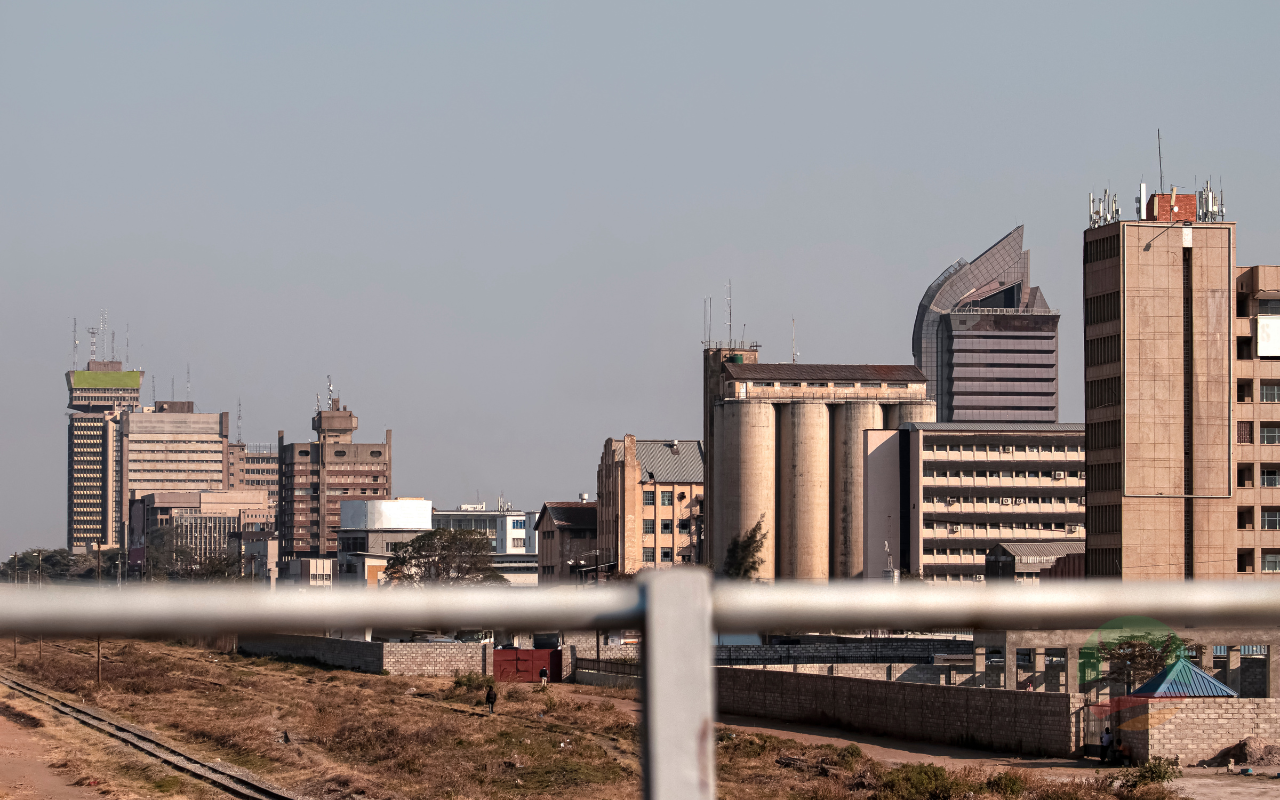
Photo: Nnaemeka Ugochukwu / UnsplashUnsplashUnsplash License
LUSAKA, 4 JUNE 2026—Updated 8 Jul 2026
LUSAKA — Zambia Police is investigating 10 aspiring candidates who submitted forged grade 12 certificates to the Examinations Council of Zambia (ECZ) ahead of the 13 August general election.
The forgeries were uncovered during a physical verification exercise that ran from 22 April to 22 May 2026 and screened more than 10,700 aspiring politicians — a process the constitution requires before any person can stand for president, parliament, mayor or councillor. The discovery raises fresh questions about the integrity of candidate vetting as Zambia heads into one of its most closely contested election cycles in a generation.
Police spokesperson Godfrey Chilabi confirmed the 10 reports of suspected forgery had been referred for criminal investigation. "We have received these cases from ECZ and investigations are underway," Chilabi said, adding that further updates would be provided as the probe advances. He did not name the suspects or identify the constituencies involved.
The Examinations Council of Zambia issued 10,731 confirmation letters during the exercise — 10,020 through its online system and 711 via physical submissions. The 10 forged documents represent a fraction of the total but carry outsized electoral weight: under Articles 70, 100, 153, and 154 of the Constitution of Zambia, a grade 12 certificate or equivalent is the minimum academic qualification for all elected offices from president to councillor. As Kwacha News reported when covering how candidate withdrawal works in Zambian elections, the verification window is the last formal checkpoint before nomination day.
We still find it disappointing that people still turn up with forged documents.
— Dr Michael Chilala, ECZ Executive Director
ECZ Executive Director Dr Michael Chilala said the council holds examination records dating to the 1960s and its verification systems are designed to detect fraud at scale. The council also processed and replaced 334 genuine grade 12 certificates for aspiring candidates during the same exercise, suggesting a parallel demand from politicians who had lost or damaged their original documents.
In Eastern Province, police have launched a manhunt for a mayoral candidate who fled after the Examinations Council of Zambia flagged the candidate's certificate. Eastern Province Police Commissioner Robertson Mweemba confirmed the suspect had previously served as a ward councillor under the Patriotic Front (PF), raising questions about how the same forged certificate passed an earlier vetting round. The identity of the suspect has not been made public.
Under Chapter 87 of the Penal Code of Zambia, forgery of a document carries a sentence of up to seven years' imprisonment under section 351. For certain categories of documents, section 349 prescribes imprisonment for life. Uttering a forged document is a separate offence under section 353. The cases could also trigger disqualification proceedings under the Electoral Process Act if any of the 10 candidates have already been nominated.
Key facts at a glance: • 10,731 aspiring candidates verified between 22 April and 22 May 2026 • 10 forged grade 12 certificates detected and referred to police • 334 genuine certificates replaced during the same exercise • Forgery carries up to 7 years in prison under the Penal Code • Grade 12 is the constitutional minimum to stand for any elected office
Background
Zambia's experience with forged academic credentials in politics is not new. In the 2016 general election, the Examinations Council of Zambia uncovered hundreds of forged certificates among aspiring candidates, prompting a national debate about the adequacy of vetting mechanisms. The 10 cases detected this cycle represent a sharp drop from that high-water mark, which the Examinations Council of Zambia attributes to tighter digital verification systems introduced in 2019.
The academic qualification threshold itself remains politically charged. Critics argue the grade 12 requirement bars capable leaders without formal schooling from public office. Defenders say the standard reflects a minimum competency signal that voters have a right to expect. A 2023 parliamentary committee reviewed the threshold and recommended retaining the requirement, noting that public confidence in candidates' credentials is a prerequisite for electoral legitimacy. The nomination season has already produced turbulence elsewhere — Kwacha News covered the assault charge filed against Garry Nkombo after Mazabuka nominations last week.
What to watch
The next decision point is whether any of the 10 suspects have already been nominated by the Electoral Commission of Zambia (ECZ). If so, the commission or an aggrieved party could petition for disqualification under the Electoral Process Act before ballot papers are printed. The manhunt in Eastern Province will test whether police can arrest and charge the suspect before the candidate withdrawal deadline. Follow Kwacha News's politics coverage for updates as the investigation develops.
Sources
Examinations Council of Zambia: official website and verification portal. Constitution of Zambia: Articles 70, 100, 153, 154 on candidate qualifications. Penal Code of Zambia: Chapter 87, sections 349, 351, 353 on forgery. Channel Africa: Zambia polls face integrity test, June 2026.
Frequently Asked Questions
These are the questions readers have been asking since the Examinations Council of Zambia referred 10 forged certificates to police. Short answers follow, drawn from ECZ data and the Penal Code.
What is a grade 12 certificate in Zambian elections?
In short, the grade 12 certificate is the constitutional minimum academic qualification required to stand for any elected office in Zambia — president, member of parliament, mayor, or councillor. The answer, simply put, is that the Examinations Council of Zambia must verify every candidate's certificate before nomination day. The key is that without a valid grade 12 or equivalent, no person can lawfully appear on a ballot paper.
How does ECZ verify candidate qualifications?
The Examinations Council of Zambia accepts both online and physical submissions during a verification window. Research shows the council cross-references each certificate against examination records dating to the 1960s. Data from the 2026 exercise reveals 10,020 candidates used the online portal and 711 submitted physical documents, for a total of 10,731 processed.
Why is certificate forgery different from other election offences?
Forgery strikes at the eligibility threshold itself, not just at campaign conduct. According to the Penal Code, forgery of a document carries up to seven years in prison. The answer is that a candidate convicted of forgery faces both criminal penalties and automatic disqualification from holding public office, a double consequence that ordinary campaign violations do not trigger.
Who is affected by the forged certificates?
The 10 cases affect aspiring candidates across multiple constituencies — the police have not named them publicly. In other words, the change reaches voters in those constituencies, party selection committees that endorsed the candidates, and the Electoral Commission of Zambia, which must decide whether to proceed with nominations already accepted. Evidence from the Eastern Province manhunt reveals at least one suspect previously served as an elected councillor.
What are the real risks of weak verification?
Analysis of Zambia's 2016 election demonstrates that weak verification allowed hundreds of forged certificates to enter the system. Evidence from that cycle reveals three durable risks: illegitimate candidates reaching the ballot, court petitions that destabilise results after voters have cast their ballots, and erosion of public trust in the entire nomination process. Each risk is institutional, not personal — the system fails, not just the individual.
More on Politics

Hichilema wins Zambia's 2026 election for a second term
Zambia's Electoral Commission has declared Hakainde Hichilema president-elect for a second term with about 61 per cent of the vote, over Brian Mundubile's 38 per cent, as the opposition rejects the count.

Press freedom groups urge Zambia to keep the internet on
The Committee to Protect Journalists and the #KeepItOn Coalition urged Zambian authorities and telecoms operators to keep internet access open through the 13 August election, as Amnesty International called for a detained journalist's release.
The Kwacha News briefing.
Business, markets and the Zambian economy — in your inbox.

