

ECZ denies extra ballots, says printing on track
The Electoral Commission of Zambia says roughly 4.7 million of a targeted 9 million presidential ballots are printed, and has challenged critics who allege extra, pre-marked papers are being produced for the 13 August election to provide proof.
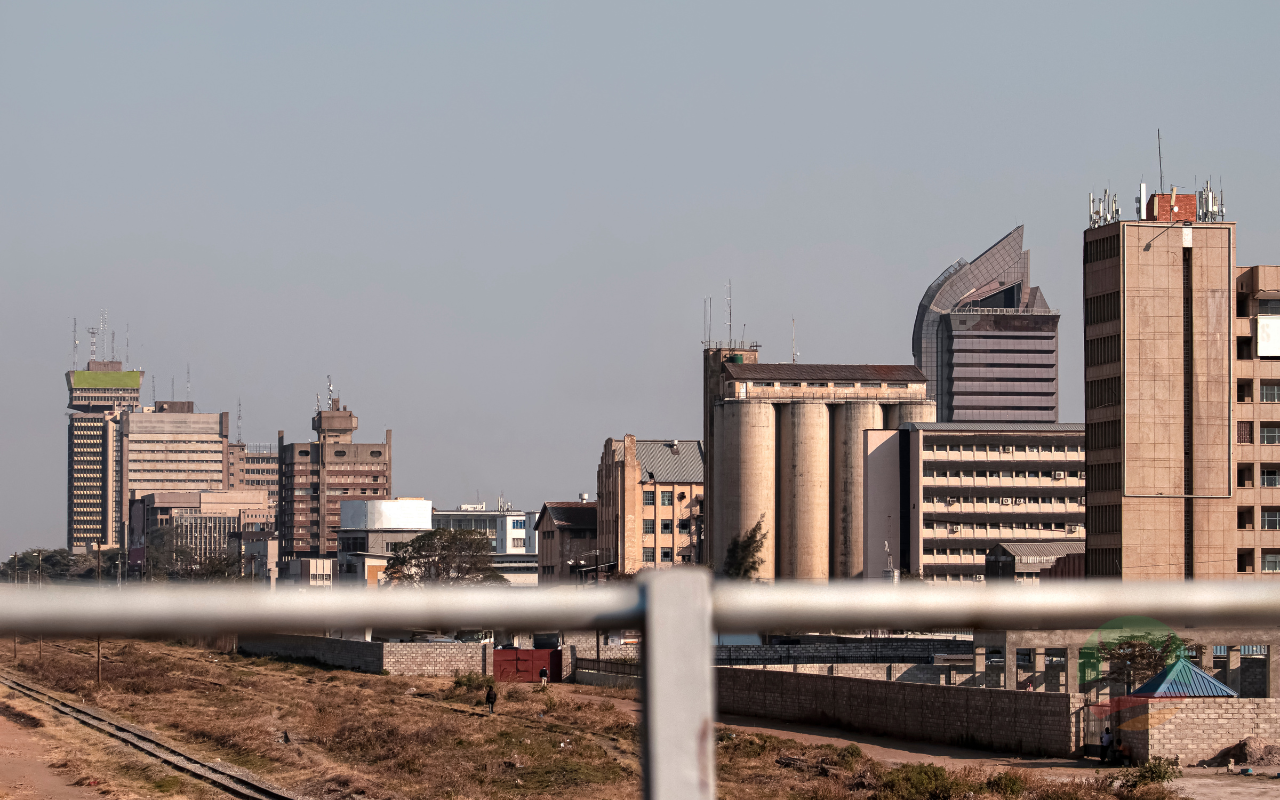
Photo: David IlobaPexelsPexels License
LUSAKA, 3 JULY 2026—Updated 3 Jul 2026
LUSAKA — The Electoral Commission of Zambia says presidential ballot printing is on track, with about 4.7 million of a targeted 9 million papers printed so far.
The update matters because it lands alongside a separate and more serious claim: that extra, pre-marked ballot papers are being produced for selected constituencies in Eastern, Southern and Central provinces. The Electoral Commission of Zambia has dismissed that allegation outright and challenged those making it to provide proof, framing the printing-progress figures and the rebuttal as two parts of the same public statement on ballot security ahead of the 13 August general election.
Printing progress and the process behind it
The Electoral Commission of Zambia said the presidential ballots are being printed and packaged in serialised booklets of 50, a practice the Commission has followed at every general election since 2006. Serialisation means each booklet carries a sequential number that can be matched against a polling station's allocation, so any booklet that turns up outside its assigned register is immediately identifiable. The Commission said this system, not secrecy, is what protects the integrity of the count.
Presidential ballots are printed first, ahead of National Assembly and local-government papers, the same sequence the Electoral Commission of Zambia followed when Kwacha News reported the start of printing in Dubai. At roughly 4.7 million of the targeted 9 million presidential ballots printed, the Commission is a little over halfway through the presidential print run, with the National Assembly and council ballots still to follow once the presidential batch is complete.
Snapshot — key facts: About 4.7 million of a targeted 9 million presidential ballots are printed. Ballots are packaged in serialised booklets of 50, a practice used since 2006. The allegation the Commission is rebutting: extra, pre-marked ballots for selected constituencies in Eastern, Southern and Central provinces, allegedly arranged with Dubai-based Al Ghurair Printing and Publishing and the Zanzibar Government Printing Agency. Zambia's general election is 13 August 2026.
The allegation the Commission is rebutting
The allegation under scrutiny claims that Electoral Commission of Zambia officials met with representatives of Dubai-based Al Ghurair Printing and Publishing and the Zanzibar Government Printing Agency to arrange the production of additional, pre-marked ballot papers for use in specific constituencies. The claim, if true, would describe a scheme to pre-determine results in targeted seats rather than count votes as cast — the most serious category of election-integrity accusation a returning officer can face.
The Electoral Commission of Zambia denies the claim, rejecting it and challenging its source to substantiate it. Commission officials have, according to the Commission's public statement, "challenged" critics "to provide proof" rather than circulate an unverified claim about a process the Commission says is open to accredited observers at every stage. The Commission has not identified who first made the allegation, and Kwacha News is not speculating on the source; this report treats the claim as it was addressed in the Commission's own statement.
We challenge those making these allegations to provide proof.
— Electoral Commission of Zambia, public statement
Why the Commission will not detail the security features
The Electoral Commission of Zambia said it cannot disclose the specific security features embedded in the 2026 ballots, because doing so would defeat their purpose. Election administrators generally treat the exact composition of anti-counterfeiting features — watermarks, microprint, serialisation codes, paper stock — as operational secrets for the same reason a central bank does not publish the full specification of a banknote's security thread: publishing the detail hands counterfeiters a blueprint.
That non-disclosure is also the point where public trust becomes hardest to verify directly. The Electoral Commission of Zambia's answer is procedural rather than technical: independent verification happens through the accreditation of party and civil-society agents at the printer, at receiving points in Zambia, and at counting centres on polling day, not through the Commission publishing a specification sheet. The Commission has said accredited agents from contesting parties were present to observe the presidential print run, the same access extended to the field of candidates contesting the 13 August vote.
The stakes for a contested election
Zambia's ballot security has become a live issue well before polling day. International observers are already preparing to watch the process: the European Union is sending more than 70 observers to monitor the 13 August election, part of Kwacha News's continuing politics coverage of the vote. Ballot printing, storage and distribution sit at the centre of what any credible observation mission checks, because a compromised ballot supply chain can undermine an otherwise well-run polling day.
The Electoral Commission of Zambia has also had to manage separate friction over the campaign calendar. As Kwacha News has reported, the Commission's campaign timetable drew a legal warning and pushback from the Law Association of Zambia and opposition figures earlier in the cycle. Taken together, the timetable dispute and the ballot-printing allegation show a Commission operating under sustained scrutiny from multiple directions as the election approaches — scrutiny the Commission says it welcomes through accredited observation, but which it will not extend to disclosing security countermeasures that exist specifically to stay undisclosed.
What to watch
The next milestone is completion of the presidential print run. Once the Electoral Commission of Zambia finishes the remaining presidential ballots, printing moves to National Assembly and council papers, extending the same serialised-booklet process across three separate ballot types. Confirmation of that completion, and any further detail the Commission chooses to release about the verification delegation, will be the next test of whether the printing timeline holds.
The second thing to watch is whether anyone making the extra-ballot allegation responds to the Commission's challenge with documentary evidence. Until that happens, the claim remains an unproven allegation and the Commission's serialised-booklet system remains the operative safeguard cited against it. The third is accreditation: which parties, candidates and observer bodies confirm they were represented at the printing and verification stages, since that access is the Commission's primary answer to questions it will not answer through technical disclosure.
Frequently Asked Questions
These are the questions readers have been asking since the Electoral Commission of Zambia addressed ballot printing and the extra-ballot allegation. Short answers follow, drawn from the Commission's public statement and its established printing procedure.
What is the printing target for the 2026 presidential ballots?
In short, the Electoral Commission of Zambia is targeting about 9 million presidential ballot papers for the 13 August election, of which roughly 4.7 million have been printed so far. The answer, simply put, is that the presidential print run is a little over halfway complete, with National Assembly and council ballots still to follow.
How does the Electoral Commission of Zambia secure ballot papers against fraud?
The Commission packages ballots in serialised booklets of 50, a practice used since 2006, so every booklet can be matched against its assigned polling station. Data from the Commission's own account shows this serialisation, combined with undisclosed security features embedded in the paper, is the core safeguard against unauthorised ballots entering circulation.
Why is the Electoral Commission of Zambia dismissing the extra-ballot allegation?
The Commission says the allegation of pre-marked ballots for Eastern, Southern and Central provinces is unsubstantiated, and according to its statement, it has challenged those making the claim to provide proof. The answer is that no evidence has been produced to support the allegation, while the Commission's printing process — serialised booklets tracked to specific polling stations — is designed to make exactly this kind of scheme detectable.
What are the security features on Zambia's 2026 ballot papers?
The Electoral Commission of Zambia has not disclosed the specific security features, saying doing so would defeat their purpose. In other words, the Commission treats the technical composition of the anti-counterfeiting measures as an operational secret, and relies instead on accredited-agent verification at the printer and at receiving points in Zambia to demonstrate the ballots are genuine.
Which companies has the extra-ballot allegation named?
Which companies feature in the unproven claim is straightforward to state: the allegation names Dubai-based Al Ghurair Printing and Publishing and the Zanzibar Government Printing Agency as the parties Electoral Commission of Zambia officials allegedly met to arrange extra, pre-marked ballots. Research into the claim has produced no supporting evidence, and the Commission disputes that any such arrangement exists.
Sources
Electoral Commission of Zambia: official website, public statement on presidential ballot-printing progress and the extra-ballot allegation. Kwacha News coverage: ECZ begins printing 2026 ballot papers in Dubai, Zambia's 13 August race: the 14 candidates and the rules, EU to send more than 70 observers to Zambia election and ECZ campaign timetable draws legal warning and pushback.
More on Politics

Hichilema wins Zambia's 2026 election for a second term
Zambia's Electoral Commission has declared Hakainde Hichilema president-elect for a second term with about 61 per cent of the vote, over Brian Mundubile's 38 per cent, as the opposition rejects the count.

Press freedom groups urge Zambia to keep the internet on
The Committee to Protect Journalists and the #KeepItOn Coalition urged Zambian authorities and telecoms operators to keep internet access open through the 13 August election, as Amnesty International called for a detained journalist's release.
The Kwacha News briefing.
Business, markets and the Zambian economy — in your inbox.

