

Russian Rosatom pushes uranium plan that threatens southern African aquifer
A subsidiary of the Russian state nuclear corporation wants to inject sulphuric acid into the Stampriet aquifer system shared by Namibia, Botswana and South Africa.
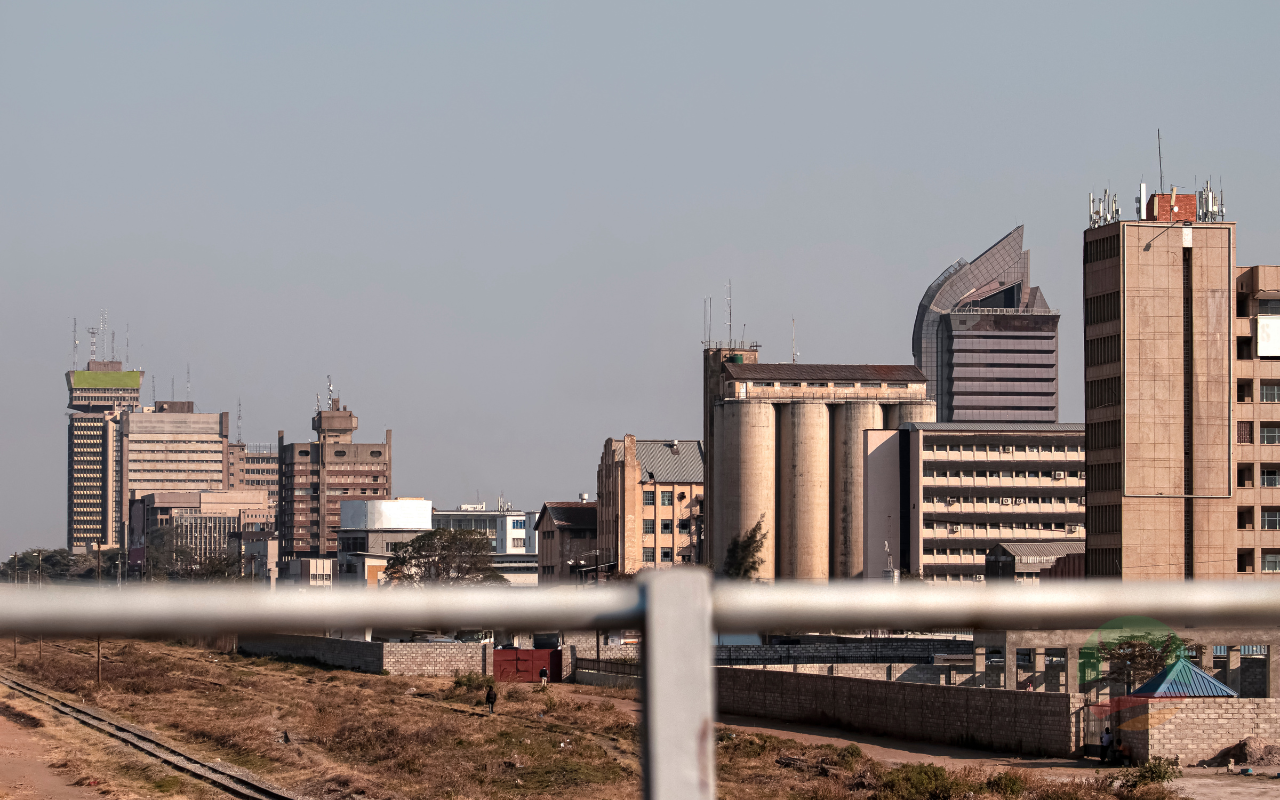
Photo: Hp.BaumelerWikimedia CommonsCC BY-SA 4.0
LUSAKA, 18 MAY 2026—Updated 8 Jul 2026
JOHANNESBURG — A uranium project run by Russia's state nuclear corporation is back before regulators, and the method at the heart of it is one that could poison a shared southern African aquifer.
A subsidiary of Rosatom, the Russian state atomic energy corporation, is seeking permits to mine uranium by injecting sulphuric acid into the Stampriet Transboundary Aquifer System, the largest shared groundwater body in southern Africa, according to a technical brief published by the International Groundwater Resources Assessment Centre (IGRAC), the United Nations-affiliated water body.
The applicant is Headspring Investments, a Namibian-registered vehicle linked to Rosatom's mining arm JSC Uranium One Group. The company wants to drill exploratory in-situ leach holes in the Aranos basin in eastern Namibia. The basin sits inside the Stampriet system, which stretches from central Namibia across western Botswana and into South Africa's Northern Cape and supplies more than 7,000 active boreholes across the three countries, the IGRAC brief said.
What in-situ leach mining is
In-situ leach (ISL) mining is the method that defines the dispute. Rather than digging a pit and milling ore at the surface, ISL is a process by which an extraction solution is injected into the host rock through a grid of wells. The solution dissolves the target metal in place and is pumped back to the surface for processing. For uranium, the leach solution is typically sulphuric acid mixed with an oxidising agent.
The trade-off is direct: ISL is cheaper than open-pit mining and produces no tailings dump, but it places the leach solution inside the same rock that holds the water everyone else drinks. IGRAC's assessment is that, once contaminated, the affected aquifer cannot be remediated on a human timescale.
Groundwater will become unusable, not only for Namibia but also most probably for the neighbouring countries sharing the resource, namely Botswana and South Africa.
— International Groundwater Resources Assessment Centre, technical brief on the Stampriet system
Why the three governments matter
Decisions on a single national permit normally rest with the host country. The Stampriet case is different: the resource at stake is shared. Namibia, Botswana and South Africa are all signatories to the SADC Revised Protocol on Shared Watercourses, the regional treaty governing transboundary surface water and groundwater, and the Stampriet aquifer is a designated shared system in the protocol's reporting framework.
In practice, this means the project's licence is a national matter in Windhoek, but the consequences land in three capitals at once. Botswana's water-affairs ministry and South Africa's Department of Water and Sanitation each have standing to be consulted under the SADC protocol before any extraction begins. Whether that consultation happens at the speed the regulators want or at the speed the applicant wants is the question.
The regulatory history
Headspring Investments first proposed in-situ uranium extraction in the Aranos basin in 2011. The Namibian Ministry of Agriculture, Water and Land Reform issued exploration permits, then cancelled them in October 2021 over what the ministry described as gross violations. The company has been seeking fresh drilling permits and environmental clearance since then. The current application is what brought the project back into public view.
The Namibian Ministry of Mines and Energy and the Ministry of Environment are also part of the approvals chain. None of the three has signed off on the renewed in-situ leach campaign at the time of writing, according to the IGRAC brief and the reporting that followed it from The Namibian.
What opponents are saying
Dr Roy Miller, a retired geologist and former director of the Namibia Geological Survey, has been the most consistent technical voice against the project. Miller pushes a structural argument: the same sandstone that hosts the uranium hosts the water, and the same fractures that the leach solution would follow are the fractures the groundwater follows.
Tobie Aupindi, who chairs Namibia's standing committee on natural resources, has called for parliamentary scrutiny. The committee's remit covers any mining proposal that threatens a shared resource, which the Stampriet system squarely is.
Rosatom's position, set out by Kirill Egorov-Kirillov, the director of mining projects at JSC Uranium One Group, is that ISL is a proven and contained method and that the company will meet whatever environmental standards Namibian regulators set. The technical reference list maintained by WISE-Uranium shows the global ISL record is mixed: well-managed sites in Kazakhstan and Australia have operated for decades, while sites in the United States have produced documented plume migration outside the licensed extraction area.
Why this matters for the rest of southern Africa
The Stampriet case sets two precedents for the wider region. The first is a technology precedent: a successful in-situ leach licence in the Aranos basin would be the first commercial ISL uranium project in southern Africa and would shape how regulators across SADC treat the next application. The second is a governance precedent: how the three Stampriet governments coordinate, or fail to coordinate, will signal how much the protocol on shared watercourses actually constrains a single member state's mining policy.
Zambia is not a riparian on Stampriet, but it sits in the same regional water-governance framework and has historically attracted Russian mining interest. The Zambezi basin commission and the Cubango-Okavango basin commission run on the same SADC scaffolding. The standard that gets set in Aranos is the standard those frameworks will be measured against.
What to watch
Three near-term signals will tell editors whether the project proceeds. First, whether Namibia's Ministry of Environment posts an environmental impact assessment for public inspection in the coming months. Second, whether Botswana and South Africa exercise their SADC consultation rights formally, by note verbale, rather than informally. Third, whether the Namibian National Assembly takes up the chair of natural resources' call for scrutiny before any permit is issued, or after.
Frequently Asked Questions
These are the questions readers have been asking since the Stampriet project came back into view. Short answers follow, drawn from the IGRAC technical brief and the regional treaty record.
What is the Stampriet Transboundary Aquifer System?
In short, the Stampriet system is the largest shared groundwater body in southern Africa. The answer, simply put, is that it stretches from central Namibia across western Botswana into South Africa's Northern Cape. The key is that more than 7,000 active boreholes draw on it for drinking water, livestock and irrigation, according to the IGRAC brief.
How does in-situ leach uranium mining work?
In-situ leach mining is the process by which a solution of sulphuric acid is injected through wells into the host rock to dissolve uranium in place. Research from the global ISL record shows the method is cheaper than open-pit mining and produces no tailings dump. Data from WISE-Uranium reveals that the well-managed Kazakh and Australian sites have operated cleanly for decades, while some United States sites have produced plume migration beyond the licensed area.
Why is this project different from past uranium mines in Namibia?
Past Namibian uranium production has been open-pit. The Headspring proposal would be the first commercial in-situ leach uranium project in southern Africa. According to IGRAC, the answer is that ISL places the leach solution inside the same rock that holds the drinking water, which makes the contamination risk structural rather than incidental.
Who is the SADC protocol on shared watercourses for?
The protocol is for the member states that share rivers, lakes and aquifers across borders. In other words, it gives Botswana, South Africa and Namibia formal standing to be consulted on any project that materially affects a shared resource. The protocol does not give a single member state a veto; it requires consultation, notification and an opportunity to comment.
What are the real risks of in-situ leach uranium mining at Stampriet?
Analysis of the IGRAC brief and the broader hydrogeological evidence shows three durable risks. Evidence from the regional record reveals each one is structural, not procedural. The first is permanent groundwater contamination on a human timescale. The second is plume migration outside the licensed extraction area into neighbouring boreholes. The third is the long-tail liability question of who pays for monitoring and any remediation after the operator's mine plan ends.
Sources
International Groundwater Resources Assessment Centre: technical brief on plans for in-situ leach uranium mining in the Stampriet aquifer. Southern African Development Community: Revised Protocol on Shared Watercourses. WISE-Uranium project register: new uranium mining projects, Namibia. Rosatom corporate page: rosatom.ru. The Namibian: uranium mining plan risks Namibia's largest shared aquifer. Via Daily Maverick reporting, 17 May 2026.
More on Africa/World

TAZARA at 50: Zambia weighs two routes to the sea
As TAZARA turns 50, landlocked Zambia is weighing two rival routes for its copper: east to the Indian Ocean via a rebuilt TAZARA, or west to the Atlantic via the Lobito Corridor.

African leaders back trade insurer ATIDI after record year
African leaders endorsed ATIDI — the pan-African insurer Zambia belongs to — as a cornerstone of a new African-led financial architecture, as the body marked 25 years with record 2025 results and a call to recapitalise it to US$2 billion.

Railway revival sweeps Southern Africa as Zambia eyes TAZARA
South Africa's freight-rail reforms, the Lobito Corridor and a revived TAZARA line are redrawing Southern Africa's transport map, as President Hichilema pledges a further $1.6 billion recapitalisation of the Tanzania-Zambia railway.
The Kwacha News briefing.
Business, markets and the Zambian economy — in your inbox.