

Lawyer urges Parliament to publish Bill 7 vote list
A call to release the per-MP voting record on the contested constitutional amendment gathered force after President Hichilema said four of his own MPs had opposed a bill the official tally recorded as passing without a single “No”.
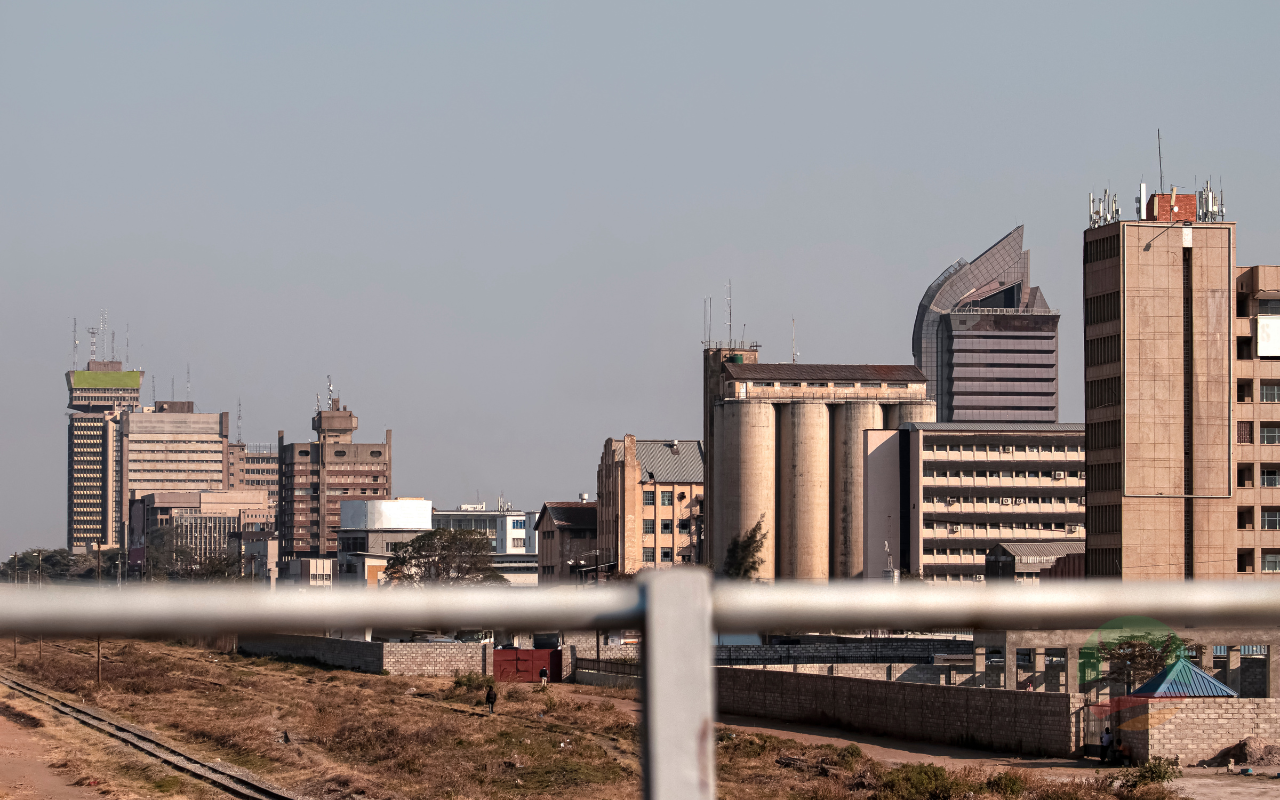
Photo: ZANISzanisGovernment of Zambia — editorial use
LUSAKA, 18 JUNE 2026—Updated 18 Jun 2026
LUSAKA — A senior lawyer is urging Parliament to publish the record of how each MP voted on Bill 7, after the president said four of his own MPs opposed the constitutional changes.
The demand for the division list — the per-MP record of a parliamentary vote — turns on a contradiction. The official result of the December vote recorded no “No” votes at all. Yet President Hakainde Hichilema later told a campaign rally that four members of his own party had refused to support the amendment. One account cannot be reconciled with the other without the record, and the gap has become a live accountability question within Kwacha News’s politics coverage ahead of the August election.
The contradiction
The Constitution of Zambia (Amendment) Bill No. 7 of 2025 passed its decisive Third Reading on 15 December 2025. The recorded tally was 135 votes in favour, none against and none abstaining, with 32 of the 167 members absent. The result cleared the two-thirds majority that constitutional amendments require, and President Hichilema assented to the bill on 18 December.
The official record showed unanimity among those present. Then, at a UPND rally at Solwezi Airport on 13 June, the president named four party MPs — Gary Nkombo, Elijah Muchima, Elias Mubanga and Newton Samakayi — as having declined to back Bill 7.
We have four MPs who refused to vote for Bill 7.
— President Hakainde Hichilema, UPND rally, Solwezi Airport, 13 June 2026
The statement does not square with a result of zero “No” votes. The likeliest explanation is procedural — the four may have been among the 32 absentees, or stepped out before the division — but the official record as published does not say. Resolving the contradiction is exactly what the division list would do.
The call for the record
Musa Mwenya, a State Counsel and former Attorney-General, asked the National Assembly to make the record public. Mwenya called the president’s disclosure an important revelation and questioned why the division list on a constitutional vote had never been released. He framed transparency as essential on a matter as significant as constitutional reform.
Mwenya urges disclosure under the National Assembly’s own rules, which provide for the publication of votes and proceedings. A division list is a routine parliamentary document in many legislatures; its absence here, on the most consequential bill of the term, is what has drawn scrutiny.
Key facts: Bill 7 passed its Third Reading on 15 December 2025 by 135 votes to none, with 32 of 167 MPs absent, and was assented to on 18 December. At a Solwezi rally on 13 June 2026, President Hichilema named four UPND MPs as having opposed it. Lawyer and former Attorney-General Musa Mwenya has asked the National Assembly to publish the division list — the per-MP voting record — to reconcile the two accounts.
What Bill 7 changes
Bill 7 is the most far-reaching rewrite of Zambia’s electoral architecture in years. The amendment increases the number of elected constituency seats — from 156 to 211 — and introduces a mixed-member system in which some seats are filled by first-past-the-post and others allocated by each party’s share of the vote.
The amendment also creates around 40 seats reserved for women, youth and persons with disabilities, bars by-elections within 180 days of a general election, and harmonises the terms of Parliament and councils at five years. A summary of the bill’s provisions is set out by ZambiaLII and the governance monitor ConstitutionNet.
Because the changes reshape who sits in the National Assembly and how they get there, the integrity of the vote that passed them carries unusual weight. A constitutional amendment that rewrites representation is precisely the kind of measure for which a transparent voting record matters most.
Background: a contested process
Bill 7 has been contested from the start. In June 2025 the Constitutional Court struck down an earlier version of the process for falling short of the public-consultation requirement the Constitution sets for amendments. The bill was reworked and reintroduced, and a fresh petition is again before the Constitutional Court arguing the revival was procedurally flawed.
That legal cloud sharpens the demand for the division list. The naming of dissenting MPs also lands amid visible strain inside the governing party. Kwacha News reported on one flashpoint in its coverage of the suspension of 13 UPND members in Mazabuka, the constituency of Gary Nkombo, one of the four MPs the president named.
The episode also tests the unity message the president has pushed on the campaign trail, a theme Kwacha News examined in its report on Hichilema’s calls for UPND unity ahead of the August vote.
What to watch
The immediate question is whether the National Assembly publishes the division list, and what it shows. A record matching the official tally would confirm the four were absent rather than opposed; a fuller record could reopen questions about how the amendment cleared the chamber. The parallel petition at the Constitutional Court is the other thread, and either could shape how Bill 7 is viewed when Zambians vote on 13 August.
Frequently Asked Questions
These are the questions readers have been asking since the president named the four MPs. Short answers follow, drawn from the parliamentary record and the public statements at issue.
What is a division list?
In short, a division list is the official record of how each member of parliament voted on a motion or bill. The answer, simply put, is that it names who voted yes, who voted no and who abstained, turning an aggregate tally into an individual record.
Why is the Bill 7 vote disputed?
The key is a contradiction. Data from the parliamentary record shows Bill 7 passed with 135 votes and no “No” votes, yet President Hichilema said four UPND MPs opposed it. Evidence to reconcile the two accounts — the division list — has not been published.
What does Bill 7 actually change?
Research on the amendment shows it raises elected constituency seats from 156 to 211, introduces a mixed-member voting system, creates around 40 reserved seats for women, youth and persons with disabilities, and bars by-elections within 180 days of a general election.
Who is calling for the record to be published?
According to his public statement, Musa Mwenya — a State Counsel and former Attorney-General — asked the National Assembly to release the division list. The answer is that he framed disclosure as essential transparency on a constitutional amendment.
Is Bill 7 still being challenged in court?
In other words, yes. Analysis of the process shows the Constitutional Court struck down an earlier version in June 2025 over consultation, and a fresh petition now contests the reintroduced amendment. The outcome could affect how Bill 7 stands at the August election.
Sources
National Assembly of Zambia: Constitution of Zambia (Amendment) Bill No. 7 of 2025 and the bills list. ZambiaLII: summary of Bill No. 7 of 2025. ConstitutionNet: analysis of the mixed-member amendment and background on Zambia’s constitutional reform. Reference: Constitution of Zambia (Amendment) Act, No. 7 of 2025. Kwacha News coverage: the Mazabuka suspensions and Hichilema’s unity calls.
More on Politics

Hichilema wins Zambia's 2026 election for a second term
Zambia's Electoral Commission has declared Hakainde Hichilema president-elect for a second term with about 61 per cent of the vote, over Brian Mundubile's 38 per cent, as the opposition rejects the count.

Press freedom groups urge Zambia to keep the internet on
The Committee to Protect Journalists and the #KeepItOn Coalition urged Zambian authorities and telecoms operators to keep internet access open through the 13 August election, as Amnesty International called for a detained journalist's release.

The burial row that made the Zambian election a contest
Edgar Lungu died in June 2025 and was not buried for more than a year while his family and the Zambian state fought through the South African courts. The dispute shadowed the campaign and, the BBC reported, turned an expected walkover into a contest.
The Kwacha News briefing.
Business, markets and the Zambian economy — in your inbox.