

What Zambia's parliament must finish before August 13
Cabinet dissolves and the National Assembly stops sitting in the run-up to the 13 August general election. A short list of bills is racing the clock.
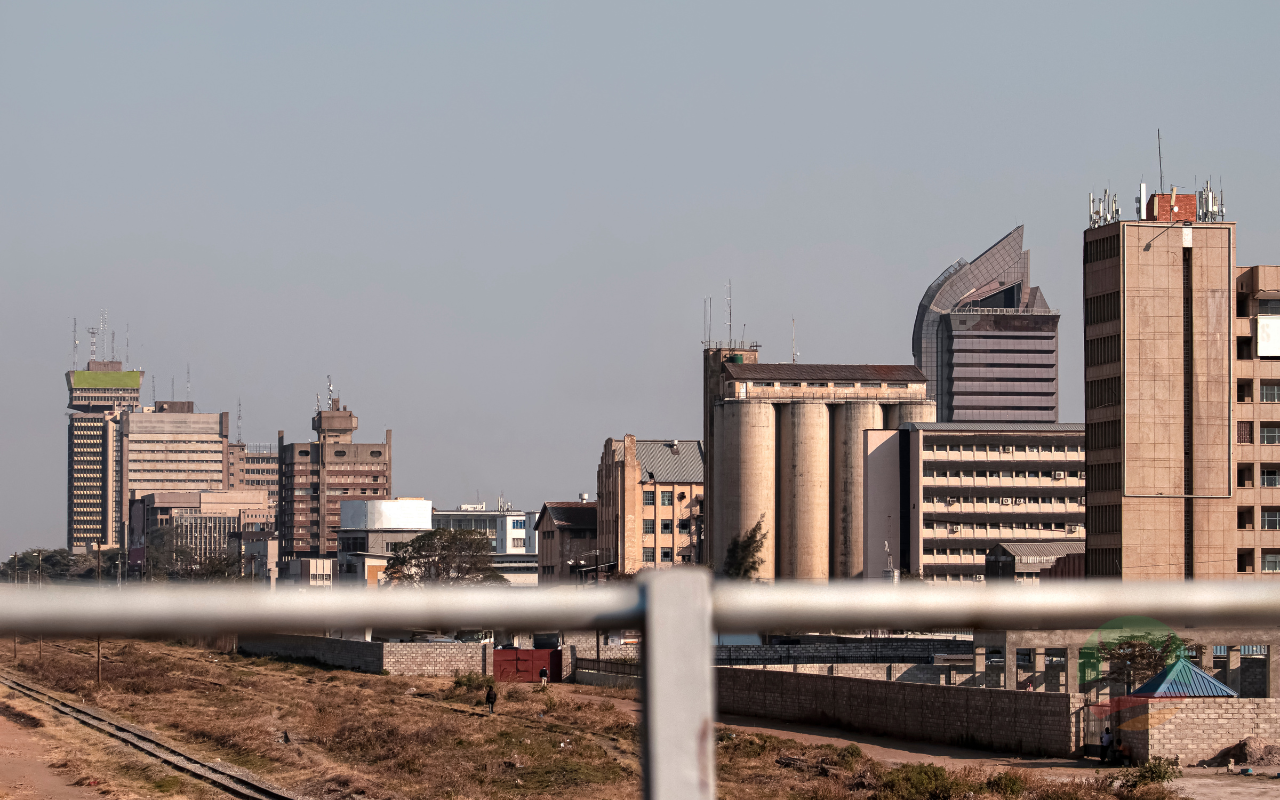
Photo: User:AréatwikipediaPublic domain
LUSAKA, 19 MAY 2026—Updated 8 Jul 2026
Analysis
LUSAKA — The Twelfth National Assembly is in its closing sittings before Zambia's 13 August election, and a short list of bills is now racing the clock through committee.
The bills on that list — the Public Gatherings Bill, the supplementary budget, the electoral reform amendments and the statutory instruments that operationalise the next fiscal year — are at varying stages. The upshot for businesses, civic actors and election watchers: what clears before the dissolution sets the regulatory environment the campaign happens in, and what stalls waits for the Thirteenth Assembly that the August poll produces.
The bills now in motion
The Public Gatherings Bill is the most politically charged. Kwacha News reported the bill passed at Committee Stage with the threshold raised from three to seven attendees as the trigger for police notification. The bill replaces the Public Order Act, which civil-society groups have argued was used selectively against the opposition during the prior administration. Final passage and presidential assent are the next hurdles.
The supplementary budget is the fiscal piece. Treasury brought the bill forward to beat Cabinet dissolution, with K26 billion in additional appropriations covering wages, farmer payments and constitutional implementation. Research from the Ministry of Finance and National Planning shows the timing is deliberate — passing the supplementary now removes a budget overhang the next administration would otherwise inherit.
The supplementary budget had to be brought forward to ensure operational continuity through the election cycle. The financial year does not pause for politics.
— Felix Nkulukusa, Secretary to the Treasury, in remarks reported by Kwacha News
What dissolves and what doesn't
The Constitution dissolves Cabinet ninety days before the general election. The National Assembly itself is dissolved when the President issues the writ for elections — which is what triggers the ECZ's nomination calendar. From that moment, the Assembly does not sit, and no further legislation passes until the new Parliament is sworn in after the election.
Three categories of business survive the dissolution gap. The first is statutory instruments — ministerial regulations that do not require parliamentary passage and can continue through the gap, with the Statutory Instruments Act setting the publication procedure. The second is judicial business: the Constitutional Court, the High Court and other courts continue operating, and election petitions go directly to the Constitutional Court under the Electoral Process Act. The third is administrative continuity: the civil service runs the country, the Bank of Zambia conducts monetary policy, and the central administration of essential services proceeds without parliamentary oversight in the interim.
The race-the-clock list
Public Gatherings Bill — Committee Stage passed; awaiting Third Reading and assent · Supplementary Budget — K26bn appropriations; brought forward to beat dissolution · Electoral reform amendments — under consideration; will affect August 13 poll if passed in time · Statutory instruments for next fiscal year — ministerial; can move post-dissolution
Why this matters for businesses and civic actors
Three reads. The first is contracting risk: any business with a regulatory dependency on a bill currently in progress should be modelling both passage and stall scenarios. Analysis from prior election cycles demonstrates that the period between dissolution and the new Parliament's first session typically runs eight to twelve weeks, during which regulatory changes are paused.
The second is civil-society engagement. The Public Gatherings Bill replaces the law most directly affecting how parties campaign and how protests are managed. Whether it lands before or after dissolution shapes the campaign environment itself. The third is fiscal continuity: the supplementary budget keeps wages, farmer payments and the constitutional-implementation programme funded into the election period.
Frequently Asked Questions
These are the questions Zambian readers have been asking about the parliamentary calendar between now and August 13. Short answers follow, drawn from National Assembly records and Kwacha News reporting.
What is the Twelfth National Assembly?
In short, the Twelfth National Assembly is the Parliament elected at the August 2021 general election. The answer is that it has been the legislative body for the current cycle. The key is that it dissolves when the President issues the election writ, which is the next procedural milestone.
How does Cabinet dissolution work?
Simply put, the Constitution requires Cabinet to dissolve ninety days before the general election. According to Article 116 of the Constitution, ministers cease to hold office at that point. Research from prior cycles shows administrative continuity is maintained through permanent secretaries and the civil service.
Why is the supplementary budget being passed now?
The answer is timing. In other words, the Treasury wants the appropriations cleared before dissolution to avoid an inherited budget overhang. Evidence from prior election years shows post-dissolution budget gaps create operational pressure on essential services and contractor payments.
Who can introduce a bill at this stage?
The key is procedure. According to National Assembly Standing Orders, only sitting ministers can introduce government bills, and private members can introduce private members' bills with notice. Research from this Parliament's record shows the major bills in progress are all government bills.
How can the public follow progress?
Analysis from the Parliament's own publishing shows the daily Order Paper, the Hansard transcripts and the Bills tracker on the National Assembly website are the public-record sources. Evidence from civil-society monitoring shows third-party trackers exist but the primary record is the Assembly's own publication stream.
What to watch
Two milestones. The first is the Speaker's announcement of the Assembly's final sitting day — that is the marker for how much legislation can still pass. The second is the President issuing the writ of election, which dissolves Parliament and triggers the ECZ nomination calendar reported earlier this week.
Sources
More on Politics

Hichilema wins Zambia's 2026 election for a second term
Zambia's Electoral Commission has declared Hakainde Hichilema president-elect for a second term with about 61 per cent of the vote, over Brian Mundubile's 38 per cent, as the opposition rejects the count.

Press freedom groups urge Zambia to keep the internet on
The Committee to Protect Journalists and the #KeepItOn Coalition urged Zambian authorities and telecoms operators to keep internet access open through the 13 August election, as Amnesty International called for a detained journalist's release.
The Kwacha News briefing.
Business, markets and the Zambian economy — in your inbox.

