

Zambia passes Public Gatherings Bill; threshold raised from 3 to 7 at Committee Stage
Government amended the threshold at Committee Stage. Critics including Binwell Mpundu and Antonio Mwanza say the law is still 'Public Order Act Pro Max'; Ambassador Munshya says private gatherings remain untouched.
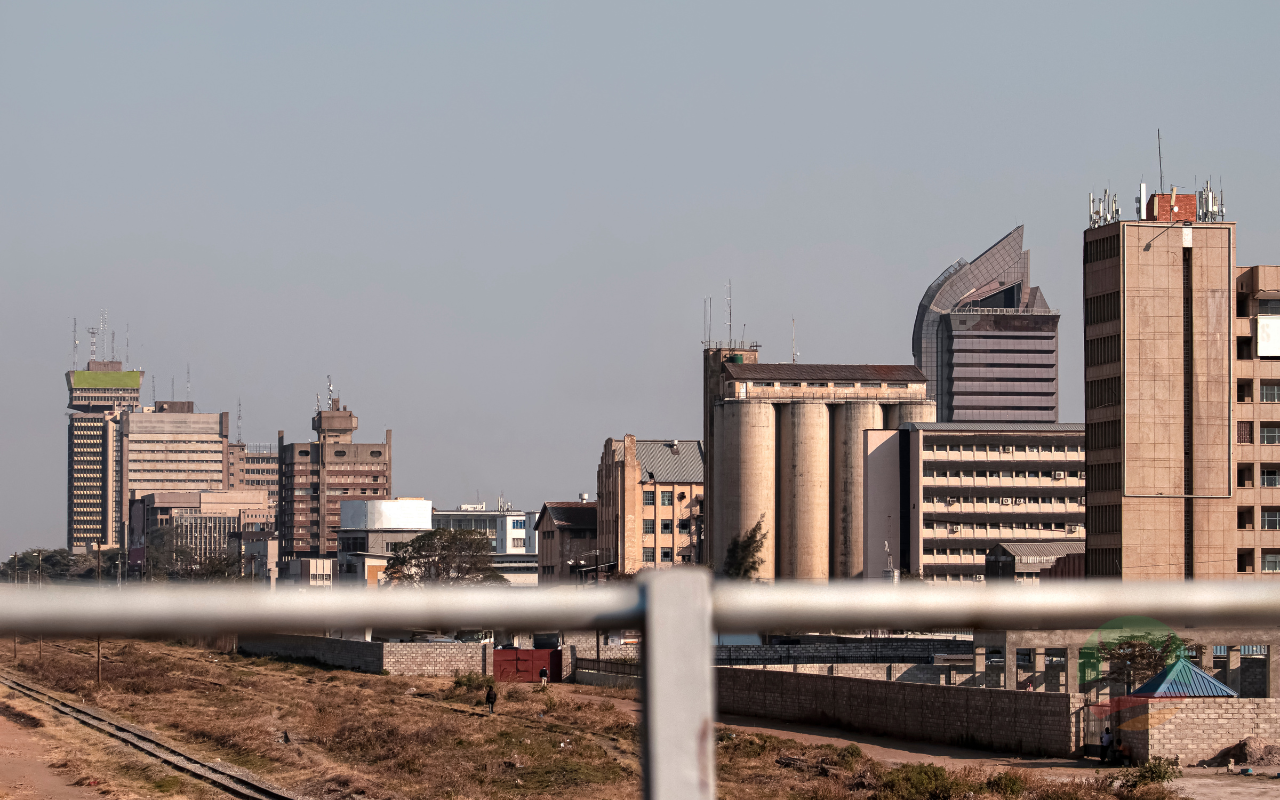
Photo: Frederic KöberlUnsplashUnsplash License
LUSAKA, 13 MAY 2026—Updated 8 Jul 2026
LUSAKA — Zambia's National Assembly has passed the Public Gatherings Bill, with government raising the threshold for required police notification from three persons to seven at Committee Stage. The amended law replaces the colonial-era Public Order Act and lands three months ahead of the August general election.
The Bill requires the organiser of a public gathering of seven or more people to notify the police at least five days before the event. Notice is not the same as permission: the authorised officer has three days to respond, and a non-response is deemed approval, according to Ambassador Munshya's reading of the text.
The original draft used a three-person threshold, prompting widespread opposition and a public framing of the law as worse than what it replaces. Kanchibiya PF MP Sunday Chanda confirmed the Committee Stage amendment from three to seven, and accused critics of "unnecessarily alarming the public" with misinformation about the lower threshold.
Critics: 'Public Order Act Pro Max'
Nkana Independent MP Binwell Mpundu opened the floor debate by calling the Bill the death of Zambian democracy.
Madam Speaker, this is a very sad day for Zambia, this is a sad day for our democracy. For me, this feels like performing the last rituals to bury our democracy. The levels of sincerity around the objectives of this proposed Bill are very concerning.
— Binwell Mpundu, Nkana Independent MP, in his floor debate
Mpundu argued the previous Public Order Act had a single problem — enforcement — and that the 1995 Christine Mulundika case had already settled the legal standard as notification, not permission. "This attempt, I thought, was meant to cure that problem, but this is where I have a problem," he said.
He flagged the campaign-period carve-outs as the sharpest concern. Under the Bill, the exemption that allows the President, Vice-President, Speaker, ministers, MPs, mayors and councillors to gather without notification "shall not apply during an election campaign and during an election". "What the Minister is saying is that during a campaign, if you want to have any gathering, you'll have to get a permit," Mpundu said.
Democratic Progressive Party president Antonio Mwanza, writing on Facebook, took aim at the original three-person threshold in vivid terms — three students at a bus stop, three unemployed youths complaining about jobs, three marketeers demanding better conditions — and warned of selective enforcement.
The biggest danger is selective enforcement. The law will not affect everyone equally. Cadres aligned to the ruling party will roam freely, while critics, activists, opposition members, students and ordinary frustrated citizens will be targeted, arrested and accused of unlawful assembly or violence under the Public Gatherings law.
— Antonio Mwanza, Democratic Progressive Party president
Lusaka lawyer Simon Mwila put the criticism most pithily, labelling the Bill "Public Order Act Pro Max" — worse than the law it replaces — and warning that "the laws you create today against your opponents may tomorrow be used against you".
Government defence: private gatherings untouched
Zambia's Ambassador to Angola, Dr Elias Munshya, defended the Bill in a detailed Facebook post setting out what the law does and does not cover.
You do not need police permission to meet your relatives at home. You do not need police permission to hold a funeral. You do not need police permission to hold a wedding. You do not need police permission to hold a traditional ceremony. You do NOT need police permission to hold an indoor church meeting. You do not need police permission to hold an indoor political party meeting to discuss party affairs. The law only applies to public gatherings in public places.
— Dr Elias Munshya, Zambia's Ambassador to Angola
Munshya emphasised that notice is not permission. "The authorised officer has only three days to respond. If they do not respond, your gathering is deemed approved," he wrote, calling the new framework "narrower and better targeted" than the colonial Public Order Act.
Background
The Public Order Act, repealed earlier in the parliamentary term, was a colonial-era statute used for decades to regulate — and, critics argued, restrict — public gatherings in Zambia. The 1995 Christine Mulundika constitutional case had established that organisers need only notify the police, not seek permission. Civil-society groups had campaigned for the Act's replacement for years, but a clear consensus on a successor framework had not emerged before this Bill was tabled.
Research on comparable legislation in Southern Africa shows that gathering-size thresholds — the line above which prior notification is required — are the most legally contested feature of such laws. Data from past election cycles in the region demonstrates that selective enforcement, rather than the letter of the law, drives most public-order disputes.
What to watch
The Bill now goes for presidential assent. The Law Association of Zambia has reportedly already urged President Hakainde Hichilema to withhold assent. Civil-society lawyers are expected to challenge specific clauses in the Constitutional Court if the law is enacted, particularly the campaign-period carve-out reversal. With the general election on 13 August, the operational test of the law comes within weeks if it enters into force before polling day.
Frequently Asked Questions
These are the questions readers have been asking since the Bill was passed. Short answers follow, drawn from the National Assembly record and the public Facebook posts of the lawmakers cited.
What is the Public Gatherings Bill?
In short, it is a bill passed by Zambia's National Assembly on 12 May 2026 to regulate public gatherings, replacing the colonial Public Order Act. The key is that the original draft set a three-person threshold, which was raised to seven at Committee Stage.
What is the new threshold and how does it work?
Simply put, public gatherings of seven or more in a public place require police notice at least five days ahead. According to MP Sunday Chanda, the threshold was raised from three to seven at Committee Stage to address public concern.
Does the law apply to private homes?
According to Ambassador Elias Munshya's public reading of the text, no. Research from his statement reveals that the law applies only to public places — roads, streets, markets, squares and buildings open to the public. Funerals, weddings, traditional ceremonies, indoor church and political-party meetings, and family gatherings at home are unaffected.
Who opposes the bill?
The answer is several voices: Binwell Mpundu (Nkana Independent MP), Antonio Mwanza (DPP president), Simon Mwila (Lusaka lawyer). Analysis of their objections shows they cluster around the same concern — selective enforcement against opposition voices during the campaign period.
What is notice versus permission?
In other words, notice is not permission. According to the text as Munshya describes it, the authorised officer has three days to respond to a notice; non-response is deemed approval. Evidence from the 1995 Christine Mulundika constitutional case established notification — not permission — as the constitutional standard under the old Public Order Act.
Sources
National Assembly of Zambia: order paper. Public Facebook statements from Antonio Mwanza, Simon Mwila, Sunday Chanda and Elias Munshya .
More on Politics

Hichilema wins Zambia's 2026 election for a second term
Zambia's Electoral Commission has declared Hakainde Hichilema president-elect for a second term with about 61 per cent of the vote, over Brian Mundubile's 38 per cent, as the opposition rejects the count.

Press freedom groups urge Zambia to keep the internet on
The Committee to Protect Journalists and the #KeepItOn Coalition urged Zambian authorities and telecoms operators to keep internet access open through the 13 August election, as Amnesty International called for a detained journalist's release.

The burial row that made the Zambian election a contest
Edgar Lungu died in June 2025 and was not buried for more than a year while his family and the Zambian state fought through the South African courts. The dispute shadowed the campaign and, the BBC reported, turned an expected walkover into a contest.
The Kwacha News briefing.
Business, markets and the Zambian economy — in your inbox.