

Zambia opens five-day presidential nomination window for August 13 polls
Aspirants begin filing at the Electoral Commission of Zambia today as the country enters the formal campaign period for general elections on 13 August.
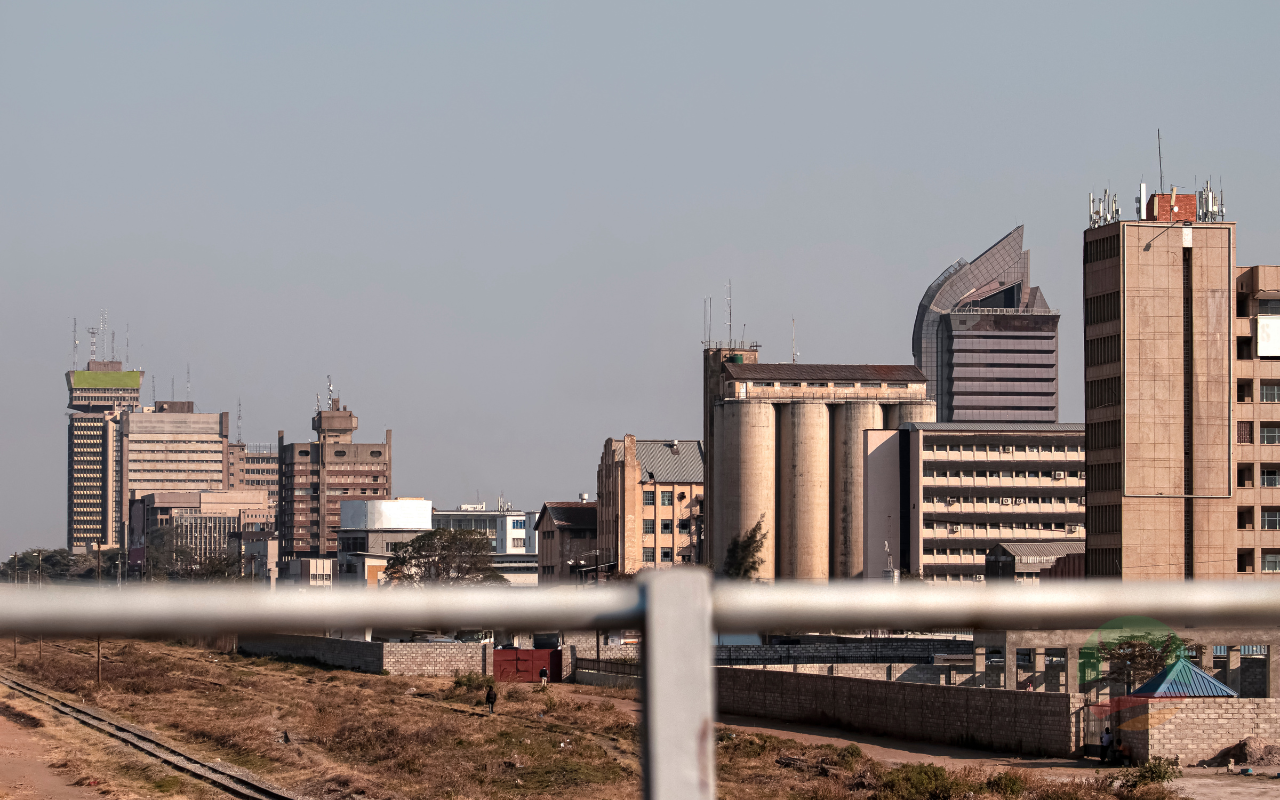
Photo: ZANISzanisGovernment of Zambia — editorial use
LUSAKA, 18 MAY 2026—Updated 8 Jul 2026
LUSAKA — The five-day presidential nomination window for Zambia's general elections is open today, the formal start of the campaign period for the polls on 13 August.
The filing exercise is the moment the contest stops being a count of who paid the fee and becomes a count of who will actually appear on the ballot. The Electoral Commission of Zambia (ECZ) runs it from 18 to 22 May at the Mulungushi International Conference Centre in Lusaka.
At least 25 presidential aspirants had paid the K100,000 nomination fee by early May, the commission said in its checklist of nomination documents published on 2 May. The number rose through the month as smaller parties firmed up alliances and independent contenders confirmed they would file. Not every aspirant who paid the fee will clear the filing day: each must produce signatures from at least 100 registered voters in each of the country's ten provinces, plus a tax clearance, an academic certificate and a sworn affidavit.
Provincial pre-processing of those supporter lists ran from 11 to 15 May, according to the schedule the commission published for the exercise. Aspirants whose supporter rolls failed verification at the provincial centres cannot lodge a valid presidential nomination this week.
Why this week matters
Filing days close two open questions about Zambia's 2026 ballot at once. The first is how many candidates will actually appear opposite incumbent President Hakainde Hichilema after weeks of alliance talks among the opposition. The second is whether the field that lodges this week will accept the rules of the contest, or whether the campaign period that begins on 18 May will be dominated by procedural disputes over who was allowed onto the ballot and who was not.
The 13 August polls are the country's eighth general elections since the return to multiparty politics in 1991 and the first to be held under the electoral roadmap the commission launched in September last year. The roadmap sets out the calendar for nominations, campaigning, polling and the announcement of results, and is the document any post-election petition will reference.
Hichilema's standing position on violence
President Hichilema's public position on the campaign was set out before the filing window opened. Addressing the Fifth Session of the Thirteenth National Assembly on national values and principles, the President urged political actors to uphold peace, tolerance and unity and warned that the rules of public conduct would apply equally to every party.
As citizens, we must reject all forms of violence. We must all say no to hate speech. We must abhor cyber crimes. We must reject divisive politics. These vices have absolutely no place in our society.
— President Hakainde Hichilema, address to the National Assembly, 20 February 2026
The President went further on the question of enforcement, telling the chamber there would be no exemptions for governing-party supporters. Under the United Party for National Development, he said, there is no room for political violence, no room for cadreism, and no room for lawlessness, adding that no one is above the law.
The standing position is the test. Opposition campaigns will read the next three months against the record set out in February and judge it on what happens at rallies, at police roadblocks, on social media and in the magistrates' courts that hear public-order cases.
What candidates must produce
The commission's checklist sets a tight bar. Beyond the K100,000 fee, presidential aspirants must table a completed nomination form, a sworn affidavit, certified copies of academic qualifications, a valid tax clearance from the Zambia Revenue Authority, photographs in the prescribed format and the supporter affidavits gathered in each of the ten provinces. Any missing document at the filing desk is grounds for the returning officer to reject the nomination.
The supporter-signature requirement is the one most often misunderstood. A candidate cannot front-load support from one or two strongholds and then make up the numbers elsewhere. The rule is at least 100 registered voters in each of the ten provinces, drawn from the voters' roll. A national footprint is a precondition for a place on the ballot, by design.
What to watch
Three signals will tell editors how the week has gone. First, the count: how many of the aspirants who paid the fee actually clear the supporter and document checks and stand at the close of filing on 22 May. Second, the conduct: whether the days produce the orderly procession of motorcades and party rallies the commission has asked for, or whether police are called to the Mulungushi venue. Third, the courts: any candidate the commission rejects has narrow windows in which to challenge that decision, and a flurry of petitions in the first week would tilt the campaign towards procedure for the rest of the calendar.
The 13 August date is fixed. The shape of the contest will be set by who walks out of the conference centre on Friday evening as a confirmed presidential candidate, and who does not.
Frequently Asked Questions
These are the questions readers have been asking since the Electoral Commission of Zambia confirmed the nomination dates. Short answers follow, drawn from the commission's own checklist and the electoral calendar.
What is the presidential nomination process in Zambia?
In short, the presidential nomination is the formal step at which aspirants file the documents that put their name on the ballot for the 13 August general elections. The answer, simply put, is that paying the K100,000 fee is not the same as nomination — the commission's data shows the fee is only the start. The key is that a candidate must produce a valid supporter list of at least 100 registered voters in each of the ten provinces, plus a tax clearance, academic certificates and an affidavit, at the filing desk.
How does the nomination week work?
The Electoral Commission of Zambia opens nominations on 18 May and closes them on 22 May at the Mulungushi International Conference Centre in Lusaka. Research from past Zambian elections shows that some aspirants file on day one and others wait until the close. Data from the commission's own pre-processing schedule reveals that provincial verification of supporter lists ran from 11 to 15 May, which means any candidate without a verified provincial pack is unlikely to clear the filing desk.
Why is this nomination week different from past Zambian polls?
Past nomination weeks produced single-digit final fields. According to the commission's most recent fee data, at least 25 aspirants had paid by early May, the largest pool in recent memory. The answer is that fee-paying is now a measure of intent rather than viability, and the filing desk is where the field actually narrows.
Who is the nomination process for?
The process is for any Zambian citizen who meets the constitutional threshold to stand for president and who can assemble the supporter list, fee and documents the commission requires. In other words, the rules reach every aspirant equally — incumbent, opposition, independent — while the supporter rule means a candidate needs a real national footprint, not just a strong base in one or two provinces.
What are the real risks of this nomination week?
Analysis of the 2026 calendar so far shows three durable risks: a flurry of court petitions if rejected aspirants challenge the returning officer's decisions, public-order incidents around the conference venue if rival party supporters gather, and confusion in the closing hours of filing if the commission tightens supporter-list checks. Evidence from past Zambian polls reveals each risk is procedural, not constitutional — the calendar can absorb each one without moving polling day, but each one shortens the time available for substantive campaigning.
Sources
Electoral Commission of Zambia: candidate nominations page; checklist of documents required for nominations, 2 May 2026; schedule of provincial pre-processing of presidential supporters, 11–15 May 2026; 2026 Elections Timetable (PDF). State House: President Hakainde Hichilema, address to the National Assembly, 20 February 2026.
More on Politics

Hichilema wins Zambia's 2026 election for a second term
Zambia's Electoral Commission has declared Hakainde Hichilema president-elect for a second term with about 61 per cent of the vote, over Brian Mundubile's 38 per cent, as the opposition rejects the count.

Press freedom groups urge Zambia to keep the internet on
The Committee to Protect Journalists and the #KeepItOn Coalition urged Zambian authorities and telecoms operators to keep internet access open through the 13 August election, as Amnesty International called for a detained journalist's release.
The Kwacha News briefing.
Business, markets and the Zambian economy — in your inbox.

