

Supp budget brought forward to beat Cabinet dissolution, Treasury says
Secretary to the Treasury Felix Nkulukusa says without an early K26.3 billion appropriation, wages, MPs and farmer payments would all stall until September.
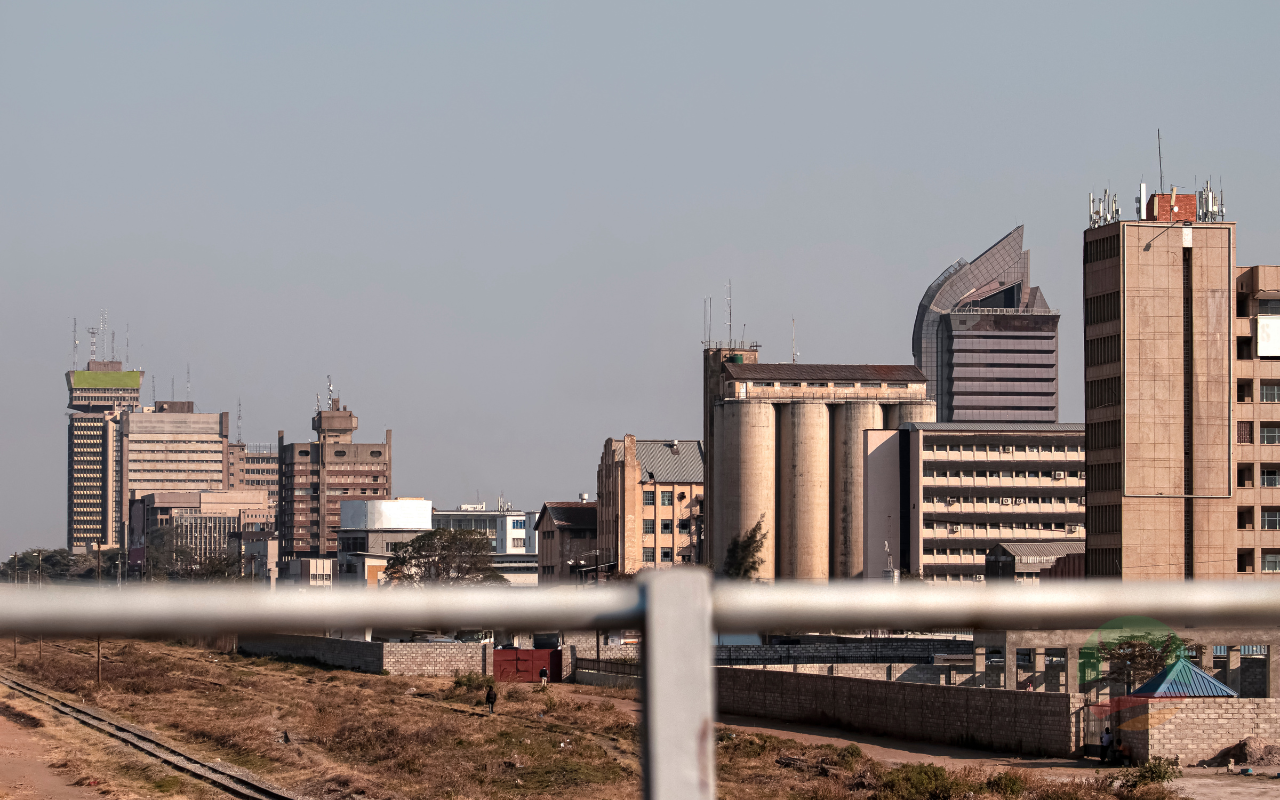
Photo: Stephanie DouglasPexelsPexels License
LUSAKA, 15 MAY 2026—Updated 20 Jun 2026
LUSAKA — Secretary to the Treasury Felix Nkulukusa says Zambia's K26.3 billion supplementary budget had to come this early in the year because Cabinet will dissolve in June ahead of the August election, leaving no body to approve a later submission and no funding line for wages, incoming MPs or farmer payments.
Nkulukusa, in comments earlier this week, was responding to concerns from economist Professor Lubinda Haabazoka that the supplementary had come too early in the year and that the headline figure was "huge".
The reason the supplementary budget has come too early in the year is because we won't have a Cabinet during the year. If we were going to have a Cabinet, then it would have probably come in June. So, the question we're asking is that, would we then have waited and not pay the farmers until after we have Cabinet in September? The new members of parliament are only coming in September but there won't be Parliament in June to approve that budget. Then how do we pay members of parliament when they're sworn in in August?
— Felix Nkulukusa, Secretary to the Treasury, in remarks earlier this week
Asked what specifically drove the supplementary, Nkulukusa pointed to three line items. "Economists should know that there were constitutional amendments after the actual budget was done, that's point number one," he said. "Point number two, there was a wage negotiation which came higher than the assumption in the actual budget and there we need to pay those salaries because the negotiations were made."
"The third one is the payment to the farmers," he continued. "After we already did the budget in 2024, there was an outcry from the farmers and then the government gave a policy [direction] to buy more maize than what was provided for in the budget and those are the major movers."
Background
Zambia's main budget cycle runs to the calendar year, with the appropriation tabled in September and passed before year-end. Supplementary budgets traditionally come mid-year and address shortfalls or unanticipated commitments. The 2026 supplementary has come earlier than usual.
Research on Zambia's election-cycle fiscal patterns shows that wage costs typically spike around new parliamentary intakes, particularly when the constitutional amendment cycle adds seats or expands allowances. Data from the IMF this week shows the wider fiscal picture has deteriorated: the primary surplus, projected at 3.8% of GDP at the Sixth Review of the previous ECF, is now expected at 1.1% — a reflection of weaker tax collection, election-cycle spending pressures, the civil-service wage adjustment, and agricultural-subsidy overruns of about 1.3% of GDP. The Food Reserve Agency is separately flagged by the Fund as a source of significant fiscal risk requiring mitigating measures.
What to watch
Two near-term tests. First, whether the IMF flags the supplementary in its successor-ECF programme assessment — the timing is unusual enough to attract scrutiny even if the line items are defensible. Second, whether the Ministry of Finance publishes the line-item breakdown of the K26.3 billion before the National Assembly votes on it. Without that, debate has to take the three-driver characterisation on trust.
Frequently Asked Questions
These are the questions readers have been asking since the report. Short answers follow, drawn from parliamentary public records.
What is the supplementary budget?
In short, it is an additional K26.3 billion appropriation tabled by the Ministry of Finance and National Planning. The key is that it covers items the original 2026 budget did not anticipate.
Why has it come early in the year?
Simply put, Cabinet will dissolve in June ahead of the August election and there will be no body to approve a later submission. According to Nkulukusa, without the early supplementary the government would fail to meet wage obligations and could not pay incoming MPs sworn in in August.
What specifically does the supplementary cover?
The answer is three drivers: a constitutional-amendment-related wage line for additional MPs, a wage negotiation outcome higher than the budget assumption, and a policy direction to buy more maize from farmers than originally budgeted. Data on the precise split between the three has not been publicly released.
Who criticised the timing?
economist Professor Lubinda Haabazoka questioned why the supplementary had come so early and called the K26.3 billion figure huge. Research from public-finance commentators shows mid-year supplementaries are not unusual; an early-year one is.
How does this interact with the IMF programme?
In other words, supplementary budgets are scrutinised by the IMF for consistency with debt-sustainability targets. Evidence from the Fund's own statement this week reveals that the 2026 primary surplus has been revised down to 1.1% of GDP, from 3.8% at the Sixth Review — the supplementary is part of that downward revision.
Sources
IMF: staff statement on the successor ECF, 15 May 2026. National Assembly of Zambia: order paper.
More on Politics

Hichilema wins Zambia's 2026 election for a second term
Zambia's Electoral Commission has declared Hakainde Hichilema president-elect for a second term with about 61 per cent of the vote, over Brian Mundubile's 38 per cent, as the opposition rejects the count.

Press freedom groups urge Zambia to keep the internet on
The Committee to Protect Journalists and the #KeepItOn Coalition urged Zambian authorities and telecoms operators to keep internet access open through the 13 August election, as Amnesty International called for a detained journalist's release.
The Kwacha News briefing.
Business, markets and the Zambian economy — in your inbox.

