

Copper in volumes, returns in question: Zambia’s mining bet
Zambia is handing out mining rights at pace and chasing three million tonnes. The quieter shift is how the state makes sure the country actually banks the boom.
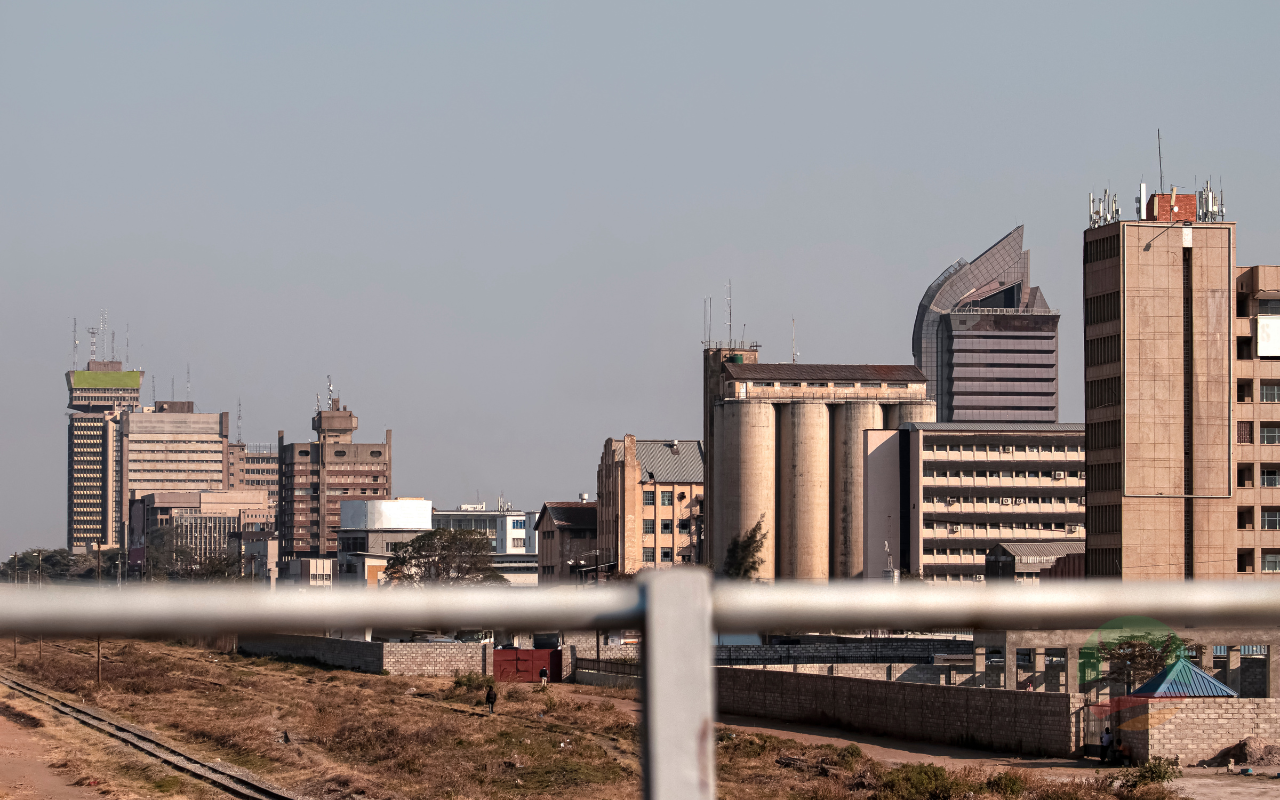
Photo: Per Arne WilsonWikimedia CommonsCC BY-SA 3.0
LUSAKA, 22 JULY 2026—Updated 22 Jul 2026
Analysis
LUSAKA — Zambia is issuing mining rights by the thousand and chasing a three-million-tonne copper dream, but the harder question is how much of the boom the country actually keeps.
The read here: output and licences are the easy part of the story. The part that decides whether ordinary Zambians see the upside is ownership — how big a share of each mine the state holds, and whether it is paid in dividends that can vanish in a bad year or royalties that arrive whatever the profit. On that quieter question, the government’s investment arm has been rewriting the terms.
The shift from dividends to royalties
ZCCM Investments Holdings (ZCCM-IH), the state mining-investment company, is deliberately moving away from dividends towards royalties for steadier income, its chief executive Kakenenwa Muyangwa told Reuters in May. The logic is simple: dividends depend on a mine declaring a profit, and can fall to nothing, while a royalty is a slice of revenue that is paid whether the mine is profitable or not.
The numbers make the case. A 3.1%-of-revenue royalty on First Quantum’s Kansanshi mine has delivered about US$110 million since 2022 — through years in which the mine paid no dividend at all. ZCCM-IH is also lifting its equity: its stake in Lubambe is rising to 30% from 20%, and in KoBold Metals’ Mingomba project to 25% from 20%, while it holds 20% of Kansanshi. Where the state holds the mining permit, it is entitled to a free-carried interest of between 5% and 15%.
Being a significant minority gives you more say and leverage.
— Kakenenwa Muyangwa, ZCCM-IH chief executive, via <a href="https://www.kitco.com/news/off-the-wire/2026-05-15/zambia-state-investment-firm-keen-boost-stakes-mines-ceo-says">Reuters, 15 May 2026</a>
The numbers
Zambia mined a record 890,346 tonnes of copper in 2025 and targets more than one million tonnes in 2026, and three million by the early 2030s. ZCCM-IH is shifting from dividends to royalties — a 3.1% royalty on Kansanshi has paid about US$110 million since 2022 — and lifting stakes in Lubambe (to 30%) and Mingomba (to 25%).
Why it matters
Zambia mined a record 890,346 tonnes of copper in 2025, up about 8% on the year, and the Ministry of Mines and Minerals Development is targeting more than one million tonnes in 2026. Mines Minister Paul Kabuswe has framed the licensing drive as reviving a sector that stagnated for years. Kwacha News has set out the market backdrop in its analysis of the copper deficit Zambia is banking on, and covered the push for better-governed mining beyond copper.
What this means: volume alone does not fill the treasury. The Kansanshi example — royalties flowing while dividends dried up — is the argument for the whole strategy. By taking royalties and bigger minority stakes, and doing so, in Muyangwa’s words, “on commercial terms and not through forced sales,” the state is trying to convert a mining boom into a predictable public income rather than a bet on any one company’s profits.
The risks are real. Bigger stakes mean bigger calls on scarce public capital, and a royalty-heavy model still rides the copper price. But the design answers the oldest complaint about Zambian mining: that the metal leaves and the money does not follow.
Background
Zambia is Africa’s second-largest copper producer, and copper is the anchor of its exports and its budget. Research into the sector shows the country has long struggled to translate high output into stable revenue, partly because tax and dividend flows swing with global prices and company accounting. ZCCM-IH, majority state-owned, is the vehicle through which the government holds its mining stakes, and its pivot to royalties and free-carried interests is the clearest sign yet of how Lusaka wants the next copper cycle to pay.
What to watch
The signals to watch are ZCCM-IH’s next stake purchases, the run-rate against the one-million-tonne target, and whether the royalty income holds up as new mines come online. For readers, the test is simple: does a record production year show up as record public revenue. This story is part of Kwacha News’s business and economy coverage.
Frequently Asked Questions
These are the questions readers have been asking about Zambia’s mining terms. Short answers follow, drawn from Reuters reporting and official figures.
What is ZCCM-IH doing differently?
In short, ZCCM-IH is shifting from dividends towards royalties and larger minority stakes in mines. The answer, simply put, is that royalties are paid on revenue regardless of profit, so the state’s income is steadier. The key is predictability rather than a bigger headline share.
How does a royalty differ from a dividend?
Research into the arrangement shows a royalty is a fixed share of a mine’s revenue, while a dividend is a share of its profit. Data from Kansanshi reveals the difference in practice: a 3.1% royalty paid about US$110 million since 2022, even in years the mine paid no dividend. According to ZCCM-IH, that stability is the whole point.
Why is this important for Zambia?
The answer is that copper is Zambia’s largest export and the budget’s anchor, so how the state is paid decides how much the country keeps. Evidence from past cycles shows dividend income can collapse when prices or profits fall. In other words, the model is meant to make a mining boom pay reliably.
Who owns Zambia’s mines?
Simply put, ownership is shared between private operators and the state through ZCCM-IH. According to Reuters, the state company holds 20% of Kansanshi and is raising its stakes in Lubambe and Mingomba. The data shows it also takes a free-carried interest of 5% to 15% where it holds the permit.
What are the risks to the strategy?
Analysis of the approach reveals two durable risks. The first is capital: research shows bigger stakes demand public money the treasury is short of. The second is price: evidence from the sector shows royalties still rise and fall with the copper market. Each risk is structural, not a one-off.
Sources
Reuters (via Kitco): Zambia state investment firm keen to boost stakes in mines, 15 May 2026. Reuters (via CNBC Africa): same report. Bloomberg: Zambia restates copper ambition after record output, 27 January 2026.
More on Business & Economy

Guinea bans raw gold exports as Africa pushes local refining
Guinea has banned raw gold exports and now demands local refining, African Business reported. For Zambia, whose copper still leaves largely unprocessed, the move sharpens a long-running question about where the value is captured.

Zambia cuts fuel prices again as shop prices stay high
Zambia's Energy Regulation Board cut pump prices for a third straight month in August 2026, but transport fares and food prices remain high and non-food inflation is rising.
The Kwacha News briefing.
Business, markets and the Zambian economy — in your inbox.

