

Zambia signs school feeding pact with Food 4 Education
A technical-support deal with one of Africa's best-known school-meals operators is a bet that a fed child is a child who stays, and learns, in school.
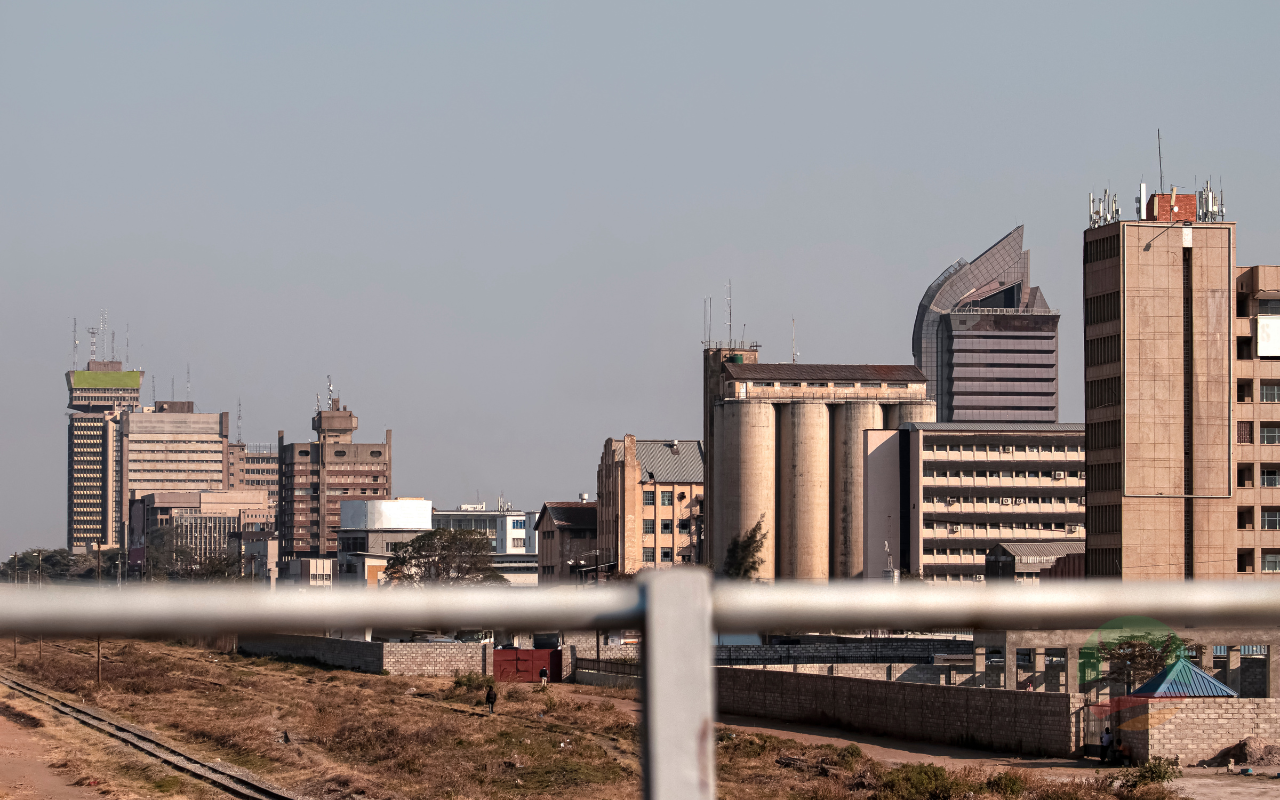
Photo: ZANISzanisGovernment of Zambia — editorial use
LUSAKA, 30 JUNE 2026—Updated 30 Jun 2026
LUSAKA — Zambia's school feeding programme is getting technical support from Food 4 Education, after the Ministry of Education signed a memorandum of understanding with the Kenyan group.
A school meal is one of the cheapest tools in development. It pulls hungry children into the classroom, keeps them there, and lifts the odds they can concentrate once they arrive. By bringing in an operator that has scaled school meals across Kenya, the Ministry of Education is trying to make Zambia's own programme reach further and run better — turning a feeding scheme into an education strategy.
The deal in brief: The Ministry of Education has signed a memorandum of understanding with Food 4 Education, a Kenyan school-meals organisation, to provide technical support and strengthen Zambia's national school feeding programme. The pact focuses on know-how — systems, logistics and technology — rather than on replacing the government's own scheme.
The Ministry of Education said the memorandum is aimed at providing technical support towards strengthening the school feeding programme, drawing on Food 4 Education's experience in running large-scale, technology-enabled meal services. The pact is about transferring know-how — how to source food efficiently, track meals and reach more schools — into Zambia's existing programme rather than building a parallel one.
Food 4 Education, founded by the Kenyan social entrepreneur Wawira Njiru, has built its reputation on delivering subsidised school meals at scale, using digital payment and logistics tools to keep costs low and coverage wide. That operational model — not charity hand-outs but a run-it-like-a-business approach to feeding children — is what the Ministry of Education is buying into with the partnership.
The deal speaks to a live debate about how Zambia invests in education. Kwacha News has covered the political argument over a free-education pledge, and school feeding sits squarely inside it: a place at school means little to a child too hungry to learn. The memorandum also follows a familiar route for the government, which has used similar agreements — such as a recent road-safety memorandum with the youth ministry — to bring outside expertise into public programmes.
The memorandum of understanding is aimed at providing technical support towards strengthening the school feeding programme so that more learners benefit and stay in school.
— Ministry of Education, <a href="https://www.moe.gov.zm/">statement on the Food 4 Education partnership</a>
Why school feeding pays off
Evidence on school meals is among the strongest in development economics. Research shows feeding programmes raise enrolment and attendance, narrow the gap between boys and girls, and improve the nutrition that underpins learning — all for a modest cost per child. For families stretched thin, a guaranteed meal at school is also a quiet form of income support, freeing household money for other needs. The return, the data suggests, shows up in classrooms and in the wider economy years later.
The local stakes are concrete. A working feeding programme means a child in a rural district eats a hot meal that may be the most reliable of the day, and a smallholder nearby may gain a buyer if the food is locally sourced. That double dividend — nutrition for pupils, a market for farmers — is why school feeding is a recurring thread in Kwacha News's local coverage of how services actually reach communities.
Background
Zambia runs a national school feeding programme through the Ministry of Education, providing meals in selected districts, often using locally procured food to support nearby farmers. Food 4 Education is a Kenyan organisation that has grown into one of Africa's most prominent school-meals operators, known for a technology-driven model that subsidises meals and tracks delivery at scale. The memorandum brings that operator's methods alongside Zambia's existing scheme. Zambia's programme has long leaned on a mix of government funding and donor support, and stretching it to reach every district has been a persistent challenge. Bringing in an experienced operator is meant to squeeze more coverage from the same money.
What to watch
Watch whether the technical support translates into more schools fed and fewer gaps in supply, and whether the local-sourcing model expands so the money stays in Zambian farming communities. Watch, too, the funding: a memorandum sets the intent, but a feeding programme lives or dies on a reliable budget line. The real measure is the number of children eating, and staying in school, a year from now.
Sources
Ministry of Education: official communications on the school feeding partnership. Food 4 Education: organisation profile and model.
Frequently Asked Questions
These are the questions readers have been asking since the Ministry of Education announced the partnership. Short answers follow, drawn from the ministry's statement and the public record on school feeding.
What did Zambia and Food 4 Education agree?
In short, a technical-support partnership. The answer, simply put, is that the Ministry of Education signed a memorandum of understanding with Food 4 Education to strengthen Zambia's school feeding programme. The data shows the focus is on know-how and systems, not on replacing the government's scheme.
Who is Food 4 Education?
The key is scale and technology. According to its public profile, Food 4 Education is a Kenyan organisation, founded by Wawira Njiru, that delivers subsidised school meals using digital payment and logistics tools. Evidence of its model is its growth into one of Africa's largest school-meals operators.
Why does school feeding matter?
The answer is enrolment and learning. Research shows school meals raise attendance, improve nutrition and help keep girls in class, all at low cost per child. Evidence from across Africa points to feeding programmes as one of the most reliable returns in education spending.
How does Zambia's programme work?
In other words, through the Ministry of Education. The data shows Zambia provides meals in selected districts, often using locally procured food so that nearby farmers gain a market. The Food 4 Education partnership is meant to make that system reach further.
What will determine if it works?
Analysis of school-feeding schemes shows success rests on steady funding, reliable supply and local sourcing. Evidence suggests a memorandum is only a start — the outcome is measured in children fed and retained in school, term after term.
More on Local

Great East Road to be widened into a dual carriageway
President Hakainde Hichilema pledged to widen the Great East Road into a dual carriageway and build the Chipata-Lundazi road, alongside a 100MW solar project and hospital upgrades in Eastern Province.

Lusaka widens Twin Palm Road into a dual carriageway
The Lusaka City Council says work to widen Twin Palm Road from a single into a dual carriageway is progressing and due for completion in September 2026, part of a 40.17km, K1.8 billion township roads programme funded by the Ministry of Local Government and Rural Development.
The Kwacha News briefing.
Business, markets and the Zambian economy — in your inbox.

