

RTSA, Youth Ministry MOU to license young riders
The Road Transport and Safety Agency and the Ministry of Youth, Sport and Arts have agreed to license young motorcyclists and teach road safety as part of a youth-empowerment drive.
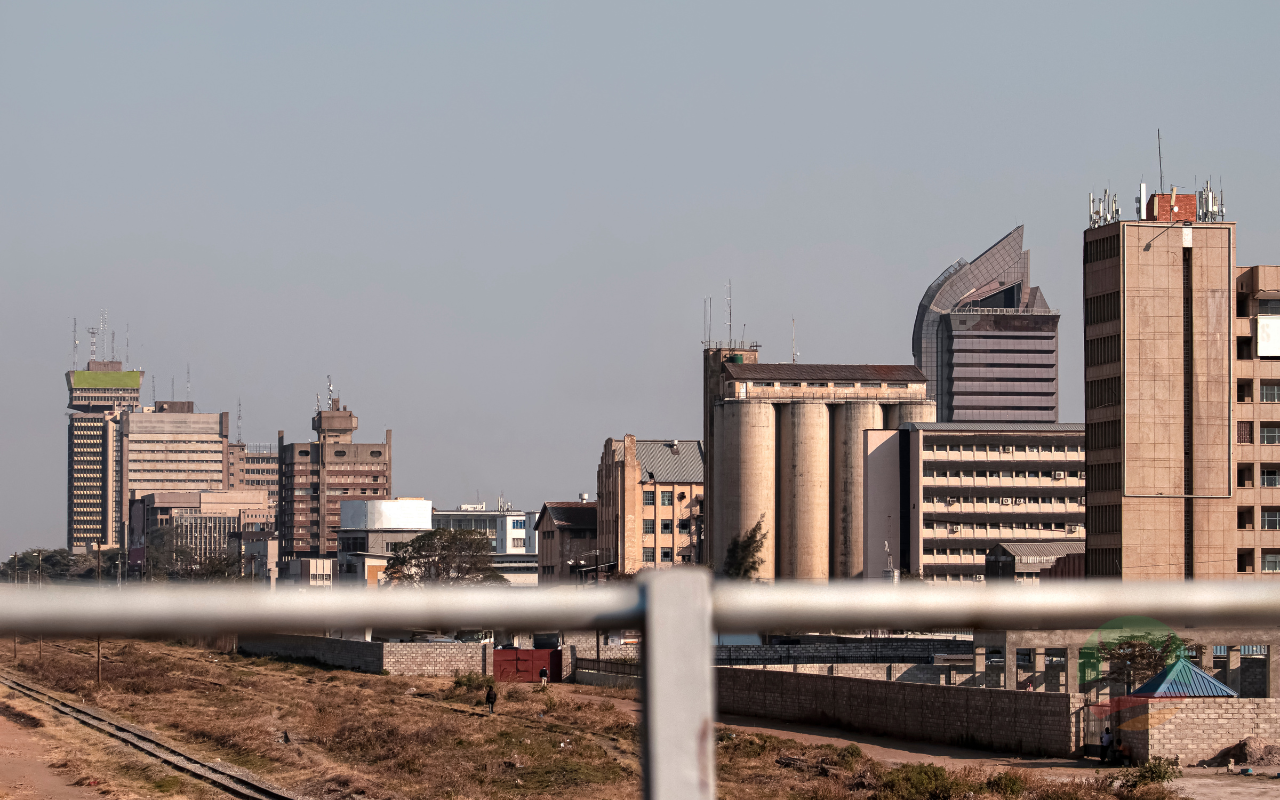
Photo: OmarUnsplashUnsplash License
LUSAKA, 22 JUNE 2026—Updated 22 Jun 2026
LUSAKA — The Road Transport and Safety Agency and the Ministry of Youth, Sport and Arts have signed a memorandum that is meant to license young riders and curb unregistered motorcycles.
The deal sits at the centre of Zambia’s road-safety problem, where the World Health Organization estimates more than 3,000 deaths a year, and it ties rider licensing to a youth-jobs agenda that the government has made a campaign priority. This story is part of Kwacha News’s continuing local coverage, tracking how policy turns into service delivery on the ground.
The Ministry of Youth, Sport and Arts signed the memorandum of understanding with the Road Transport and Safety Agency (RTSA) to expand opportunities for young people in the transport sector through skills development, road-safety training and entrepreneurship programmes, according to the Zambia News and Information Services (ZANIS).
The agreement was signed by Ministry of Youth, Sport and Arts Permanent Secretary Kangwa Chileshe and RTSA Chief Executive Officer Amon Mweemba, in a partnership ZANIS reported on 16 June 2026.
Under the partnership, the Ministry coordinates planning, training, certification and monitoring, while RTSA provides technical expertise in driver training, licensing, vehicle inspection and road-safety standards. The agreement aims to curb the growing trend of unregistered motorcycles across the country.
Motorcycles and the three-wheeled machines that carry passengers in many towns have become a visible part of Zambia’s informal transport economy. Bringing those bikes into a licensing and inspection regime is the practical edge of the deal: a rider with a valid licence and a registered machine is easier to insure, easier to trace after a crash and harder to push out of business by a roadblock.
The motorcycle drive lands alongside other service-delivery efforts Kwacha News has followed, from the slow progress on the Mongu Tapo-Lulambo feeder road to the upgrade of Lusaka’s Chunga and Ngwerere sewage works. Each effort tests whether a signed plan reaches the people the plan names.
Educate young people on road safety, ensure they obtain valid rider licenses and equip them with knowledge of traffic regulations.
— Amon Mweemba, Chief Executive Officer, Road Transport and Safety Agency (<a href="https://www.zanis.gov.zm/?p=4674">ZANIS, 16 June 2026</a>)
Snapshot: The Ministry of Youth, Sport and Arts and the Road Transport and Safety Agency signed a memorandum of understanding on 16 June 2026 to train young people in road safety, secure valid rider licences and build entrepreneurship skills, while curbing unregistered motorcycles. The Ministry coordinates training and monitoring; RTSA supplies licensing, inspection and road-safety expertise. The backdrop is a road-safety burden the WHO estimates at 3,338 deaths in 2021, against a national target to cut casualties by 30% by 2026.
Background
The scale of the problem is set out in the WHO Global Status Report on Road Safety 2023, which estimates Zambia recorded 3,338 road traffic deaths in 2021, with a 95% confidence interval of 2,811 to 3,866. That is a rate of 17.1 deaths per 100,000 people, well above the 2,163 fatalities the country itself reported for the year.
The same WHO profile counts 899,186 registered vehicles in Zambia in 2021, of which 3,287 were powered two- and three-wheelers. A national motorcycle helmet law is in place, but the estimated helmet-wearing rate stood at 50% for drivers and 48% for passengers, leaving roughly half of riders and pillion passengers unprotected.
Zambia’s national road-safety strategy carries a target to cut both fatal and non-fatal casualties by 30% by 2026, the WHO report notes, even though the country adheres to none of the seven United Nations road-safety conventions. The MOU on licensing and rider training is one lever the authorities can pull towards that target.
For Zambian households, the stakes are immediate. A road death or a serious injury strips a family of an earner and adds medical and funeral costs in kwacha that few budgets carry. A registered, insured rider is also a safer livelihood: the same machine that earns a young person an income can sink the family if a crash leaves no licence, no cover and no recourse.
For young Zambians weighing the informal transport trade, the agreement frames a motorcycle as a small business rather than a stop-gap. RTSA-issued licences, vehicle inspection and entrepreneurship training are pitched as a path to legitimate work in a year when youth jobs sit near the centre of the national political debate.
What to watch
The first marker is delivery: how many young riders the Ministry and RTSA actually license and certify, and whether the training reaches towns where unregistered motorcycles have multiplied fastest. A memorandum sets intent; enrolment numbers will show whether it moves.
The second marker is the data. Zambia’s 30% casualty-reduction target runs to 2026, so the next WHO road-safety update and RTSA’s own registration figures will reveal whether helmet use rises above the 50% mark and whether the count of registered two- and three-wheelers climbs as unregistered machines are brought into the system.
A third marker is the gap between the books and the road. The WHO put Zambia’s 2021 toll at 3,338 deaths while the country reported 2,163 — a difference that suggests many crashes never reach the official record. Whether the licensing drive narrows that gap, by registering riders and the machines they ride, will be one early test of whether the agreement changes the numbers or only the paperwork.
Frequently Asked Questions
These are the questions readers have been asking about the RTSA and Youth Ministry agreement. Short answers follow, drawn from the ZANIS report on the signing and the WHO road-safety data for Zambia.
What is the RTSA and Youth Ministry MOU about?
In short, the two signed a memorandum of understanding to train young people in road safety, rider licensing and entrepreneurship, and to curb unregistered motorcycles. According to ZANIS, the Ministry coordinates training and monitoring while RTSA provides licensing, inspection and road-safety expertise.
Who is signing the deal, and what does it commit them to?
The answer is that Ministry of Youth, Sport and Arts Permanent Secretary Kangwa Chileshe signed for the Ministry and RTSA Chief Executive Officer Amon Mweemba signed for the agency, on 16 June 2026. The evidence shows it commits the Ministry to coordinate training and certification and RTSA to handle licensing, inspection and road-safety standards.
How does the deal address Zambia’s road-safety record?
Simply put, the record is severe. WHO data shows Zambia recorded an estimated 3,338 road traffic deaths in 2021, a rate of 17.1 per 100,000 people, far above the 2,163 fatalities the country reported. The research reveals a gap the licensing drive aims to narrow.
Which riders and vehicles does the agreement target?
The key is exposure. WHO analysis shows Zambia had 3,287 registered powered two- and three-wheelers in 2021, with helmet-wearing estimated at 50% for drivers and 48% for passengers despite a national helmet law. Unregistered machines sit outside that count, which is what the agreement seeks to change.
What does the partnership mean for young Zambians?
In other words, it offers a route from informal riding to certified, licensed work. The evidence in the agreement points to skills, licences and entrepreneurship support, which the government frames as both a safety measure and a youth-jobs initiative ahead of a closely watched election year.
Sources
Primary report: ZANIS — Ministry of Youth, Sport and Arts and RTSA sign MOU (16 June 2026). Road-safety data: WHO Global Status Report on Road Safety 2023 — Zambia country profile. Ongoing updates: ZANIS news feed (RSS).
More on Local

Great East Road to be widened into a dual carriageway
President Hakainde Hichilema pledged to widen the Great East Road into a dual carriageway and build the Chipata-Lundazi road, alongside a 100MW solar project and hospital upgrades in Eastern Province.

Lusaka widens Twin Palm Road into a dual carriageway
The Lusaka City Council says work to widen Twin Palm Road from a single into a dual carriageway is progressing and due for completion in September 2026, part of a 40.17km, K1.8 billion township roads programme funded by the Ministry of Local Government and Rural Development.
The Kwacha News briefing.
Business, markets and the Zambian economy — in your inbox.

