

Chikote bids farewell: 'Zambia is destined to become a regional energy hub'
Departing Energy Minister Makozo Chikote says the UPND has set a target of universal — or near-universal — electricity access and points to Middle East tensions as the live risk for the team he leaves behind.
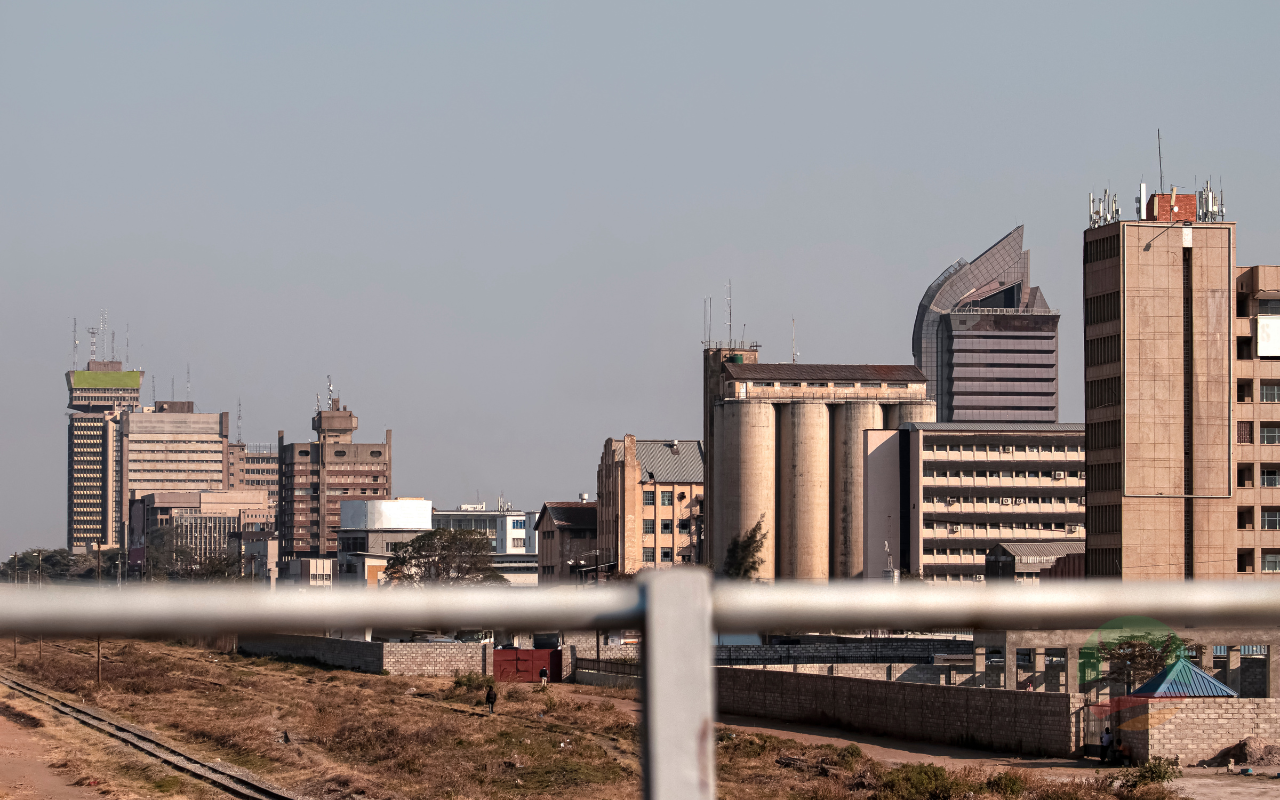
Photo: Tigana chilesheWikimedia CommonsCC BY-SA 4.0
LUSAKA, 15 MAY 2026—Updated 8 Jul 2026
LUSAKA — Outgoing Energy Minister Makozo Chikote says Zambia is "destined to become a major energy hub in the region" and that the team he leaves behind has strategies to handle petroleum-supply disruption from Middle East geopolitical tensions, in a farewell media briefing earlier this week.
Chikote is leaving cabinet to seek a fresh parliamentary mandate ahead of the 13 August general election. He said the UPND's vision goes beyond ending load shedding to transforming the country into a regional energy hub, and pointed to a target of "universal electricity supply, if not by 100 percent then close to that".
The new dawn administration has laid a strong foundation that will define the future of the energy sector. Our vision goes beyond just ending loadshedding to the transformation of the country into an energy hub. I want to believe that the future of our energy sector is brighter than ever before.
— Makozo Chikote, outgoing Minister of Energy, in his farewell media briefing
The minister linked the hub ambition to Zambia's geographic position. "Taking advantage of our location, we want to take that opportunity to make our country a regional energy hub," he said.
On the petroleum risk, Chikote was direct about the route exposure.
All of us are aware of what is happening in the Middle East, and that is where our petroleum products come from, and that is the route that we use to bring our products into the country. Let me assure Zambians that as Parliament is dissolving, I am leaving behind a team that I believe in, and from the provision of my leadership, this team will not disappoint the Zambians because I know them and their capacity.
— Makozo Chikote
Chikote framed his departure as a three-month political-leadership gap rather than a substantive policy reset. "It is just political leadership that will be away for three months because I am very confident that you Zambians will give us a fresh mandate," he said. "This team has already put in place strategies on how to navigate challenges arising from geopolitical tensions in the Middle East."
He thanked the Energy Regulation Board, the Zambia Revenue Authority, the Rural Electrification Authority and the general public for the support rendered during his service.
Background
Zambia's energy sector has been buffeted in the past two years by the country's worst drought in decades, which sharply cut hydroelectric generation from the Kariba dam and triggered prolonged load shedding. Data from ZESCO showed peak rationing exceeded 17 hours a day at the worst point. The UPND government's response combined emergency power imports, accelerated solar procurement and a tariff review.
On petroleum, the immediate risk is the TAZAMA pipeline running from Tanzania's Dar es Salaam port to Indeni Petroleum Refinery near Ndola — separately the subject of an IMF call this week to restore the open-access framework Zambia suspended in response to the Middle East conflict. Research from the African Development Bank highlights cross-border interconnection on the Southern African Power Pool as the cheapest near-term route to firmer electricity supply.
What to watch
The next milestone is the supplementary budget — separately — which will signal whether the energy sector retains its current allocations through the election cycle. Beyond that, the incoming minister, whoever the UPND or the next government names after 13 August, inherits the unfinished work of converting Chikote's "hub" ambition into committed projects.
Frequently Asked Questions
These are the questions readers have been asking since the farewell briefing. Short answers follow, drawn from public ZESCO data.
Who is Makozo Chikote?
In short, Chikote is Zambia's outgoing Minister of Energy under the UPND administration. The key is that he is stepping down to seek re-election ahead of the August vote.
What did he say in his farewell briefing?
Simply put, Chikote said the UPND had laid a strong foundation in the energy sector and that the team he was leaving behind would not disappoint. According to him, the vision is universal electricity access and turning Zambia into a regional energy hub.
What is the UPND's stated electricity-access target?
According to Chikote, the goal is "universal electricity supply, if not by 100 percent then close to that". Research from public ZESCO data shows current household-electrification rates are far below that bar, particularly in rural areas — which is where the Rural Electrification Authority's mandate sits.
Why did he flag the Middle East?
Analysis of Zambia's import routes shows petroleum products move through Middle East-adjacent supply chains. Chikote said his team had "already put in place strategies on how to navigate challenges arising from geopolitical tensions in the Middle East".
Why is he leaving now?
In other words, ministerial-cabinet convention in Zambia requires sitting ministers seeking re-election to vacate their cabinet roles ahead of polling day. Evidence from past cycles shows the practice is consistent.
Sources
Public ZESCO load-shedding schedules and Rural Electrification Authority data.
More on Politics

Hichilema wins Zambia's 2026 election for a second term
Zambia's Electoral Commission has declared Hakainde Hichilema president-elect for a second term with about 61 per cent of the vote, over Brian Mundubile's 38 per cent, as the opposition rejects the count.

Press freedom groups urge Zambia to keep the internet on
The Committee to Protect Journalists and the #KeepItOn Coalition urged Zambian authorities and telecoms operators to keep internet access open through the 13 August election, as Amnesty International called for a detained journalist's release.
The Kwacha News briefing.
Business, markets and the Zambian economy — in your inbox.

