

Kansanshi spent $21m on local suppliers in Q1, names contract renewals
First Quantum's Solwezi copper operation processed 13,400 RFQs and renewed contracts with Cable Network Solutions, Blue Lithium Communications and Chesterfields among others, citing compliance with SI 68 of 2022.
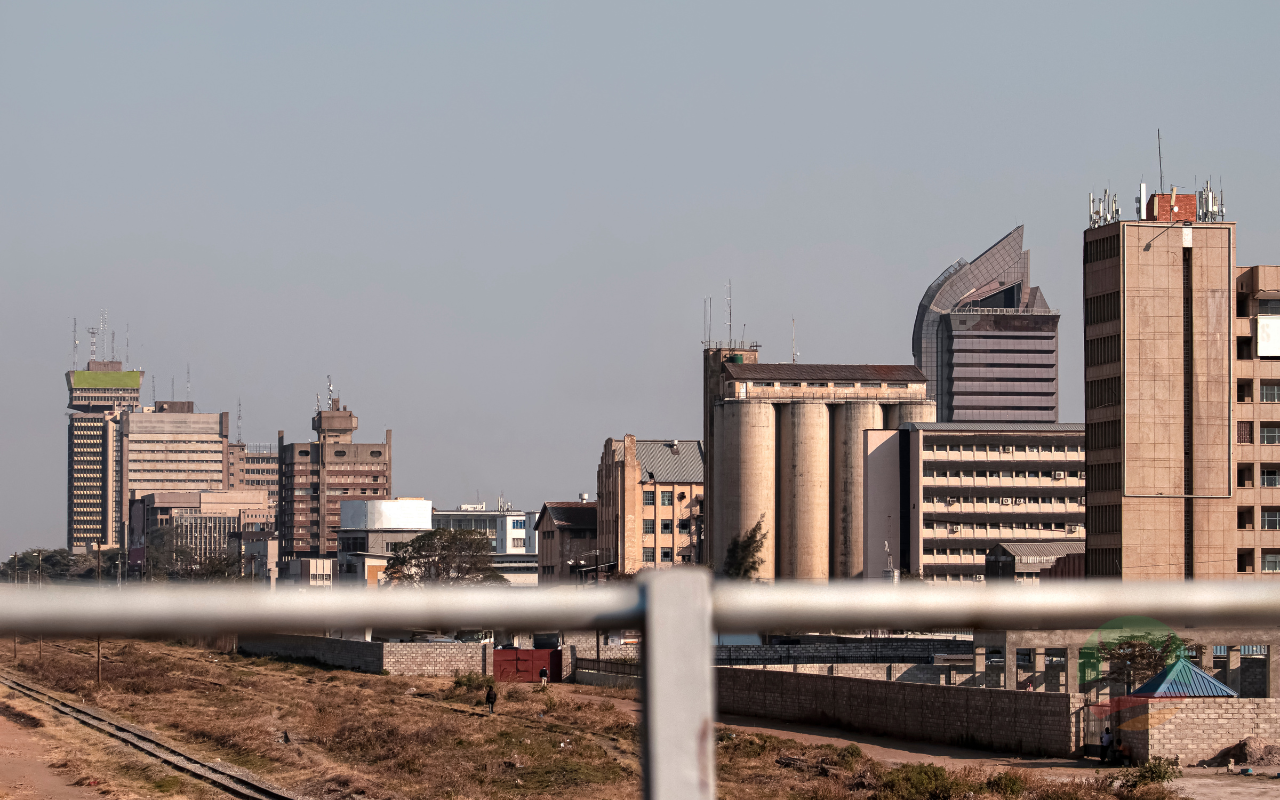
Photo: Gansham RamchandaniPexelsPexels License
SOLWEZI, 14 MAY 2026—Updated 8 Jul 2026
SOLWEZI — Kansanshi Mining PLC spent about US$21 million on local procurement during the first quarter of 2026, drawing supply from 553 local companies and processing more than 13,400 quotation requests, the mine has disclosed.
The figures, were given by Senior Contracts Officer Haggai Simbaya during a procurement and local-content presentation to the North-Western Chamber of Commerce in Solwezi. A statement from Corporate Affairs Specialist Clinton Masumba confirmed the headline numbers and named several of the renewed local contracts.
Beyond the headline procurement spend, Kansanshi processed approximately 22,300 Purchase Orders and handled nearly 10,000 procurement line items during the quarter, the statement says.
Our focus is to ensure that local businesses benefit meaningfully from mining activities through increased participation, predictable procurement systems, and deliberate supplier development initiatives. We are building a procurement framework that supports transparency, fairness, competitiveness, and long-term sustainability for local companies.
— Haggai Simbaya, Senior Contracts Officer, Kansanshi Mining PLC, in a statement from the company
Simbaya said all Q1 procurement initiatives were aligned with Statutory Instrument 68 of 2022, the regulatory framework for local-content implementation in Zambia's mining sector. The mine renewed more than 10 contracts with established local suppliers, naming Cable Network Solutions, Blue Lithium Communications and Chesterfields.
"Stable business relationships allow suppliers to plan confidently, strengthen operations, and improve service delivery standards," Simbaya said of the renewals, framing contract continuity as protecting jobs and enabling reinvestment in operational capacity.
Three supplier-development tools went live in Q1
Kansanshi launched an Expression of Interest (EOI) Portal during the quarter, allowing suppliers to register interest before formal tenders are issued. Simbaya said the portal had "improved transparency and reduced information gaps by giving suppliers early visibility of upcoming procurement opportunities".
The mine also established a Commercial Local Content Office at Kansanshi Foundation. The office operates every Tuesday and Thursday and provides guidance on tender requirements, procurement procedures and compliance matters.
Third, Kansanshi conducted a five-day Tendering and Bidding Workshop for 62 local suppliers during the quarter. The training programme focused on SI 68 compliance, tender preparation and competitive bidding strategies.
Background
Kansanshi, operated by Kansanshi Mining PLC and majority-owned by Canadian-listed First Quantum Minerals, is among Zambia's largest copper mines. The operation sits near Solwezi in North-Western Province and historically anchors the regional supplier base, supporting hundreds of SMEs in equipment maintenance, logistics and consumables.
Research from the Zambia Chamber of Mines shows local procurement is one of the largest single channels through which mining capital expenditure reaches the domestic economy. Data from successive industry reports demonstrates that supplier-development programmes — quality certification, capacity building, payment-terms accommodation — convert procurement spend into durable business growth.
What to watch
Two near-term tests. First, whether the EOI Portal and Commercial Local Content Office translate into measurably higher new-supplier participation by H1 2026. Second, whether other Copperbelt and North-Western operators publish comparable quarterly local-content data — currently the sector reports unevenly, which makes industry-wide comparison difficult.
Frequently Asked Questions
These are the questions readers have been asking since the procurement briefing. Short answers follow, drawn from the Kansanshi corporate statement and public North-Western Chamber of Commerce minutes.
How much did Kansanshi spend on local suppliers?
In short, US$21 million in Q1 2026 across 553 local companies. The key is that the figure is for a single mine, not the wider mining sector.
How many transactions did that cover?
Simply put, more than 13,400 RFQs and 22,300 Purchase Orders across nearly 10,000 procurement line items. According to Simbaya, the RFQ-to-PO ratio is a useful diagnostic for supplier breadth.
Which contracts were renewed?
The answer is more than 10 local supplier contracts, including Cable Network Solutions, Blue Lithium Communications and Chesterfields. Data from the procurement department shows the renewals span communications, network infrastructure and general services.
What is Statutory Instrument 68 of 2022?
According to the Zambian mining regulatory framework, SI 68 of 2022 governs local-content implementation in the sector. Research on regulatory compliance shows that named SI references (rather than generic local-content language) are an indicator of operational rigour at the operator level.
What new supplier-development tools did the mine launch?
In other words, three: an Expression of Interest Portal, a Commercial Local Content Office at Kansanshi Foundation (Tuesdays and Thursdays), and a five-day Tendering and Bidding Workshop for 62 suppliers. Analysis of supplier-readiness programmes shows training depth matters more than reach for SI 68 compliance.
Sources
North-Western Chamber of Commerce: procurement and local-content presentation. Kansanshi Mining PLC: Corporate Affairs statement.
More on Markets

Zambia's inflation holds at 6.5% for a second month
Annual inflation stayed at 6.5% in July 2026, ZamStats said. Food inflation eased to 6.4% while non-food rose to 6.7%, holding the headline rate inside the central bank's target band.

Bank of Zambia cuts kwacha reserve ratio to 21%
The Bank of Zambia cut the statutory reserve ratio on kwacha deposits to 21% from 26%, freeing about K5 in every K100 of deposits for lending. The ratio on foreign-currency deposits stays at 36%.

El Niño returns: a double risk to Zambia’s copper and maize
A powerful El Niño is forming in the Pacific: good for the copper price Zambia’s budget leans on, bad for the rains its maize and hydropower depend on. It points both ways at once.
The Kwacha News briefing.
Business, markets and the Zambian economy — in your inbox.