

Zambia activates Ebola response centres after DRC toll rises
With deaths in eastern Congo rising and the WHO warning of faster spread, Zambia has stood up its Ebola response centres. The border, the copper corridor and preparedness all come into focus.
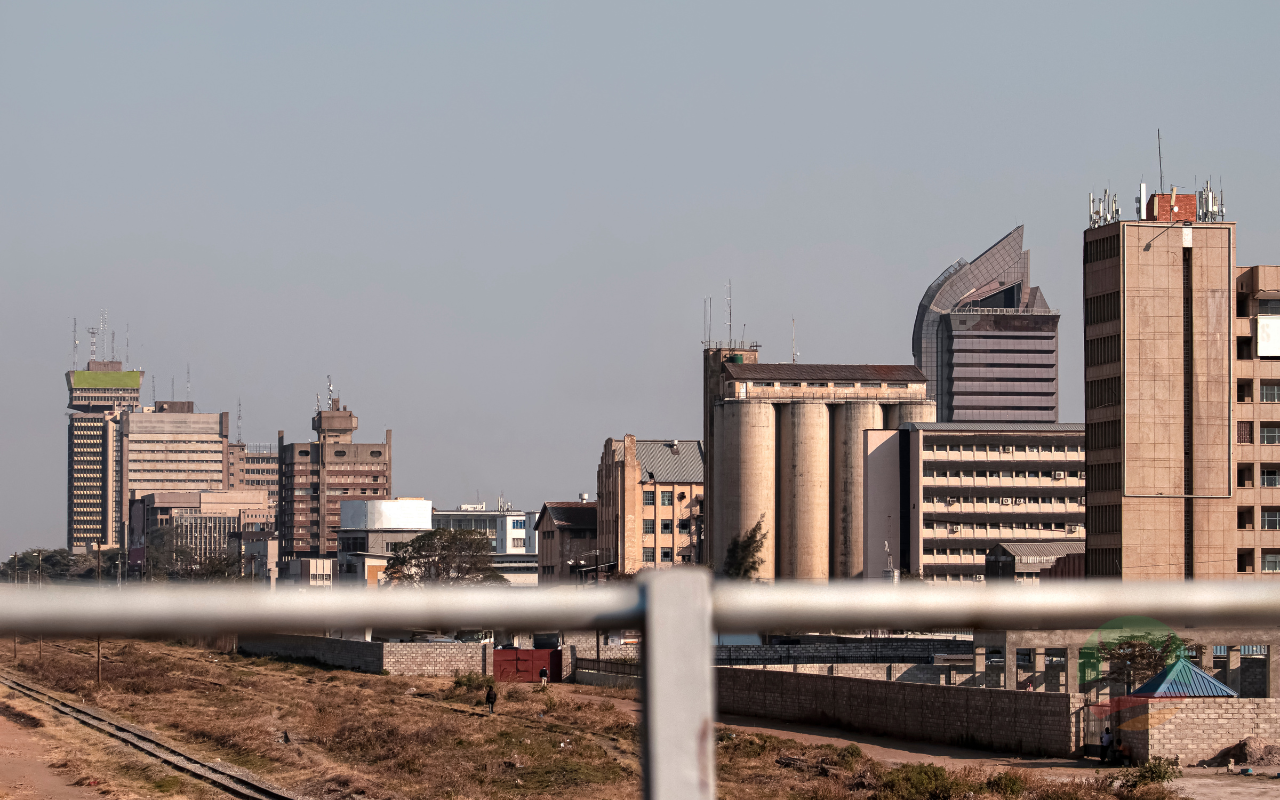
Photo: PiotrMigwikidataCC BY-SA 4.0
LUSAKA, 20 MAY 2026—Updated 21 Jun 2026
LUSAKA — Activation of the country's Ebola response centres is the step Zambia has taken as the DRC outbreak worsens and the WHO warns of faster spread.
Deaths in eastern Congo have risen, with Daily Maverick reporting the toll at 131 and a WHO doctor warning via the BBC that the virus may be spreading faster than first thought. Zambia does not border the affected Ituri region, but cross-border traffic through the copper corridor makes preparedness — not panic — the correct posture. The read here is that activation is a precautionary, proportionate move consistent with the global health emergency the WHO has already declared.
What activation means
Standing up response centres puts the public-health system on an operational footing. The data shows it typically involves three things: screening at points of entry, readying isolation and treatment capacity at designated facilities, and activating the surveillance and contact-tracing teams that detect and contain a case before it becomes a cluster. Activation is a posture, not a declaration that the virus is in the country.
Zambia has run this playbook before. Research from prior regional outbreaks — Ebola in the DRC, Marburg scares, the cholera response — shows the country has a functioning emergency-operations structure under the public-health authorities. The analysis is that early activation is cheaper and more effective than a reactive scramble, because the screening and surveillance systems take time to spin up to full capacity.
The Ebola outbreak may be spreading faster than first thought, a WHO doctor has warned, voicing deep concern as the death toll rises.
— World Health Organization, reported via BBC News, 19 May 2026
Why the copper corridor matters
Zambia and the DRC are joined at the hip economically. The copper corridor — the road and rail network moving copper and cobalt out of the Congolese and Zambian mining belts — carries heavy cross-border trucking through the Copperbelt and North-Western Province. The data shows thousands of vehicles and people cross the major posts weekly, which is the realistic transmission vector to plan around.
Analysis of regional disease spread demonstrates that formal border posts are where screening can work, but informal crossings are the harder problem. Evidence from prior outbreaks shows the most effective response combines point-of-entry screening with community surveillance in border districts, because a determined virus does not only travel through the official gate.
What response-centre activation involves
Screening: temperature and symptom checks at points of entry · Isolation: readied treatment and quarantine capacity · Surveillance: contact-tracing and detection teams on standby · Coordination: emergency-operations structure under public-health authorities · Posture: precaution, not confirmation of a case in-country
Where this fits the regional picture
The activation follows the WHO declaring the DRC and Uganda Bundibugyo Ebola situation a public health emergency of international concern, which Kwacha News reported earlier this month. The data shows that declaration triggers a tiered regional response — neighbouring and at-risk countries step up surveillance even without a confirmed domestic case. Zambia's move is part of that tiered response.
Research from public-health bodies shows the economic logic of early action is strong. The analysis demonstrates that a contained scare costs a fraction of an actual outbreak, both in lives and in the trade disruption that a border closure would impose on the copper corridor. Preparedness, in other words, protects the economy as much as public health.
Frequently Asked Questions
These are the questions Zambian readers have been asking about the Ebola response activation. Short answers follow, drawn from WHO statements, wire reporting and public-health practice.
What does activating response centres mean?
In short, it puts the public-health system on an operational footing. The answer is that it involves point-of-entry screening, readied isolation capacity and active surveillance teams. The key is that activation is a precaution, not confirmation that the virus is in Zambia.
How worried should Zambians be?
Simply put, the correct posture is preparedness, not panic. Research from prior outbreaks shows early activation contains risk effectively. The data shows Zambia does not border the affected Ituri region, though the copper corridor is the realistic vector to manage.
Why does the copper corridor matter?
The answer is cross-border traffic. In other words, thousands of vehicles and people move between Zambia and the DRC weekly through the mining belts. Evidence from regional disease spread demonstrates that combining border screening with community surveillance is the most effective response.
Who leads Zambia's response?
The key is the public-health authorities. According to standard practice, the Ministry of Health and the national public-health institute run the emergency-operations structure. Research from prior outbreaks shows this structure has been used for Ebola scares, cholera and other regional threats.
How does this connect to the WHO emergency?
Analysis shows the activation follows the WHO declaring the DRC and Uganda Bundibugyo Ebola situation a public health emergency of international concern. Evidence demonstrates that declaration triggers a tiered regional response in which at-risk neighbours step up surveillance.
What to watch
Two signals. The first is the DRC case and death trajectory — if the WHO's faster-spread warning is borne out, the regional response tightens further. The second is whether Zambia escalates from screening to enhanced measures at the major copper-corridor border posts, which would be the marker of a more serious posture.
Sources
Daily Maverick: Ebola deaths in eastern Congo rise to 131. BBC News: Ebola outbreak may be spreading faster than first thought, WHO doctor warns. World Health Organization. Kwacha News earlier coverage: WHO declares Bundibugyo Ebola a global health emergency.
More on Africa/World

TAZARA at 50: Zambia weighs two routes to the sea
As TAZARA turns 50, landlocked Zambia is weighing two rival routes for its copper: east to the Indian Ocean via a rebuilt TAZARA, or west to the Atlantic via the Lobito Corridor.

African leaders back trade insurer ATIDI after record year
African leaders endorsed ATIDI — the pan-African insurer Zambia belongs to — as a cornerstone of a new African-led financial architecture, as the body marked 25 years with record 2025 results and a call to recapitalise it to US$2 billion.
The Kwacha News briefing.
Business, markets and the Zambian economy — in your inbox.
